
REVIEW · MONS & TOURNAI
Mons : The Van Gogh House
Vincent van Gogh did not start as Vincent van Gogh. This stop in Mons helps you see the earlier years, when he was still finding his way in the Borinage. I like that it is built around the actual place where he lived and worked from 1879 to 1880, not just a museum set dressing.
Two things I really like: first, the garden-to-house flow that lets the story build step by step. Second, the way the experience points you to his working-class and rural references from the Borinage, the themes that keep showing up later in his life and art.
One thing to consider: it is a small site. If you expect a big, guide-led museum with lots of room-by-room commentary, you may find the visit a bit short or information-light.
In This Review
- Key Points Worth Marking On Your Map
- Why Cuesmes Makes Van Gogh Feel Human
- Entering Through The Garden: Start With The Atmosphere
- Renovated Pavilion: Where You Get The Setup For What You See
- The Small House: Looking Closely At A Life In Limited Space
- The Audio Installation: The Best Part For Context
- Price And Value For A Van Gogh Stop That Does Not Try To Be Everything
- What You Should Actually Plan For A 1-Day Visit
- Getting The Most Out Of The Route Without Rushing
- Accessibility And Languages: Know What You Can Expect
- Should You Book The Van Gogh House In Mons?
- FAQ
- Where is the Van Gogh House in Mons located?
- How much does the ticket cost?
- How long should I plan for?
- Is a guided tour included?
- What is included in the ticket?
- What languages are available on site?
- Is the site wheelchair accessible?
- How do I get my ticket?
- Can I cancel or change plans?
- How do I get there?
Key Points Worth Marking On Your Map
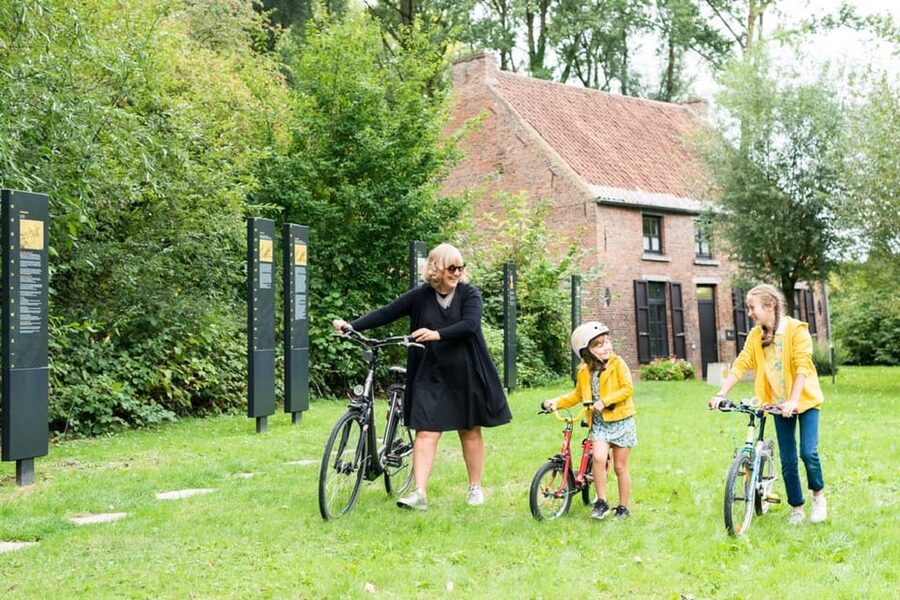
- A true Van Gogh address: Cuesmes, Mons, tied to his 1879 to 1880 stay and work.
- Borinage atmosphere: the exhibition focuses on the working life and countryside feel that shaped him.
- Renovated pavilion route: you move from outdoor garden space into a modernized indoor setting.
- Small house layout: the on-site rooms are limited, so go in ready to slow down and look closely.
- Audio finish with context: the visit ends by placing Van Gogh and his work in the Borinage timeline.
Mons, Tournai and western Wallonia
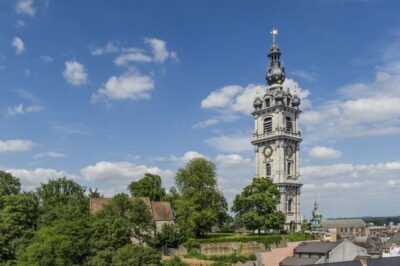
- Mons : The Belfry★ 3.6 · 17 reviews
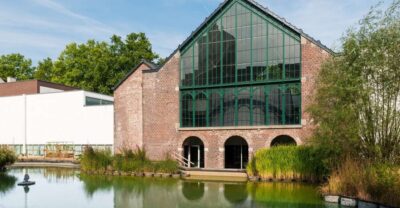
- Mons : the Mons Memorial Museum★ 3.9 · 7 reviews
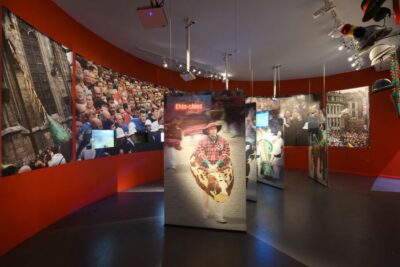
- Mons : The Doudou Museum★ 4.2 · 5 reviews
Why Cuesmes Makes Van Gogh Feel Human
Most Van Gogh visits focus on famous masterpieces and a highlight reel. This one does something different. You come to Cuesmes, a small part of the Mons region in Wallonia, and you get the sense of a young artist in the middle of figuring things out.
The site is framed around his Borinage period, when a preacher turned toward art. That shift matters because it changes how you read his paintings. You stop seeing a distant genius and start noticing a person reacting to real conditions, real people, and real streets.
I also appreciate the clarity of the concept: early influences before the worldwide fame. The museum route is built to help you understand what he was looking at and learning before his name became global.
Entering Through The Garden: Start With The Atmosphere
Your visit begins at the entrance in the garden. It is not just a waiting area, it feels like the first chapter. I like this approach because it sets the mood early, before you move into the indoor spaces.
From there, you continue into a renovated pavilion. The transition is important for your brain. Outdoor scenes prime you for what the Borinage meant, and then the indoor spaces shift you into interpretation.
If you are the type who always tries to rush, slow down here. The garden start makes the later house rooms more meaningful, because you already feel connected to the setting.
Renovated Pavilion: Where You Get The Setup For What You See
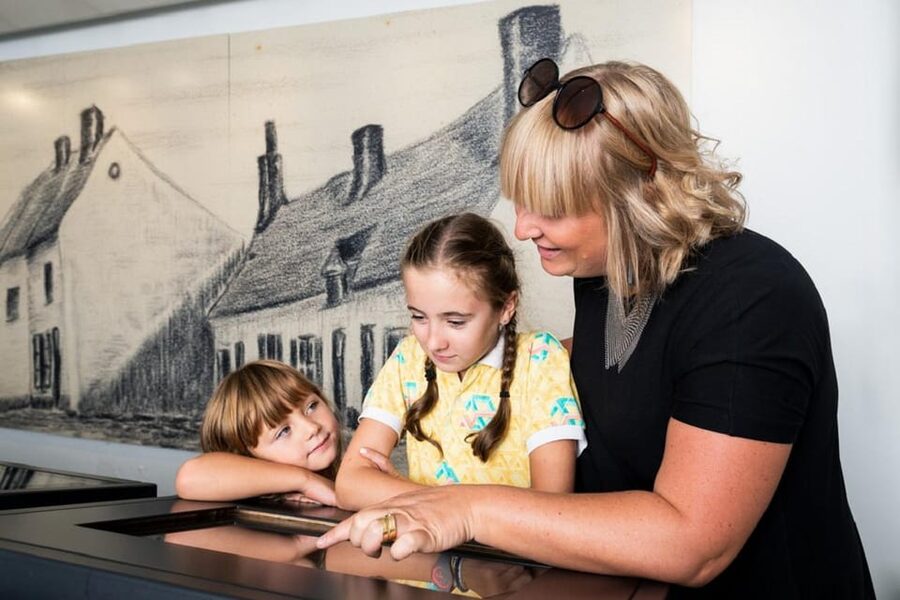
The pavilion is the bridge between atmosphere and explanation. It is renovated, and the experience leans on a new scenography to bring a place of remembrance to life.
This is where you should expect the heavier storytelling. One review mentions a film element, and that is consistent with how these types of exhibitions often work. If films tend to run long for you, plan for that. You can still enjoy it, but treat it like a session, not a quick stop.
A big plus here is that the museum does not pretend you already know Van Gogh. It guides you toward the painter’s early artistic influences and the specific feel of the Borinage, including the working-class references tied to that region. That is the value of this pavilion moment: it gives you a lens.
The Small House: Looking Closely At A Life In Limited Space
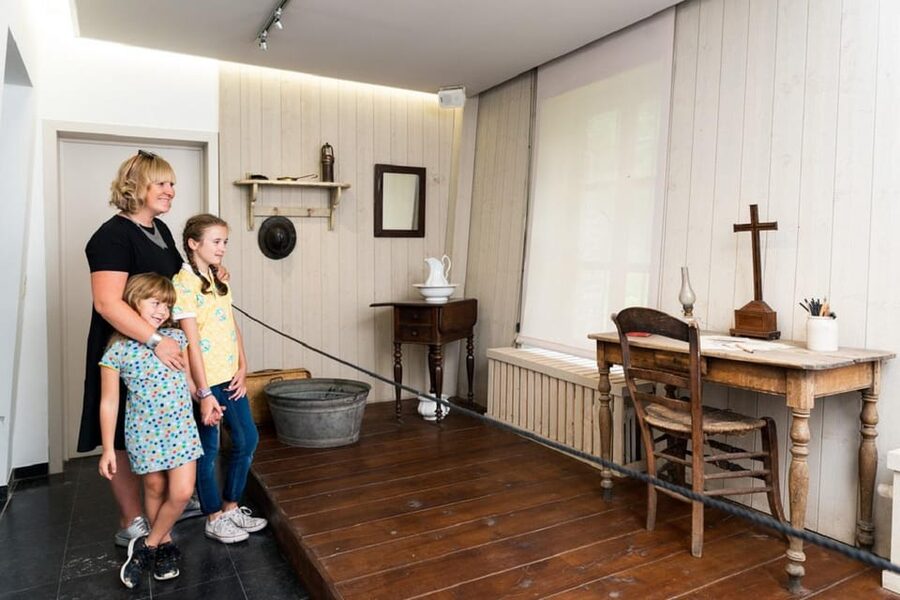
After the pavilion, you move into the house. Expect a smaller, modernized version of the home setting, rather than a huge preserved mansion. This is a key point for setting expectations.
The experience takes you through the house in a way that lets the spirit of the famous inhabitant come forward. Even if the rooms are compact, you can still do something useful as a visitor: you can pay attention to how people historically lived and worked in a tight footprint, and how Van Gogh’s early time was likely lived in the same kind of scale.
Here is the balanced take from my perspective as you plan: the site is intimate. That is great if you want a quiet, close-to-the-source feeling. It is less great if you hoped for tons of printed information on every wall.
One visitor summary you might relate to is the complaint that the house feels restrictive and there is not a lot of information. If that will annoy you, go in with the mindset that the museum experience is more about mood and guided interpretation through exhibits and audio, not a dense reference library.
The Audio Installation: The Best Part For Context
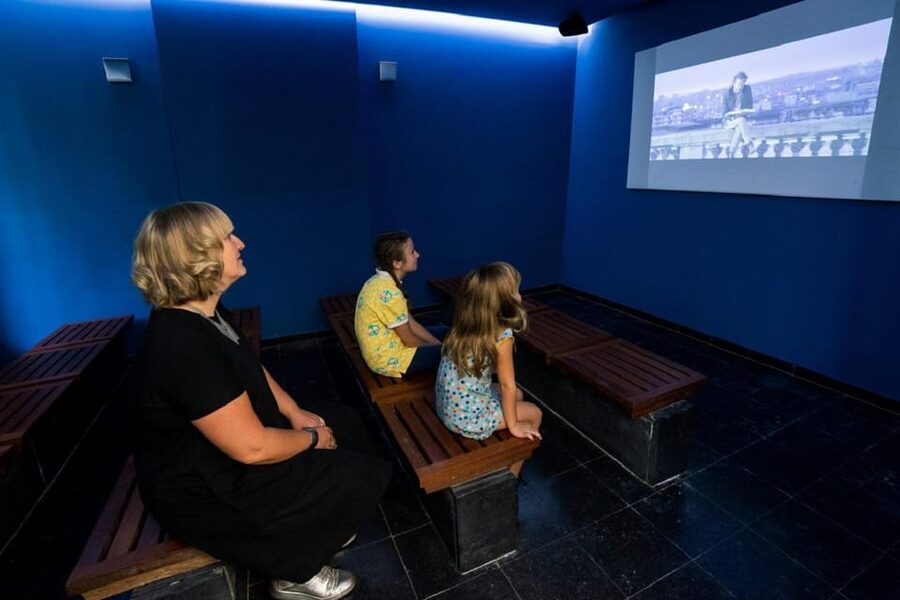
The tour finishes with an audio installation. This is where the museum places Van Gogh and his work into the historical context of the Borinage.
I like ending with audio rather than with another room of visuals, because audio can tie together what you just saw: the setting, the social conditions, and the turning point in his life. It helps you make the connection between place and art, which is what you actually want out of a stop like this.
Also, audio installations tend to reward attention. If you wander through like you are trying to check boxes, you will miss the payoff. Give the last part your full attention and you will likely feel the visit click.
Price And Value For A Van Gogh Stop That Does Not Try To Be Everything
At about $5 per person, this is a bargain in the world of Van Gogh experiences. You are not paying for a long, guided, transportation-heavy day. You are paying for entry to a focused site.
That matters because it sets the tone. The visit is designed as a self-guided experience, meaning you do not automatically get a guided tour included. In return, you get a structured route: garden entrance, pavilion, small house, and an audio finale.
So the value is not just the price. It is the shape of the experience. You are paying for a clear concept, and for access to a real location tied to his early years.
There is one practical trade-off. Without a full guided tour, you may want to read any signage carefully and take your time with the audio. If you love asking questions and getting answers on the spot, you might find yourself craving more live interpretation. On the other hand, if you enjoy moving at your own pace, you will probably appreciate the freedom.
What You Should Actually Plan For A 1-Day Visit
This is listed as a 1-day experience with starting times you should check. That means the schedule is real, and your best bet is to show up at your chosen time slot.
Do not ignore the simple instructions: you need to present your entry ticket at the museum reception. You also receive your ticket by email, so save it on your phone and keep an offline backup if you can.
Also plan for the site access. You can reach it by your own transport or by public transport, but you should check bus timetables in advance. That is especially important in smaller towns where service might not run as frequently as you expect.
A small planning note based on real-world friction: one visitor had trouble finding their tickets using the company’s tool and spent about 45 minutes stuck at the entrance. They still managed to get in using the same tickets, but the lesson is clear. If you are booking digitally, double-check that you have the email ticket in hand before you arrive.
Getting The Most Out Of The Route Without Rushing
Since there is no guided tour included, your success here depends on how you move through the story beats.
My practical advice:
- Start in the garden and let the mood set your expectations for the house.
- Take the pavilion seriously. That is where you get the framing about early influences.
- In the house, slow down. Small space, better looking.
- Save your energy for the audio installation at the end, because that is where the context lands.
If you are visiting with kids or students, this kind of site can work well because the setting is tangible and the story is built into the experience. One review praised a very available, clear staff member who was patient with students, which suggests you can get help if you need it at the reception stage.
Accessibility And Languages: Know What You Can Expect
The site is wheelchair accessible, which is a big plus. If you use a wheelchair, plan to check your route in advance and arrive early enough to settle in.
Languages listed are Dutch, English, and French. If you are choosing between languages, pick the one you can follow most comfortably while walking and listening. For audio installations, clarity matters more than you think.
Should You Book The Van Gogh House In Mons?
Book it if you want a Van Gogh experience that focuses on the early years in the Borinage. The price is low, the structure is clear, and the garden-to-house route plus audio context gives you a meaningful way to understand his turning point.
Skip it or think twice if you need a large, information-heavy museum with a lot of guide-led explanation. The house is small, and some visitors feel there are not many details on site. If you strongly prefer long, interactive storytelling, a self-guided visit may not hit your ideal format.
My final take: this is excellent value for anyone who wants to connect Van Gogh’s art to the place where his life changed direction. If you go with realistic expectations and you pay attention to the audio finale, you will leave with more understanding than you expected for $5.
FAQ
Where is the Van Gogh House in Mons located?
It is located in Wallonia, Belgium, in the Mons region, in Cuesmes.
How much does the ticket cost?
The price is listed as $5 per person.
How long should I plan for?
The experience is listed as lasting 1 day. You should also check starting times based on availability.
Is a guided tour included?
No. Entry ticket access is included, but a guided tour is not included.
What is included in the ticket?
Your ticket includes entry to the Van Gogh House.
What languages are available on site?
The experience is available in Dutch, English, and French.
Is the site wheelchair accessible?
Yes, the Van Gogh House is wheelchair accessible.
How do I get my ticket?
You receive your entry ticket by email, and you present it at the museum reception.
Can I cancel or change plans?
Free cancellation is available up to 24 hours in advance for a full refund. You can also reserve and pay later.
How do I get there?
You can access the site by your own transport or by public transport. You should check bus timetables in advance.
Every Belgium Review
Newer Belgium reviews from the same corner of the country
- Mons : The Doudou Museum
★ 4.2 · 5 reviews - Mons : the Mons Memorial Museum
★ 3.9 · 7 reviews - Mons : The Belfry
★ 3.6 · 17 reviews
Mons & Tournai Tours, side by side.
 ★ 3.6Mons : The BelfryFrom $1117 reviews
 ★ 3.9Mons : the Mons Memorial MuseumFrom $117 reviews
 ★ 4.2Mons : The Doudou MuseumFrom $115 reviews
 ★ 4.0Discover Mons while playing! Escape game – The alchemistFrom $235 reviews
 ★ 5.0e-Scavenger hunt Mons: Explore the city at your own paceFrom $354 reviews
 ★ 4.0Discover Tournai while playing! Escape game – The alchemistFrom $233 reviews
Browse the lists this tour appears in