
REVIEW · MONS & TOURNAI
Mons : the Mons Memorial Museum
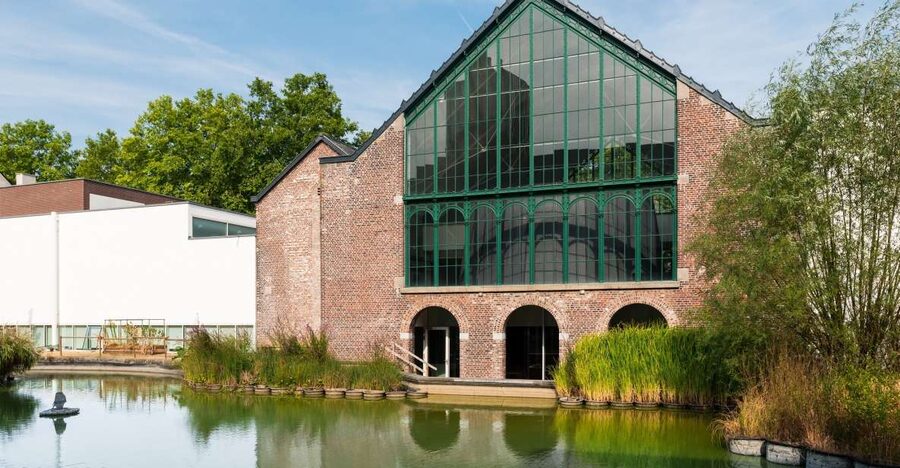
War history, told through real objects and words. This Mons Memorial Museum ticket in Wallonia, Belgium, is a focused way to understand how conflict shaped both soldiers and civilians, not just battles. I especially like the museum’s day-to-day approach to war, and the way it links everyday choices to big historical forces.
Two highlights stayed with me. I loved seeing WWI artifacts presented with real weight, like a preserved bread ration in a bottle and the first one-tonne German bomb from 1917. I also liked the personal side, through veterans’ recorded interviews and collections of diaries, postcards, and letters to loved ones.
One thing to consider is that this entry ticket does not include a guided tour or an audio guide. If you prefer someone to lead the story, plan to slow down and read labels closely, or arrive ready with a few questions.
In This Review
- Key things I’d plan around
- Mons Memorial Museum, in plain terms: what you’re paying for
- Where the story starts: the Middle Ages to WWII timeline
- Soldiers away from home: the museum’s focus on everyday life
- Civilians in war and occupation: the other half of the lesson
- WWI artifacts that hit hard: German bombs and bread ration evidence
- Letters, diaries, and postcards: hearing voices through paper
- Veteran interviews on record: why the museum ends with testimony
- Staff, atmosphere, and how the museum feels in real life
- Planning your visit for a smooth, stress-free day
- Is this good value? My take on the $11 ticket
- Who should book this museum (and who might want a different option)
- Should you book the Mons Memorial Museum?
- FAQ
- Where is the Mons Memorial Museum located?
- How much is the ticket?
- How long does the visit take?
- Is a guided tour included?
- Is an audio guide included?
- What languages are available for visitors?
- Is the museum wheelchair accessible?
- Do I need to exchange a voucher for a ticket?
- What should I bring or show at the museum?
- Can I cancel and get a full refund?
Key things I’d plan around
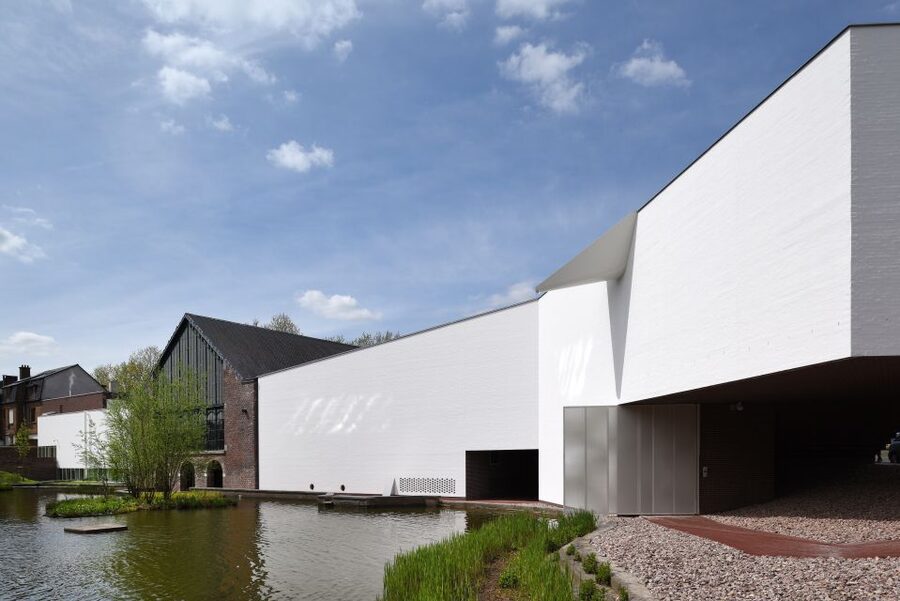
- A timeline that moves from the Middle Ages through WWII, so you feel how the logic of war repeats and changes.
- Personal documents, not just weapons, including diaries, postcards, and letters home.
- WWI artifacts with shock value, like German bombs and a preserved bread ration in a bottle.
- Recorded veteran interviews, which help connect the objects to lived experience.
- A clear focus on the civilian-military relationship, not either side alone.
- Kind, welcoming staff, which makes a heavy subject easier to handle.
Mons, Tournai and western Wallonia
- Mons : The Belfry★ 3.6 · 17 reviews
- Mons : the Mons Memorial Museum★ 3.9 · 7 reviews
- Mons : The Doudou Museum★ 4.2 · 5 reviews
Mons Memorial Museum, in plain terms: what you’re paying for
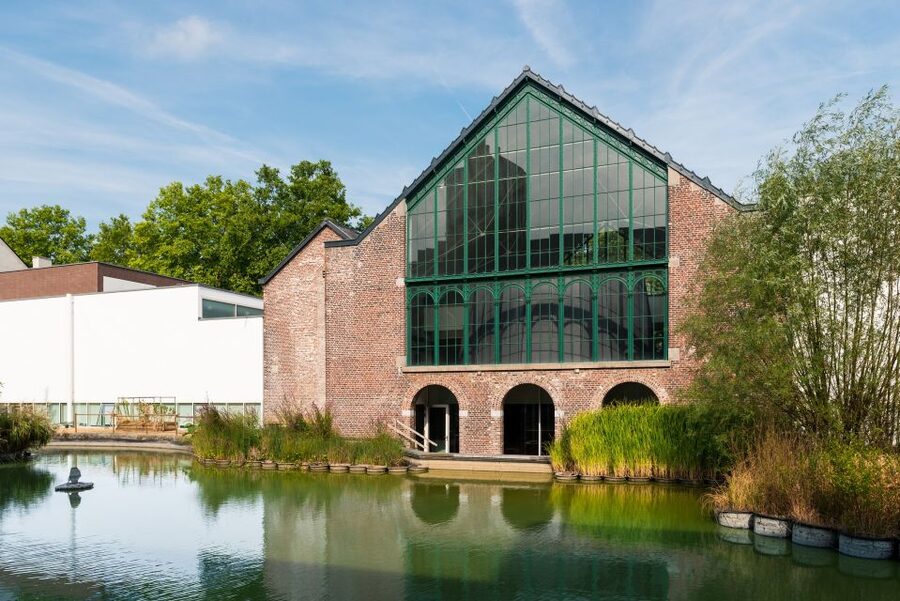
For about $11 per person, you get a one-day ticket into a museum built around evidence and personal accounts. There’s no need to “figure it out” in a formal guided format. You follow the exhibits, and you let the material do the talking: objects, text, and recordings.
The big value here is balance. Many war museums lean toward tactics and battle lines. This one keeps asking a more human question, what war does to people who are not on a map. You also get the other side, how civilians and military populations affect each other during peace, war, and occupation.
Because it is self-guided (no guided tour or audio guide included), you will get the most from it if you’re willing to read. That’s the tradeoff. But if you like learning in your own pace, it’s a very approachable way to spend a day in Mons.
Where the story starts: the Middle Ages to WWII timeline
Walking through the galleries, I liked the museum’s structure across time. You start with earlier periods and then progress forward, reaching WWII by the end. That matters, because you can track what stays consistent about war, fear, hunger, displacement, and political control, and what changes, weapons, organization, and the scale of civilian impact.
You’ll also notice the museum doesn’t treat history like a separate set of eras. It uses the continuity to challenge a simple idea. War is not one event. It’s a system that shapes daily life, and that system has echoes through centuries.
A practical tip: plan for a slower pace than you would in a casual attraction. If you skim, you miss the connections the museum is trying to make. If you like reading, you’ll likely want extra time.
Soldiers away from home: the museum’s focus on everyday life
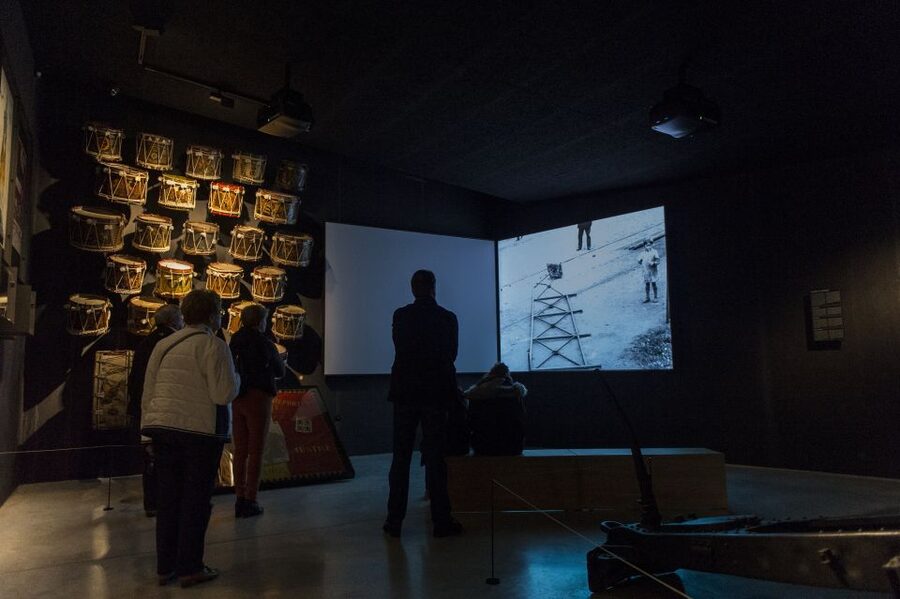
This is not the kind of place where you only look at uniforms and medals. The museum aims for a specific feeling, what it is like to fight far from home, and what that does to routine, morale, and identity.
I found it moving because the exhibits repeatedly return to lived reality. Instead of only showing the headlines, you’re shown the texture of military life, what people carried, what they ate, what they wrote down, and how they communicated with those they left behind.
That daily lens is also how the museum avoids easy hero vs villain storytelling. It pushes you to think about the human costs on multiple sides of the same conflict. Even when the topic is difficult, that approach keeps it thoughtful rather than blunt.
Civilians in war and occupation: the other half of the lesson
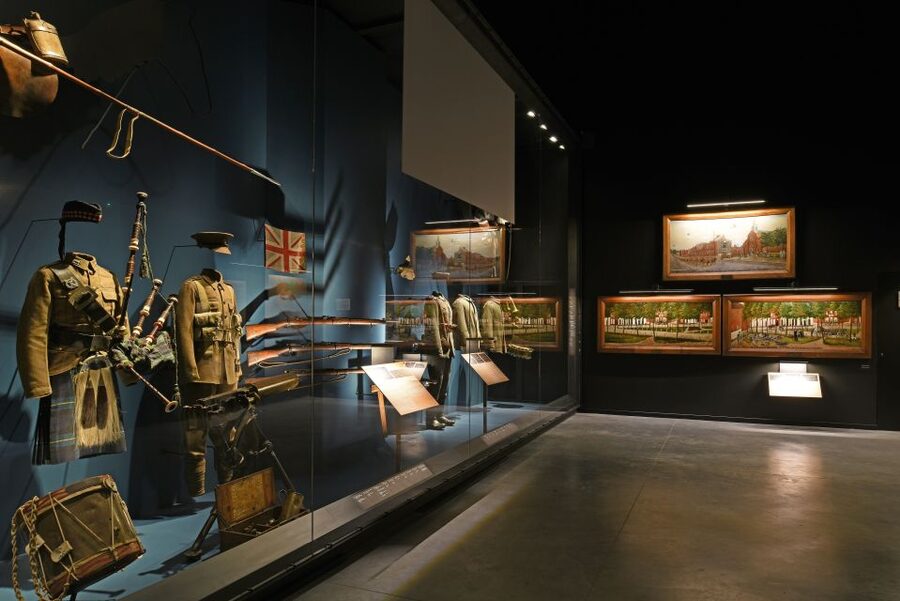
One of the museum’s strongest themes is civilian life under pressure. You learn about what civilians experienced during war and occupation, not just what soldiers did at the front.
This part matters because civilian suffering is often treated as background noise in popular history. Here, it’s given a central place. The museum asks how the relationship between civilians and the military works when control changes hands, when rules tighten, and when basic needs like food become political.
If you want to understand occupation beyond slogans, this is where the museum earns its emotional impact. You’re not just learning facts. You’re seeing the conditions that force people to adapt, resist, comply, or simply survive day to day.
WWI artifacts that hit hard: German bombs and bread ration evidence
The WWI section is where the museum shows how material evidence can feel personal. I liked the way it uses artifacts to make history tangible. You can stand in front of pieces like German bombs, which communicate scale and danger immediately, without needing a long explanation.
Then there’s the bread ration detail, a preserved soldier’s bread ration kept in a bottle. That image is simple, but powerful. Food becomes a measure of scarcity, discipline, and endurance. When you see it presented like a relic, it changes how you think about what rationing really means.
Another standout is the first one-tonne German bomb from 1917. Even if you know the broad story of WWI, seeing this kind of exhibit in a memorial context reframes the war as something physical and inescapable, not an abstract timeline.
Practical note: artifacts like this can be intense. If you’re sensitive to heavy themes, take breaks. Don’t feel rushed. The museum is designed for a careful pace.
Letters, diaries, and postcards: hearing voices through paper
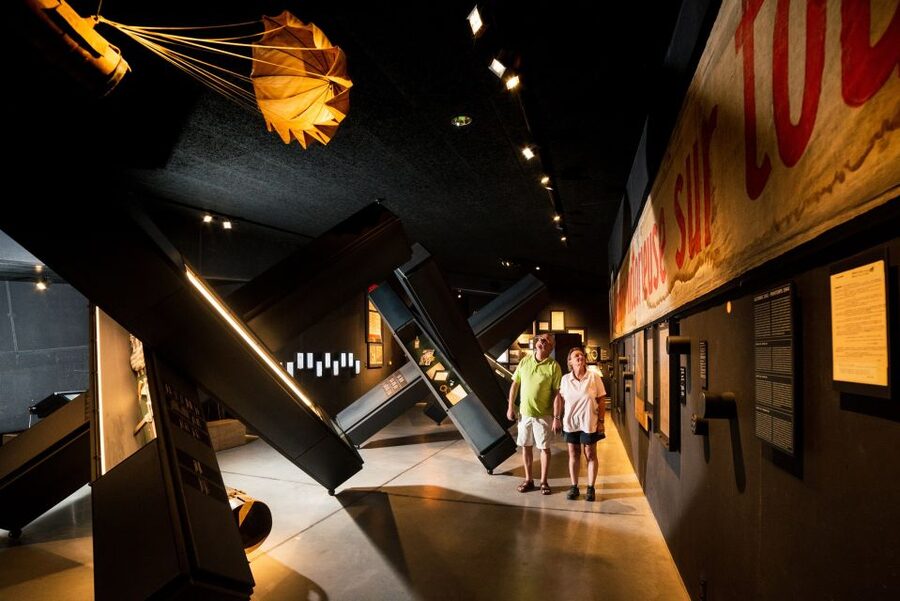
If you like history that reads like a person wrote it, you’ll probably enjoy this museum’s document collections. The exhibits include soldiers’ diaries, postcards, and letters to loved ones. The museum uses these to show how people processed the war in real time.
I especially liked how the museum includes emotional communication, letters aimed at sweethearts and family members. That detail keeps the human stakes clear. You see the distance between what the public tells itself about war and what individuals actually experienced when they wrote by lamplight or on borrowed time.
For many visitors, this is the point where the museum stops feeling like a lesson and starts feeling like a record. You don’t just learn what happened. You get a sense of how it felt, and how memory was shaped while events were unfolding.
Veteran interviews on record: why the museum ends with testimony
The visit finishes with recorded interviews with veterans. That ending matters. It gives you a closing note that is about memory, not just events.
After you’ve already seen artifacts and read documents, hearing voices makes the entire museum more complete. The words connect to the objects. The diaries and letters stop being separate exhibits and start to feel like parts of a single human story.
Even if you don’t speak every language in the room, the structure should still work. The museum’s focus is clear: this is testimony, not entertainment. It’s meant to slow you down.
Staff, atmosphere, and how the museum feels in real life
From what I learned about the experience, the museum’s staff are a bright spot. Visitors have specifically praised the personnel as extremely kind. In a museum about war, that kind of warmth matters. It helps you feel safe enough to sit with difficult displays.
There’s also a sense that the museum is excellent but not widely known. That can be a good thing. You’re more likely to find the spaces manageable and the pacing comfortable. That doesn’t reduce the emotional weight, it just makes it easier to absorb.
Planning your visit for a smooth, stress-free day
This experience is listed as 1 day, and you check availability for starting times. When you reserve, you’ll receive a ticket by email, and you present that at the museum entrance.
You should also plan your arrival around the time slot you choose. The museum asks you to show up during that scheduled window. It’s a small request, but it keeps the entry process simple.
If you like to move fast, this place may still slow you down. It’s not one of those “quick in, quick out” museums. Between personal documents and heavy artifacts, I’d plan for a slower, more reflective pace than you would at a typical gallery.
Is this good value? My take on the $11 ticket
For $11, you’re paying for several things at once: ticketed access, a museum design that includes exhibits across a wide historical span, and emotionally heavy content presented through objects and recorded testimony.
You’re not paying for a guide or an audio program. But you are getting structured storytelling in physical form. If you’re the type who enjoys labels, photographs, and document-style displays, the value is strong. If you want a live guide to interpret everything for you, you may find it more demanding to rely on signage alone.
Bottom line: it’s good value for an independent visitor who likes to learn by reading and looking closely. It’s less ideal if you require a spoken guided narrative.
Who should book this museum (and who might want a different option)
I’d recommend this museum if you:
- like war history that centers civilians and daily life, not only combat
- enjoy primary sources like diaries, letters, and postcards
- want WWI context with physical artifacts, including ration evidence and bomb material
- prefer a self-guided experience where you can pause and read at your own speed
You might consider another option if you:
- strongly prefer guided interpretation or audio tours
- feel overwhelmed by memorial-style exhibits and need a lighter experience
Should you book the Mons Memorial Museum?
If you’re curious about how war reshapes everyday life across centuries, this museum is worth your time. The combination of artifacts, written testimony, and veteran interviews gives you multiple ways to understand the same reality. It’s also one of those experiences where being alone with the exhibits is part of the power.
Book it if you want an honest, evidence-based approach. Skip it only if you want a fast, guided, entertainment-style museum day.
FAQ
Where is the Mons Memorial Museum located?
It is located in Wallonia, Belgium.
How much is the ticket?
The price is $11 per person.
How long does the visit take?
The duration is listed as 1 day.
Is a guided tour included?
No, a guided tour is not included.
Is an audio guide included?
No, an audio guide is not included.
What languages are available for visitors?
Languages listed are French, English, and Dutch.
Is the museum wheelchair accessible?
Yes, it is wheelchair accessible.
Do I need to exchange a voucher for a ticket?
Yes, the instructions say you will exchange your voucher for a ticket.
What should I bring or show at the museum?
You receive an email ticket that you present at the museum reception.
Can I cancel and get a full refund?
Yes. Free cancellation is available up to 24 hours in advance for a full refund.
Belgian Museums
Every Belgium Review
Newer Belgium reviews from the same corner of the country
- Mons : The Doudou Museum
★ 4.2 · 5 reviews - Mons : the Mons Memorial Museum
★ 3.9 · 7 reviews - Mons : The Belfry
★ 3.6 · 17 reviews
Mons & Tournai Tours, side by side.
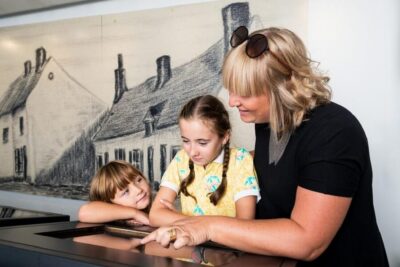 ★ 3.9Mons : The Van Gogh HouseFrom $522 reviews
 ★ 3.6Mons : The BelfryFrom $1117 reviews
 ★ 4.0Discover Mons while playing! Escape game – The alchemistFrom $235 reviews
 ★ 4.2Mons : The Doudou MuseumFrom $115 reviews
 ★ 5.0e-Scavenger hunt Mons: Explore the city at your own paceFrom $354 reviews
 ★ 4.0Discover Tournai while playing! Escape game – The alchemistFrom $233 reviews
Browse the lists this tour appears in