
REVIEW · BRUGES
Bruges: Ticket Museum Sint-Janshospitaal
A medieval hospital turns into an art lesson. In Bruges, St John’s Hospital Museum layers Memling masterpieces with contemporary works by Berlinde De Bruyckere and Patricia Piccinini, then finishes in an apothecary with an herb garden.
I love how the building itself does the heavy lifting. It is a well-preserved 12th-century hospital, and it puts the art in the right setting, not in a white box. I also love the old pharmacy section, where the authentic 17th-century interior makes the idea of care feel practical, not just symbolic.
One consideration: some of the contemporary art can be visually intense, including human and animal imagery that may feel unsettling if you prefer gentle themes.
In This Review
- Key things that make this museum work
- St John’s Hospital Museum in Bruges, where care becomes art
- Memling masterpieces, and why they feel made for the room
- Contemporary art in a medieval hospital, what to expect from the mood shift
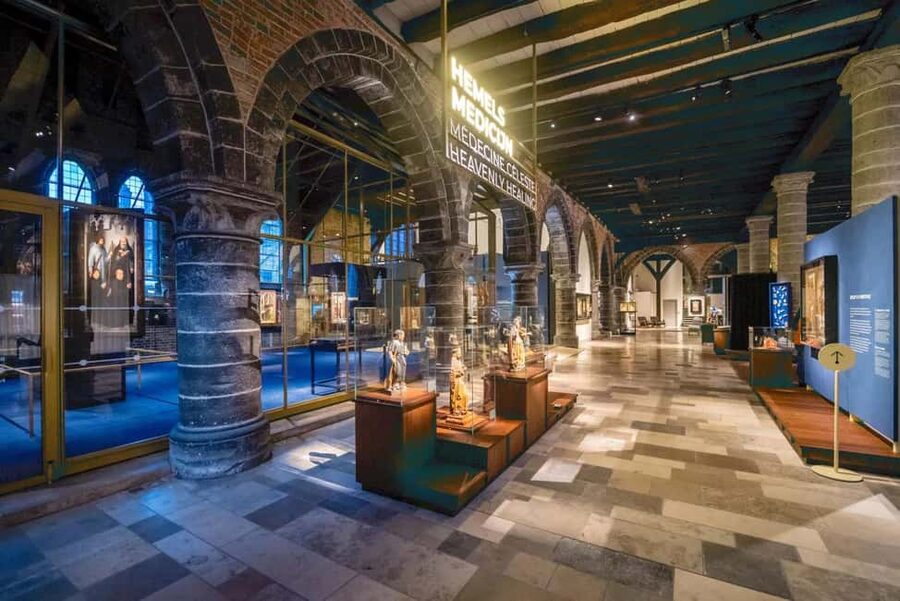
- The medieval hospital spaces, architecture you can actually read
- Apothecary time, stepping into a 17th-century pharmacy and herb garden
- How long to plan, and how to get the most from a 1-day visit
- Price and value, what you get for about $17
- Rules that affect your visit, and what to bring
- Who should book St John’s Hospital Museum?
- Should you book this hospital museum in Bruges?
- FAQ
- How long is the Museum Sint-Janshospitaal visit?
- What is the ticket price for the St John’s Hospital Museum?
- Does the ticket let me enter quickly?
- Are pets allowed inside the museum?
- Can I take photos with flash?
- Is the museum wheelchair accessible?
- Are there free tickets for children?
- What cancellation rules apply?
Key things that make this museum work
- Memling created major works specifically for St John’s Hospital, so the collection feels personal to this site.
- You get medieval hospital architecture plus art across time, not just one period.
- Contemporary art includes famous names like Berlinde De Bruyckere and Patricia Piccinini, placed among older spaces.
- The apothecary is a real highlight, with an authentic 17th-century pharmacy interior and herb garden.
- There is a hands-on art moment where you can create your own artworks.
- Skip-the-line entry helps you spend more time inside the museum, less time waiting.
Bruges again, from a different angle
- Bruges: Small Group Boat Cruise and Guided Walking Tour★ 4.8 · 4,102 reviews
- Bruges: Walking Tour, Canal Boat Trip w/Beer Tasting Option★ 4.4 · 2,759 reviews
- Historical Walking Tour: Legends of Bruges★ 5.0 · 2,541 reviews
- Bruges: Choco-Story Chocolate Museum Guided Tour w/Tastings★ 4.2 · 1,379 reviews
St John’s Hospital Museum in Bruges, where care becomes art
St John’s Hospital Museum in Bruges is one of those places where the setting matters more than you expect. This was a 12th-century hospital, and for centuries it served as a warm haven for people who needed care or somewhere to sleep. That idea of hospitality is woven into the museum experience, not tacked on as a theme.
What you do here is simple: you walk through hospital spaces, look at art that was made for these walls, then end with the apothecary. The tone stays grounded. Even when the artworks get contemporary, the message stays tied to empathy and looking closely at how humans try to heal.
It is also practical for a one-day stop. The whole visit fits neatly into a Bruges sightseeing rhythm, especially if you want something calmer than the city’s main squares.
Memling masterpieces, and why they feel made for the room

Hans Memling is the big name most people come for, and he earns it. Memling is one of the best-known Flemish primitives, and several of his major works were created specially for St John’s Hospital. They have been here since the 15th century, which is part of the magic.
If you usually see Renaissance-style paintings in museums that feel detached from their original purpose, you will feel the difference here. In this hospital setting, the art is not just decoration. It is part of the hospital’s story of care.
Here is what I think makes the Memling collection satisfying:
- You can slow down without feeling rushed by a crowd sprint.
- You notice details more because the surroundings encourage quiet looking.
- The works do not feel randomly collected, they feel positioned.
Also, you are not limited to one style. The museum keeps the focus on Memling as a centerpiece, while letting other works around him create a conversation across time.
Contemporary art in a medieval hospital, what to expect from the mood shift
One reason this museum stands out in a good way is the deliberate mix. After the hospital setting and the Memling masterpieces, you encounter contemporary artists like Berlinde De Bruyckere and Patricia Piccinini. The museum pairs these modern names with hospital collections and stories about hospitality and empathy.
This is not a museum where everything is soothing. Contemporary art often uses metaphor, shock, or uncomfortable forms to force attention. One short review clue points to human and animal imagery that some people may find disturbing. If you know you are sensitive to that kind of visual, you might want to go into the modern rooms with a flexible mindset, not a firm expectation of comfort.
On the plus side, this mix creates a useful takeaway. It reminds you that questions about care and suffering are not locked in the past. They keep showing up in new ways, long after the original hospital stopped functioning the same way.
There is also a hands-on element mentioned in feedback, where you can create your own artworks. That helps if you want your visit to feel more active, not only observational.
The medieval hospital spaces, architecture you can actually read
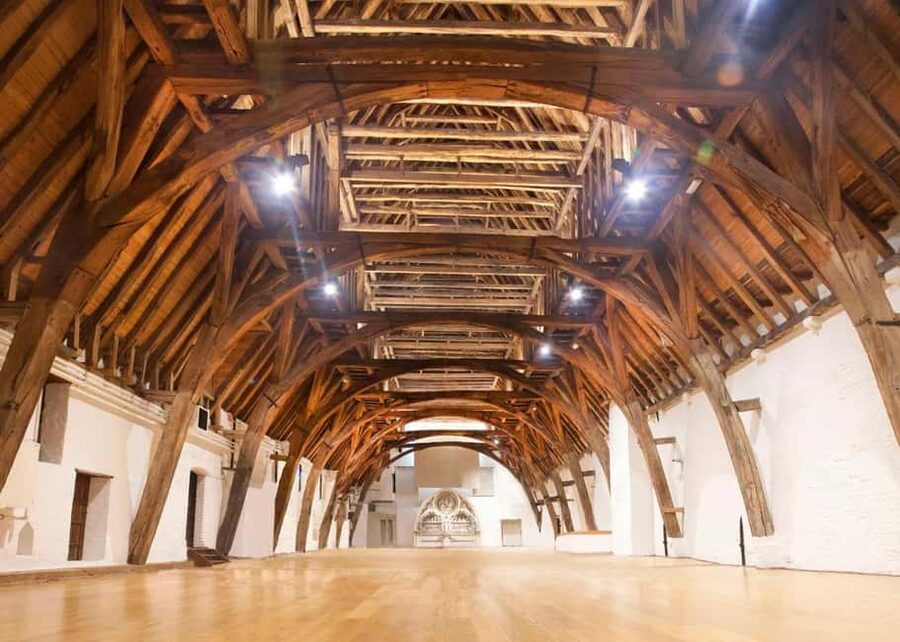
The museum is inside a 12th-century hospital, and the architecture is well preserved. That matters because the building helps you understand how hospitals worked as physical spaces, not just ideas. You do not need a lecture to feel it. The rooms, pathways, and scale guide you through the experience like the hospital did for people in need.
As you move through, you will also run into stories and testimonies connected to hospitality. This is one of the museum’s quieter strengths. The art can draw you in, but the human accounts keep pulling you back to what the hospital meant day to day.
If you are the type who enjoys museums where you can pick up meaning through small details, you will like the pacing. It is not just a list of paintings. It is a guided sense of place, with the hospital’s purpose constantly hovering in the background.
Practical tip: plan to pause. In a building like this, a rushed walk turns it into a corridor tour. Give yourself a few short stops so the rooms can register.
Entry tickets we have checked
Apothecary time, stepping into a 17th-century pharmacy and herb garden
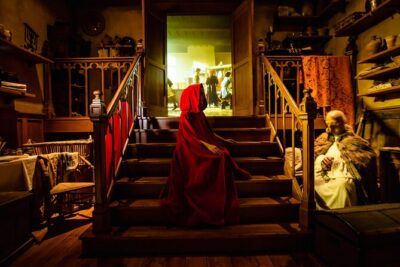
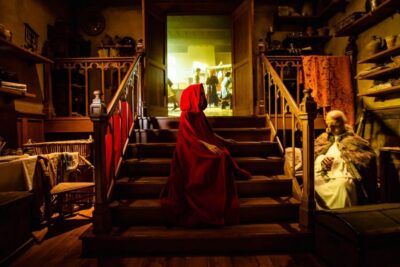
The visit ends with a look inside the old hospital pharmacy. This part is specifically memorable because it includes an authentic 17th-century interior, plus an herb garden. You are switching from looking at paintings to thinking about how medicine was practiced.
That is where the whole museum concept clicks. Hospitality was not only about food and shelter. It was also about treatment, preparation, and the slow work of getting remedies ready.
In the apothecary section, you get a tangible sense of past medicinal practices. Herbs, the pharmacy interior, and the way the space is presented can make the history feel more hands-on, even if you are not a medical person.
If you want a simple “must-see moment” in the museum, this is it. Memling is a highlight, sure. But the apothecary is the part that makes you picture everyday care in a concrete way.
How long to plan, and how to get the most from a 1-day visit
This experience is set up as a 1-day visit, and starting times depend on availability. In practice, you should treat it as a focused half to full day inside Bruges. If you are trying to squeeze too much into one day, you might feel a bit rushed, because the museum rewards slower looking.
A good strategy:
- Start with the main hospital galleries where the art is centered.
- Spend extra time around the Memling works since they are the core draw and were made for this place.
- Leave time for the contemporary rooms so you can handle the mood shift.
- Finish at the pharmacy and herb garden when you want a calmer wrap-up.
Even if the ticket gives you admission for the day, you still want a flow. The museum itself is built around that progression from care to art and back to care.
Price and value, what you get for about $17
The price is listed as $17 per person, which is a fair ask for what you get here. You are paying for more than an art museum ticket. You get:
- Memling masterpieces tied to their original hospital context
- Contemporary artworks by major modern artists
- Medieval hospital architecture
- A 17th-century pharmacy interior and herb garden
- A museum experience that includes stories about empathy and hospitality
- Skip-the-ticket-line entry, which actually matters in popular European stops
Value is not just cost. It is variety plus quality. This museum compresses multiple interests into one site, art plus social context plus material history of medicine. If you like museums that connect art to real life, it is hard to beat.
If you only care about one small slice of art, like only medieval painting and nothing else, you might find the contemporary parts less useful. But if you like seeing how themes carry forward, the mix is the point.
Rules that affect your visit, and what to bring
You can make your day smoother by knowing the constraints up front.
Not allowed:
- Luggage or large bags
- Pets, with assistance dogs allowed
- Flash photography
What to bring:
- Passport or ID card for children
Why this matters: large-bag limits can change how comfortable you feel once you arrive. Pack lightly for Bruges. If you are carrying camera gear or shopping bags, you may want to reorganize before you head to the museum.
Also, the museum is wheelchair accessible, which is helpful if your group includes anyone with mobility needs.
Who should book St John’s Hospital Museum?
Book this museum if you like art, but you also like context. It is ideal for people who want more than a gallery crawl, and who enjoy when a museum uses the setting to tell the story.
It is a strong fit for:
- Art lovers who care about where works came from
- Curious museum visitors who like mixing time periods
- Families and kids who can handle a museum pace and potentially enjoy the hands-on art element
- Anyone interested in the history of care, medicine, or everyday life
It might be a tougher pick if you strongly dislike contemporary art that can be visually intense. The modern rooms are part of the experience, so skipping them is hard to justify.
Should you book this hospital museum in Bruges?
I think this is a solid yes for most people visiting Bruges for a day or two. For the price, you get a lot of different experiences inside one historic building: Memling art tied to the hospital, contemporary works, plus a pharmacy and herb garden that gives the theme real physical grounding.
If you want a safe call, focus on this simple checklist: you should be excited about Memling, open to modern art, and interested in how care and medicine used to work. If that describes you, you will likely feel satisfied leaving the museum, not just tired from walking.
If contemporary imagery makes you uneasy, you can still go, just plan mentally for a shift in tone once the Memling rooms are behind you.
FAQ
How long is the Museum Sint-Janshospitaal visit?
It is listed as a 1-day activity, and you should check availability to see starting times.
What is the ticket price for the St John’s Hospital Museum?
The price is listed as $17 per person.
Does the ticket let me enter quickly?
Yes, skip-the-ticket-line entry is included.
Are pets allowed inside the museum?
No pets are allowed, but assistance dogs are allowed.
Can I take photos with flash?
No, flash photography is not allowed.
Is the museum wheelchair accessible?
Yes, it is wheelchair accessible.
Are there free tickets for children?
Yes, children under 13 can obtain a free ticket at the box office.
What cancellation rules apply?
Free cancellation is available up to 24 hours in advance for a full refund.
Belgian Tickets and Entry
Every Belgium Review
Keep Reading Bruges
Newer Belgium reviews from the same corner of the country
- Explore the Instaworthy Spots of Bruges with a Local
★ 5.0 · 3 reviews - Best of Brussels Private Tour from Zeebrugge or Bruges
★ 4.0 · 3 reviews - Private taxi Transfer from Bruges to Amsterdam
★ 5.0 · 3 reviews - Bruges Photo Session By a Pro
★ 5.0 · 3 reviews - Private 3-hour walking tour of Bruges with official tour guide
★ 4.0 · 3 reviews
Bruges Tours, side by side.
 ★ 4.6From Brussels: Guided Day Trip to Bruges and GhentFrom $558,353 reviews
 ★ 4.7From Brussels: Bruges & Ghent Day Tour – 2 Fairytale CitiesFrom $578,242 reviews
 ★ 4.0Bruges and Ghent – Belgium’s Fairytale Cities – from BrusselsFrom $594,809 reviews
 ★ 4.8Bruges: Small Group Boat Cruise and Guided Walking TourFrom $514,102 reviews
 ★ 4.4Bruges: Walking Tour, Canal Boat Trip w/Beer Tasting OptionFrom $412,759 reviews
 ★ 5.0Historical Walking Tour: Legends of BrugesFrom $32,541 reviews
 ★ 4.4From Amsterdam: Bruges Day Trip in English with Boat OptionFrom $611,989 reviews
 ★ 4.6From Amsterdam: Bruges Day Trip in Spanish with Boat OptionFrom $611,866 reviews
Browse the lists this tour appears in