
REVIEW · BRUSSELS
Brussels, 1000 Years of Struggles
Marolles stories start with real street conflict. I like the way this Marolles tour turns hard social struggles into something you can follow, thanks to a playful, funny guiding style. The route keeps you moving through the neighborhood, so the events you hear about feel connected to real street corners, not just dates.
I also like that the tour points you toward both famous flashpoints and quieter backstreets, including memorable anecdotes as you criss-cross the district. One drawback to plan for, based on a comment from a past guest: the booking info may not make clear if there is a small extra payment at the end, so bring a little cash just in case.
In This Review
- Key highlights at a glance
- The Marolles idea: why 1000 Years of Struggles is more than a gimmick
- What you do on the street, step by step (and why it matters)
- Battle of the Marolles (1969): street-level conflict, explained in human terms
- The Mattress War (1989): how a neighborhood remembers through odd details
- Alleys, dead ends, and the art of getting lost on purpose
- Gentrification and social change: reading the neighborhood’s present through its past
- Meet the guide: humor, energy, and the name Simon
- Price and value for a 2-hour Marolles walk
- Who should book, and who might pass
- Should you book 1000 Years of Struggles in Brussels?
- FAQ
- How long is the tour?
- Where does the tour take place?
- What is the price?
- What is included in the ticket price?
- Are drinks, food, or pick up included?
- What languages is the tour offered in?
- What is the meeting point?
Key highlights at a glance
- A 2-hour guided walk through the Marolles district with time enough to cover a lot of ground
- Humor-forward storytelling that makes social conflict easier to grasp
- Stop points tied to the Battle of the Marolles (1969) and the Mattress War (1989)
- Lesser-known alleys and dead ends that you would likely miss on your own
- English and French live guiding, with at least one guide named Simon praised for passion
- A focus on gentrification and social change as part of how neighborhoods evolve
Brussels has more to it than one route
- Brussels: Atomium Entry Ticket with Design Museum Ticket★ 4.4 · 9,254 reviews
- From Brussels: Guided Day Trip to Bruges and Ghent★ 4.6 · 8,353 reviews
- From Brussels: Bruges & Ghent Day Tour – 2 Fairytale Cities★ 4.7 · 8,242 reviews
- Choco-Story Brussels: Chocolate Museum Entrance with Tasting★ 4.3 · 4,883 reviews
The Marolles idea: why 1000 Years of Struggles is more than a gimmick
Marolles has a reputation for being rebellious, and this tour leans into that in a smart way. Instead of treating history like something locked inside buildings, it uses the neighborhood layout to explain how people fought for housing, belonging, and fair treatment. The theme is simple: different struggles happened at different times, but they shaped the same streets.
What makes this experience work for me is the focus on everyday place-making. When you walk through an area and hear how conflict shaped it, you start noticing the logic of the neighborhood right away. You also get a sense of why social movements can leave long shadows, long after the headlines fade.
The other part I appreciate is the tone. The tour does not go full somber museum mode. It uses humor and storytelling to keep you engaged, which helps you stick with the thread when the subject matter gets heavy. You come away with the bigger picture and a handful of concrete moments, like the two headline events from 1969 and 1989.
What you do on the street, step by step (and why it matters)
This is a 2-hour guided tour that criss-crosses Marolles and moves through more than just the main roads. You should expect a walk that mixes explanation with quick, story-based moments, then repeats the pattern as you go deeper into the neighborhood. You’ll spend time at key points tied to major local struggles, and also get detours into lesser-known alleys and dead ends.
A typical flow looks like this:
- You start by setting the context for why Marolles became a stage for social conflict.
- You then move through sections that cover older struggles, before coming to more recent flashpoints.
- Along the way, you get anecdotes that tie the past to the feel of the streets today.
- The route ends after you’ve covered multiple connected stories, not just one big event.
Those “dead ends” and side lanes are not filler. They help the guide show how urban life works when people are crowded together, when resources are limited, and when neighbors have to negotiate space. Even if you are not a history buff, the way the tour uses streets as evidence makes it easier to understand what changed, and what stayed stubbornly the same.
Battle of the Marolles (1969): street-level conflict, explained in human terms
The Battle of the Marolles (1969) is one of the tour’s big anchoring moments, and it matters because it gives the walk a recognizable landmark event. What you get from this stop is the sense that conflict is not abstract. It comes from real community pressure, real disagreements, and the everyday fight to be heard.
The guide connects the story to the neighborhood setting, so you can picture what life might have looked like. You are not just told that something happened. You are shown how the neighborhood’s character helped shape how people organized, argued, and resisted.
If you like tours that tell you the why, not only the what, this is a strong point. You’ll leave with a clearer idea of how a local community can become a pressure point, and how those tensions can spill out into wider city life.
Practical note: because this is a walking tour, expect that you will be outside for the full session. Wear shoes you trust, and keep your phone charged if you like to take notes or photos.
The Mattress War (1989): how a neighborhood remembers through odd details
The Mattress War (1989) is the other major highlight, and it is the kind of event that draws people in fast because it sounds almost too specific to be real. That is exactly why it works on a walking tour. The detail gives you a handle, and then the guide uses that handle to explain the broader social struggle underneath.
From the way this tour is described, you do not treat the Mattress War as a standalone trivia item. You see it as part of a pattern: the Marolles district becomes a place where residents push back, and where disputes reflect larger social pressures.
What I like most here is how the story stays grounded. Even without you knowing the background ahead of time, the tour language makes it understandable. You can connect the dots between older and newer conflicts by paying attention to what changes in tone, and what stays constant in how neighbors handle tension.
Alleys, dead ends, and the art of getting lost on purpose
One of the best parts is the way the route goes beyond the obvious. You are not just walking a straight line between famous points. You criss-cross the Marolles district, with detours into less known alleys and even dead ends.
Why does that matter? Because neighborhood history often shows up in small spaces. Main streets can flatten the story into something general. Side streets show texture. They help you understand density, movement, and how communities share space.
This is also where the tour feels most like exploring. The guide uses those lesser-known corners to add anecdote, humor, and contrast. You might start by thinking you know an area, then the next turn reframes it. That effect is hard to create when a tour sticks to only big, recognizable landmarks.
Gentrification and social change: reading the neighborhood’s present through its past
A strong theme mentioned in guest feedback is how the tour connects the social struggles to neighborhood transformation, including gentrification. That means you are not only learning about conflict in past decades. You are learning how socio-economic shifts can change what a neighborhood looks like, and who feels welcome there.
This matters because it changes how you see the walk while you are doing it. Instead of treating history as something finished, you notice the present as an ongoing negotiation. Gentrification is talked about as structure change driven by the arrival of wealthier residents, which helps explain why tensions can return in new forms.
I like this approach because it makes the tour more practical for modern travel. You get a way to read what you see on the street: price pressure, shifting demographics, changes in everyday life. Even if you do not have a strong politics background, the tour gives you language to think about it without getting lost.
Meet the guide: humor, energy, and the name Simon
This is a live guided tour with language options in English and French. One praised guide name is Simon, and guests highlight how passionate and engaging he is. That type of guide matters a lot on a history-themed walk, because you need someone who can hold attention while covering uncomfortable topics.
The style described is playful and funny, and also interactive. That usually means you are not stuck listening the whole time. You get prompt moments, quick explanations, and a rhythm that keeps you from zoning out.
If you enjoy guides who act like a local storyteller rather than a lecturer, you will likely click with this format. And if humor is your coping tool for heavy material, this tour is built for that.
Price and value for a 2-hour Marolles walk
The listed price is $3.53 per person, and that is strikingly low for a guided tour. At that price point, the value is mostly about access to local context and a route you would not naturally choose on your own. You are paying for someone to connect the dots between streets and social struggles, plus a bit of entertainment along the way.
One caution: a past guest noted that the site they booked through did not clearly say you might need to pay a small extra amount at the end, and they mentioned 3 euros. I would treat that as a “double check before you go” item. If you want zero surprises, bring a little cash or confirm exactly what you will owe at the end of the tour.
What you should also budget for: drinks and food are not included, and there is no pick up service. Since it is 2 hours, you can plan a snack before or after, and keep water on hand if it’s warm.
Who should book, and who might pass
This tour is a good fit if you want Brussels beyond postcards. You like street-level stories, and you enjoy learning how neighborhoods change over time. It also fits well if you care about social movements and how they show up in real space, not just in books.
It is also a solid choice if you enjoy humor in guiding. The tour is described as playful and funny, and that tone helps keep the subject matter readable and not just heavy.
You might hesitate if you prefer a quiet, purely academic approach, or if you want lots of famous landmark photos. Since the focus is Marolles and social struggles, the experience will feel more like animated local storytelling than a classic “top sights” tour.
Should you book 1000 Years of Struggles in Brussels?
Yes, I think you should book it if you want a guided way to understand Marolles as a neighborhood shaped by struggle, resistance, and change. The combination of two major dated flashpoints (1969 and 1989), a route that includes lesser-known alleys, and a guide-led humor style makes it an efficient use of a short stay.
Just do two simple prep steps. First, wear comfortable shoes for a walking tour. Second, check what you will pay in total at the end, since one guest flagged a small add-on not clearly communicated to them.
If you like city stories that connect the past to what you can still see today, this is a great way to spend 2 hours in Brussels.
FAQ
How long is the tour?
It lasts 2 hours.
Where does the tour take place?
The tour takes place in the Brussels Capital Region, focused on the Marolles district.
What is the price?
The price is listed as $3.53 per person.
What is included in the ticket price?
A guided tour is included.
Are drinks, food, or pick up included?
No. Drinks, food, and pick up are not included.
What languages is the tour offered in?
The live tour guide is available in English and French.
What is the meeting point?
The meeting point may vary depending on the option booked.
Every Belgium Review
More Ways to See Brussels
Newer Belgium reviews from the same corner of the country
- Discover the secrets of Brussels while playing
★ 5.0 · 3 reviews - Standard vehicle from Charleroi airport to city of Brussels
★ 4.5 · 3 reviews - Private tour to Ghent from Brussels (5hours walk & drive)
★ 5.0 · 3 reviews - Full day Brugge & Ghent: the gems of Flanders
★ 5.0 · 3 reviews - Private tour : Best of Brussels half day From Brussels
★ 5.0 · 3 reviews
Brussels Tours, side by side.
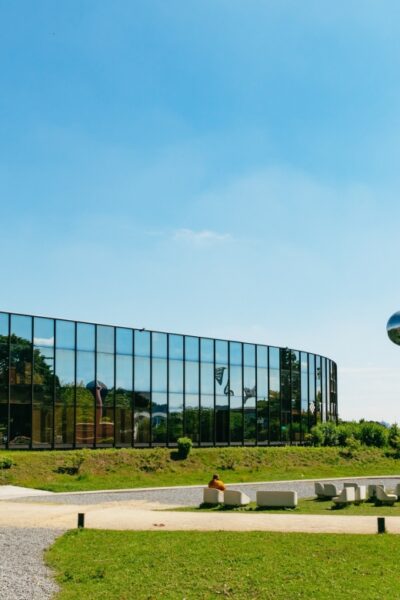 ★ 4.4Brussels: Atomium Entry Ticket with Design Museum TicketFrom $199,254 reviews
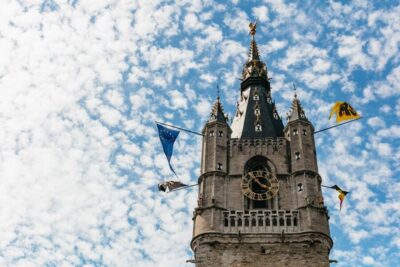 ★ 4.6From Brussels: Guided Day Trip to Bruges and GhentFrom $558,353 reviews
 ★ 4.7From Brussels: Bruges & Ghent Day Tour – 2 Fairytale CitiesFrom $578,242 reviews
 ★ 4.3Choco-Story Brussels: Chocolate Museum Entrance with TastingFrom $184,883 reviews
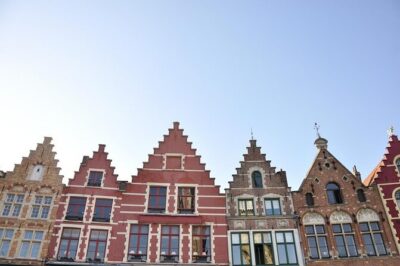 ★ 4.0Bruges and Ghent – Belgium’s Fairytale Cities – from BrusselsFrom $594,809 reviews
 ★ 4.0Brussels: Hop-On Hop-Off Bus TourFrom $294,016 reviews
 ★ 4.5Brussels: Entry Ticket to Mini-EuropeFrom $232,870 reviews
 ★ 5.0Hungry Mary’s Famous Beer and Chocolate Tour in BrusselsFrom $1192,258 reviews
Browse the lists this tour appears in