
REVIEW · BRUSSELS
Brussels: Museum Art & History Entry Ticket
A museum day that travels the whole world. One stop gives you a model of Roma plus the drama of Egyptian mummies. It also sets you up for an easy, satisfying wrap-up in Cinquantenaire Park.
I like that the museum is organized like a time-and-culture road trip. You move from early human and ancient civilizations to medieval Europe, then into decorative arts of the 16th to 18th centuries, and onward to the art nouveau and art deco of the early 20th century.
My only real caution is simple: the museum is huge, so a 1 day ticket can feel fast if you try to see everything. Pick a route first, then give yourself time to slow down.
In This Review
- Key things I think you will love
- Royal Museums of Art and History, Parc du Cinquantenaire style
- Finding the entrance and your best transit options
- The start of your route, prehistory to ancient worlds
- Egypt, including the mummy moment
- Greece and Rome, with the Roma model
- Medieval to early modern Europe, and what to look for
- The value of the European decorative arts section
- Asian Buddhas and the non-European collections that broaden the day
- What to do if you want structure here
- Museum rules, pacing, and photo etiquette that actually help
- Cinquantenaire Park picnic plan after your galleries
- Price and value for a one-day museum ticket
- Who this museum day suits best
- Should you book this museum ticket?
- FAQ
- How long is the entry ticket valid?
- Is line-skipping included?
- Where is the entrance compared to Autoworld?
- Which train stations are closest?
- What is the nearest metro station?
- Which bus and tram stops are near the museum?
- Are flash photos allowed?
- Is the museum wheelchair accessible?
- What is the cancellation policy?
Key things I think you will love
- Model of Roma that helps ancient Rome click instantly
- Egyptian mummies that make the Egypt section feel spooky and memorable
- World collections that go beyond Belgium into Islamic art, India, and China
- Belgian and European decorative arts spanning the 10th to 20th century
- Cinquantenaire Park picnic time right after the galleries
Royal Museums of Art and History, Parc du Cinquantenaire style

This is the kind of museum where one ticket can cover a lot of ground without needing special planning beyond showing up. The Royal Museums of Art and History sits in the Parc du Cinquantenaire, in a beautiful classic building. Even before you go inside, the setting helps you shift into museum mode.
What makes it practical is the way the collections are grouped. You are not wandering aimlessly through one giant, overwhelming building. Instead, you can follow the museum’s big themes and let that guide your day: ancient history, national archaeology, European decorative arts, and non-European civilizations.
Also, you get the rare benefit of variety without losing coherence. One gallery builds on another. It is less like “random exhibits,” more like you are moving through connected chapters.
Finding the entrance and your best transit options
Getting in is easy once you know one thing: the entrance is not next to Autoworld. It is on the other side of the building. Walk around the corner and follow the signs to the entrance.
For transit, you have several solid choices. If you want the most straightforward walk, aim for Merode or Schuman. Central Station can work too, especially if you prefer the metro connection to the Art and History Museum.
Metro-wise, Schuman is the nearest station. Buses 22, 27, and 80 stop at Galliërs, and bus 61 stops at Merode. Tram lines 81 and 82 also stop at Merode.
Practical tip: if you are carrying water or snacks, pick your route based on station exits and curbside crossings. Parc du Cinquantenaire sits in a pleasant area, but you still want an easy walking path on the day you are sightseeing all afternoon.
The start of your route, prehistory to ancient worlds
A smart way to do this day is to begin with the earliest sections, then let time speed up. The museum’s layout supports that approach. You start with national archaeology, including discoveries tied to the birth of mankind. Even if you are not an archaeology expert, those early rooms help you frame everything that comes later.
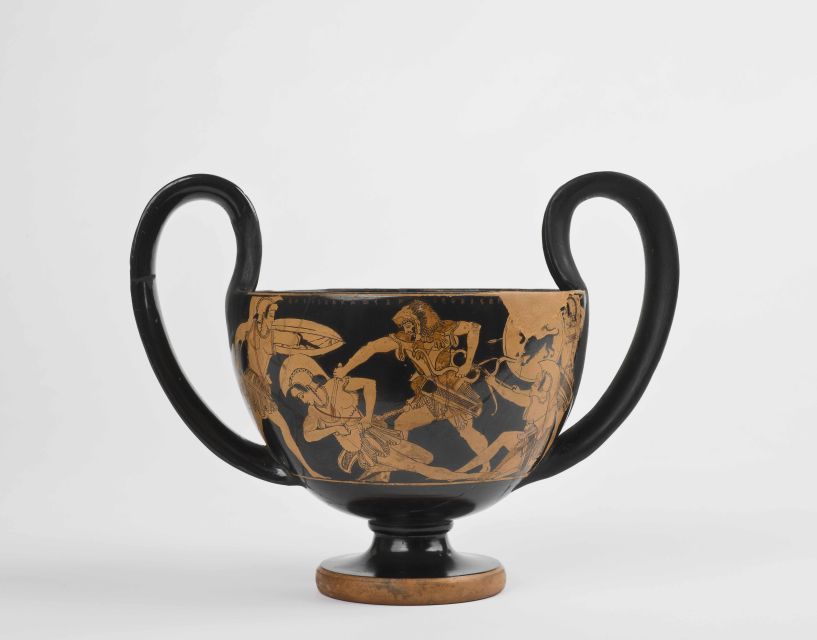
From there, you transition into ancient history collections, including Egypt, Greece, and Rome. This is where the museum can feel cinematic, because it mixes objects with clear storytelling. You are not just looking at artifacts, you are learning what they meant and where they fit in.
Egypt, including the mummy moment
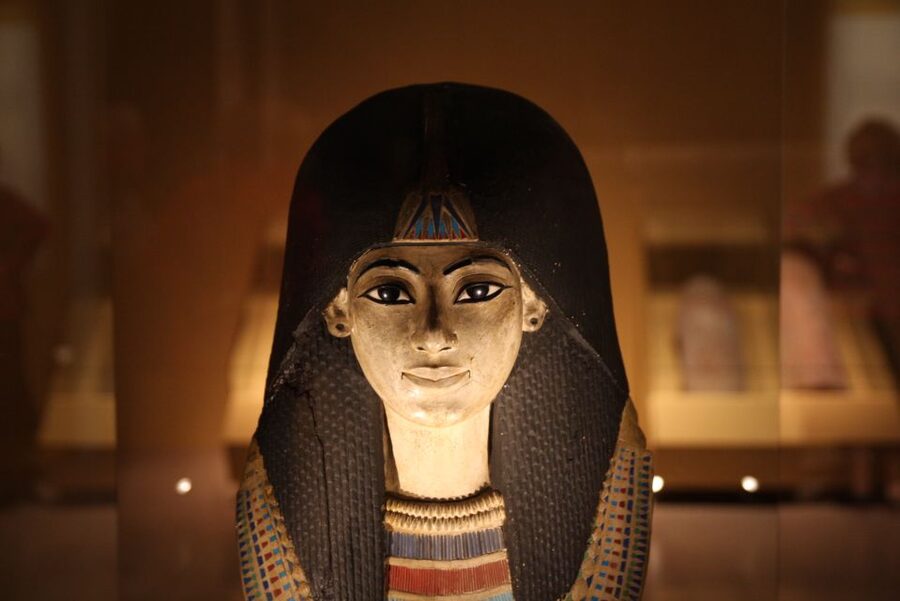
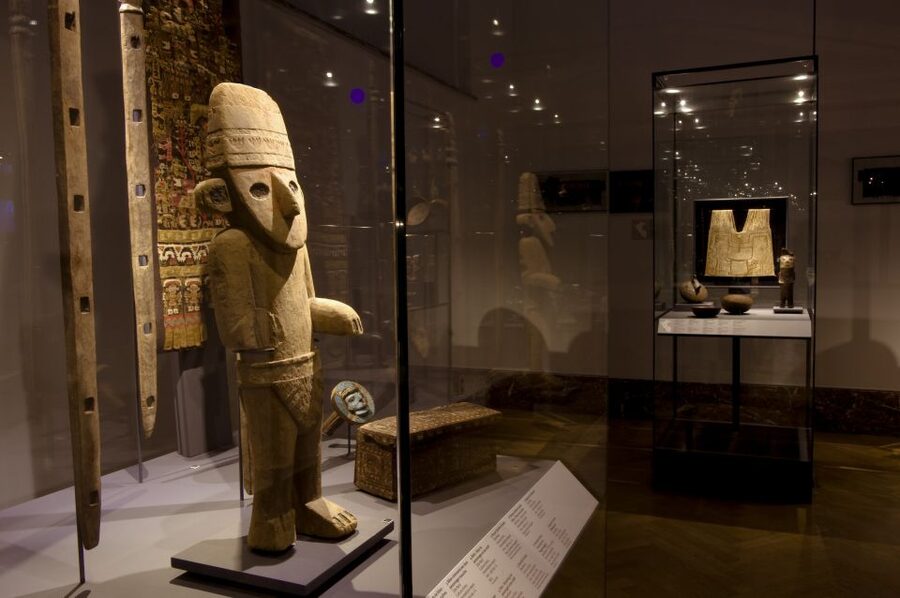
The Egypt section is one of the highlights for a reason. The Egyptian mummies bring a strong emotional hook to the galleries. It is the kind of display that works for both adults and kids, because it mixes history with a built-in sense of suspense.
If you are short on time, still pause here. Spend long enough to catch the context, then move on. When you do, other Egyptian pieces tend to make more sense.
Greece and Rome, with the Roma model
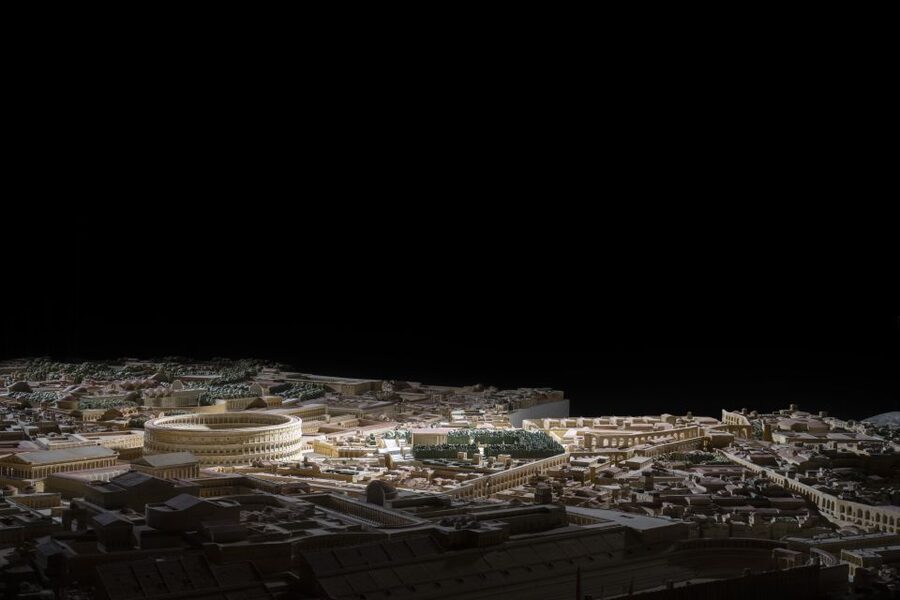
Rome gets a special treatment with a model of Roma. This is a great tool for people who do not always love models, because it is not just a toy-like replica. It helps you understand scale and city structure. Instead of thinking of Rome as a set of famous sites, you start seeing it as a living urban system.
If you like architecture and city planning, this is a smart place to slow down. After that, you can flow through the Rome-related material more confidently.
Medieval to early modern Europe, and what to look for
The museum’s European arc does not stop at ancient times. It moves through the Middle Ages and through the 16th to 18th centuries, and you start seeing shifts in how people made and valued art.
This part of the museum can be a good “reset” for your brain. Ancient history is about origins and big civilizations. Later Europe is more about how skills, tastes, and power expressed themselves through objects.
The value of the European decorative arts section
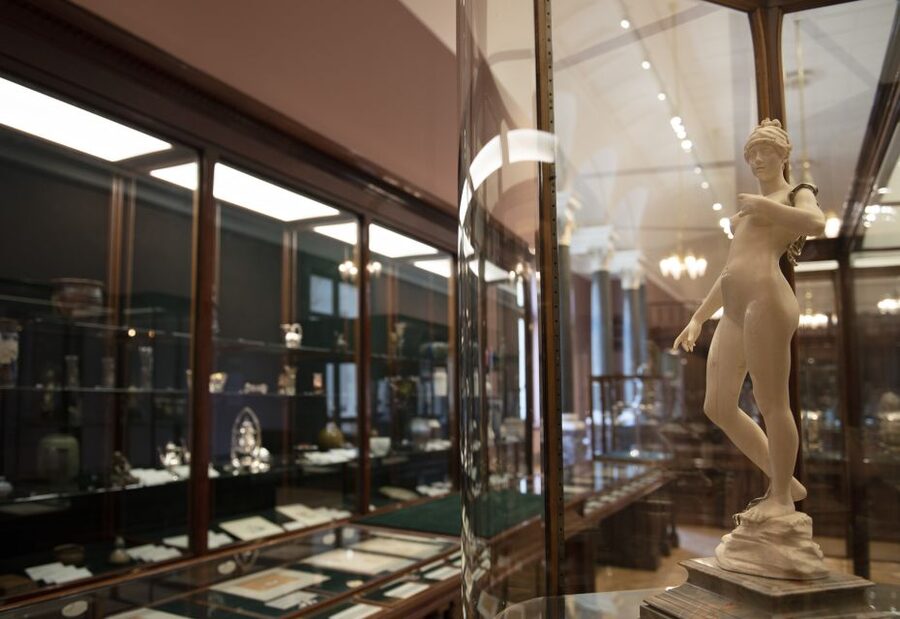
One of the museum’s strongest strengths is the European decorative arts collection, spanning the 10th to the 20th century. That range means you can spot changes in materials, styles, and design logic over time.
Here is how I recommend you make it practical: do not try to read every label. Instead, choose a couple of themes and follow them. For example, focus on how ornament changes from one period to another, or how aesthetic trends spill into daily life through decorative objects.
This section also pairs well with a stop at the art nouveau and art deco galleries of the early 20th century. If you are curious about how design reflects modern life, this is where you can connect museum objects to the streets you will see in Brussels later.
Asian Buddhas and the non-European collections that broaden the day
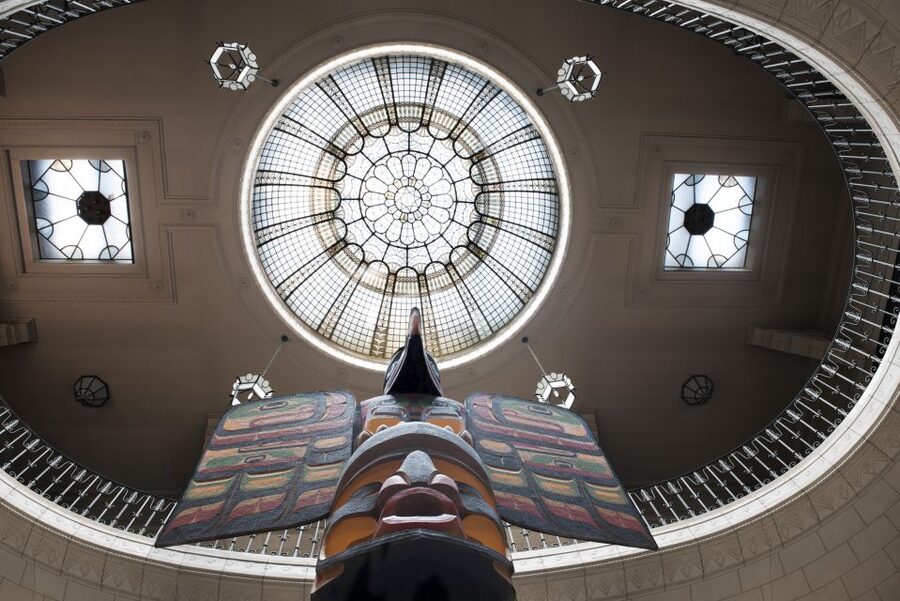
A day in this museum is not only Belgium plus classics. It also includes non-European civilizations, including the Islamic world, India, and China. The museum includes artworks and artifacts that help you understand how major cultures used art to express belief, power, and daily life.
One highlight is passing Asian Buddhas. It is a moment that changes the mood. You go from European time periods and design styles into spiritual and cultural art forms that carry different symbolism and visual language.
What to do if you want structure here
If you find non-European collections harder to approach because the context feels less familiar, give yourself a simple plan. Pick one region to focus on for 30 to 45 minutes, then come back later for a quick second look.
That way you are not just skimming. You are building understanding. And because the museum groups these collections as a category, it is easier to stay oriented.
Also, keep in mind that this museum is a large one. Even a focused approach can still feel like a full day. The goal is not checking boxes. It is leaving with a stronger mental map.
Museum rules, pacing, and photo etiquette that actually help

There is one rule you should take seriously: flash photography is not allowed. If you are photographing, use the normal light. Your best photos will come from steady positioning and patience, not from quick flashes.
Pacing matters, because the museum is one of the largest Belgian museums. With a 1 day ticket, you are doing a lot. The biggest mistake is attempting the entire building in one sweep.
Instead, choose your anchors. In your case, those anchors might be the model of Roma, the Egyptian mummies, and at least one of the non-European areas with Asian Buddhas and related works. Then let the rest fill in based on what still interests you after your big moments.
If you travel with kids, the museum’s mix of time periods helps keep attention. Start with the most eye-catching moments first, then shift into slower-looking rooms. Adults often enjoy that strategy too, because it reduces decision fatigue early in the day.
Cinquantenaire Park picnic plan after your galleries
The best part of this experience might be what happens after you put your museum energy away. The museum is at Parc du Cinquantenaire, and it sets you up for an impromptu picnic right there.
This is genuinely useful for your day. Museums can make you forget lunch until you are tired and cranky. A park picnic fixes that and also helps you keep your energy steady for the walk back and any extra sightseeing in the area.
Practical advice: bring something simple. A snack, a sandwich, or even just drinks and fruit. The goal is not a full meal. It is a break that feels like part of your itinerary.
Also, if you want photos, this is the time. The light in the park area can be great, and you get a change of scenery instead of more indoor rooms.
Price and value for a one-day museum ticket
At about $11 per person, this is strong value for what you are getting. You are not paying for a single theme. You are paying for a structured museum journey across ancient civilizations, European decorative arts from the 10th to the 20th century, plus non-European collections reaching into the Islamic world, India, and China.
You also get entry tickets included, and the experience is designed to let you skip the ticket line. That matters. In a large museum, saving time at the start gives you more time inside when you can actually enjoy the exhibits.
One quick caution for good value: double-check what your ticket includes before you pay anything else on arrival. One review complaint in the broader world of museum tickets is often not about the museum, it is about misunderstandings over add-ons. With this ticket, the listing data indicates entry tickets are included, so you should not need to pay again to get inside.
If you want a museum day that feels like a complete learning loop, from ancient Rome to decorative arts to Asian spiritual art, this price level is hard to beat.
Who this museum day suits best
This ticket is a great fit if you like art and history but do not want a super narrow focus. The museum works for:
- Families who want one place that can hold interest for both kids and adults
- Travelers who like self-guided exploration with clear thematic groupings
- People who care about European art timelines, including art nouveau and art deco
- Visitors who want at least a basic cross-cultural sweep, including Islamic art, India, and China
It is less ideal if you want a tightly scripted tour with a set agenda and constant guidance. The data you have here is for museum entry, so your best experience comes from planning your route.
Should you book this museum ticket?
Yes, if you want a one-day museum experience that covers major civilizations and major styles without adding complicated logistics. The big draws for most people are the standout moments, like the model of Roma and the Egyptian mummy displays, plus the way the collections span Europe and beyond.
Book it if you like choosing your own pace, and you are willing to pick a route before you start. If you try to see every room in one day, you will feel rushed, not enriched.
If you are deciding between a quick museum stop and a full day of learning, this ticket is a nice middle ground. It gives you enough structure to guide your visit, and enough variety that you can still find surprises.
FAQ
How long is the entry ticket valid?
The ticket is valid for 1 day.
Is line-skipping included?
Yes, it includes skip the ticket line.
Where is the entrance compared to Autoworld?
The entrance is not located next to Autoworld. You need to walk around the corner and follow the signs to the entrance.
Which train stations are closest?
The nearest stations are Merode and Schuman within walking distance, or Central Station with a metro connection to the Art and History Museum.
What is the nearest metro station?
The nearest metro station is Schuman.
Which bus and tram stops are near the museum?
Bus 22, 27, and 80 stop at Galliërs, and bus 61 stops at Merode. Tram 81 and 82 stop at Merode.
Are flash photos allowed?
No, flash photography is not allowed.
Is the museum wheelchair accessible?
Yes, it is wheelchair accessible.
What is the cancellation policy?
Free cancellation is available up to 24 hours in advance for a full refund.
Brussels Tours, side by side.
 ★ 4.4Brussels: Atomium Entry Ticket with Design Museum TicketFrom $199,254 reviews
 ★ 4.6From Brussels: Guided Day Trip to Bruges and GhentFrom $558,353 reviews
 ★ 4.7From Brussels: Bruges & Ghent Day Tour – 2 Fairytale CitiesFrom $578,242 reviews
 ★ 4.3Choco-Story Brussels: Chocolate Museum Entrance with TastingFrom $184,883 reviews
 ★ 4.0Bruges and Ghent – Belgium’s Fairytale Cities – from BrusselsFrom $594,809 reviews
 ★ 4.0Brussels: Hop-On Hop-Off Bus TourFrom $294,016 reviews
 ★ 4.5Brussels: Entry Ticket to Mini-EuropeFrom $232,870 reviews
 ★ 5.0Hungry Mary’s Famous Beer and Chocolate Tour in BrusselsFrom $1192,258 reviews
Browse the lists this tour appears in