
REVIEW · BRUSSELS
Brussels: Private Tour of the Upper and Lower City
Brussels works best when you learn it in layers, and this tour does that. You start on the Grand Place side of town and then shift to the Upper City, so you see how the city developed and where key landmarks sit. I especially like the way the route mixes big sights with teachable moments, like learning about Art Nouveau, Belgian beers, and chocolate as you walk.
You’ll also get a true private-group feel, with a professional guide who can tailor the tone, whether you want entertaining facts or a more academic angle. The main thing to consider is pacing and timing: the itinerary is described as Lower City first and Upper City afterward, but the experience duration is listed as 3 hours, so double-check your start time and what exact half you’ll cover.
In This Review
- Key highlights and why they matter
- Lower City route: Grand Place, Manneken Pis, and Saint-Géry’s old river island
- How the federal opera house and Royal Galleries change the mood
- Upper City lift: St. Michael and St. Gudula from the inside
- Museum choices near Petit Sablon and Grand Sablon
- What you actually learn: Art Nouveau, beer, and chocolate, tied to places
- Private group value: $353 per group up to 20
- Logistics that actually affect your experience
- Who should book this tour, and who should look elsewhere
- Should you book this Brussels Upper and Lower City private tour?
Key highlights and why they matter
- Lower City essentials in one sweep, from Grand Place to Manneken Pis and beyond
- Saint-Géry island storytelling, tied to the old Senne river geography
- Squares and grand interiors, including the De Brouckère and Monnaie squares and the federal opera house area
- Royal Galleries finish, where the walk naturally hands you a food and shopping-friendly break point
- Upper City lift to St. Michael and St. Gudula, with stained-glass windows viewed from inside
- Museum choice near the Sablon, with options that change the flavor of the last stretch
Brussels has more to it than one route
- Brussels: Atomium Entry Ticket with Design Museum Ticket★ 4.4 · 9,254 reviews
- From Brussels: Guided Day Trip to Bruges and Ghent★ 4.6 · 8,353 reviews
- From Brussels: Bruges & Ghent Day Tour – 2 Fairytale Cities★ 4.7 · 8,242 reviews
- Choco-Story Brussels: Chocolate Museum Entrance with Tasting★ 4.3 · 4,883 reviews
Lower City route: Grand Place, Manneken Pis, and Saint-Géry’s old river island
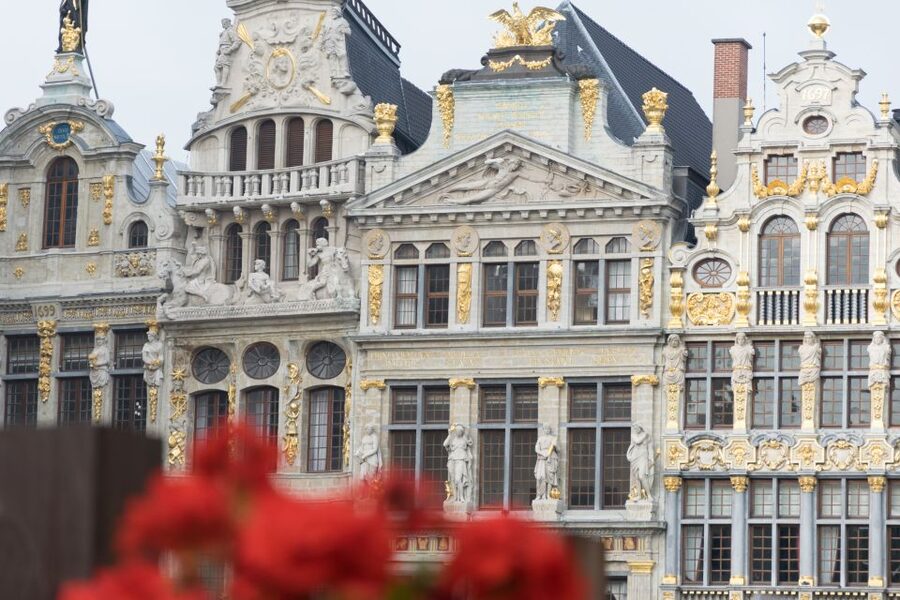
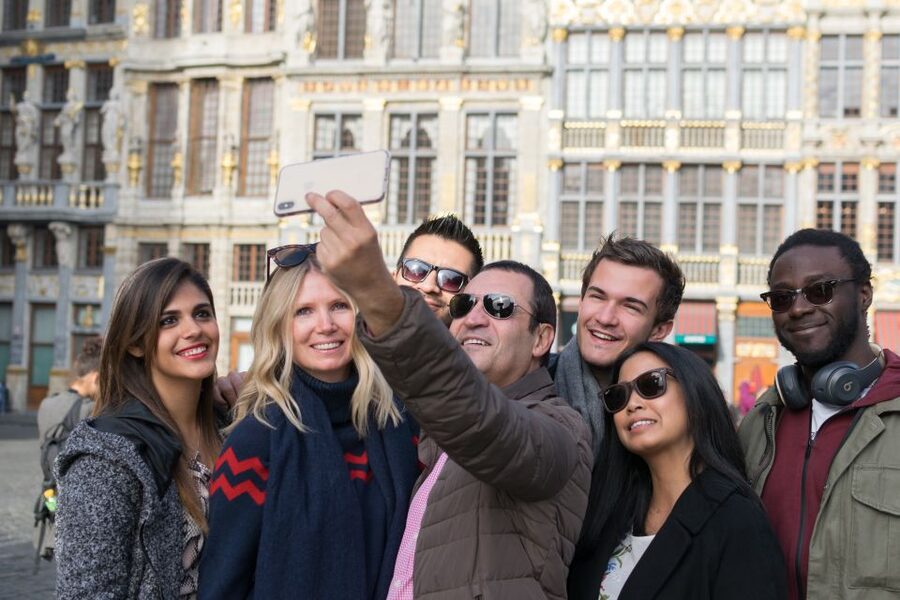
This tour’s Lower City segment is designed to get your bearings fast, without turning into a checklist. You begin at the Grand Place, the central square where Brussels feels instantly legible. Even if you only have a short time, the guide’s job is to connect what you see to how the city grew, and that is where the walk becomes more than sightseeing.
From there, you head to Manneken Pis, the famous bronze landmark. It’s small in size, but huge in cultural weight, and the guide’s commentary helps you understand why something so iconic matters in a city full of bigger buildings. Then you move on toward Saint-Géry island, once described as the largest island in the Senne river. That detail is a smart way to make the geography real, because it explains why certain parts of Brussels developed the way they did.
Next comes a sequence of classic squares: St. Catherine square, then De Brouckère and Monnaie squares. These aren’t random stops. They act like visual anchors in your mind. When you later wander on your own, you’ll be able to orient by place names, not just street names. And that is a real upgrade, because Brussels rewards walking, and orientation makes walking feel effortless.
One small practical note: squares mean open outdoor spaces, and your comfort depends on weather. If it’s chilly or rainy, plan to move quickly between photo stops and pay attention to where you can duck into covered arcades later.
How the federal opera house and Royal Galleries change the mood
A turning point in the Lower City stretch is when you reach the federal opera house of Belgium area. Even from the outside, it helps you shift from street-level landmarks to Brussels as a cultural capital, not just a city of photos. The guide’s explanation around the cultural life theme is where the tour earns its keep, because you start to see connections between architecture, public spaces, and how residents spend time.
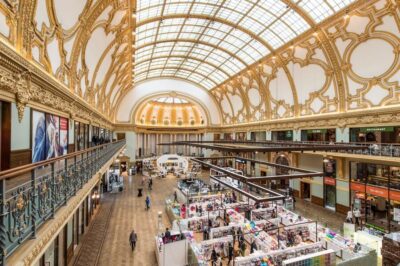
Then you end at the Saint-Hubert Royal Galleries, described as an ensemble of glazed shopping arcades. This is a strong way to close the Lower City portion. The galleries are naturally made for lingering, and their covered setting is perfect for a reset if you’ve been outside for a while. You get an easy transition point: either continue exploring on foot or grab a snack and recharge.
This ending location also supports the tour’s educational hooks. When the guide talks about chocolate and Belgian beers, you are close to places where those themes feel tangible. Even though drinks and meals are not included, the route is planned so you can keep the spirit going right after your guided time ends.
Upper City lift: St. Michael and St. Gudula from the inside
If Lower City is about getting your bearings, the Upper City side is about perspective. You start again from the Grand Place and climb uphill toward the Cathedral of St. Michael and St. Gudula. This is the kind of stop that makes the walk feel worth the effort, because the cathedral is not only a landmark name, you also get to admire the stained-glass windows from inside.
That interior viewing matters. On a short private tour, you want at least one stop where you’re not just looking at facades. Seeing stained glass from within gives you a different layer of Brussels, one that feels calmer and more architectural. It also breaks up the walking tempo with a natural pause.
The Upper City segment then leads you toward Place des Palais, where you’ll find a royal park and palace. Even without getting lost in details, the shift in setting is clear. You go from the busy rhythm of city squares to a more formal, open, institutional feel. That contrast helps you understand Brussels as a city with multiple “faces,” not just one historic center.
Museum choices near Petit Sablon and Grand Sablon
The final stretch of the Upper City part is a choose-your-own-flavor moment. The tour includes a stop at or near the Musical Instruments Museum, or you can pass by the Magritte museum and the Palace of Fine Arts to arrive at the Petit Sablon and the Grand Sablon.
This is valuable because Brussels is full of museums, and people differ on what they want most. If you prefer something hands-on and themed around sound and performance, the Musical Instruments Museum option likely fits your taste. If you want a more modern art angle, the Magritte museum and the Palace of Fine Arts path can steer you that way. In both cases, Petit Sablon and Grand Sablon are a satisfying finish area because they anchor the last part of the walk with recognizable place names.
One practical consideration: museum entry isn’t listed as included. That means you may need tickets if you want to go inside a museum beyond what the guide shows from outside or at a quick pass-by. The guide can still point you to the right direction, but you should budget for any ticketed visits you choose to add.
Other Belgian cities done end to end
What you actually learn: Art Nouveau, beer, and chocolate, tied to places
The highlights say you’ll learn about Art Nouveau, Belgian beers, and chocolate. On a tour like this, those topics work best when they are connected to what you see, not treated like random trivia. That’s what you should look for in a guide, and the guide style associated with strong feedback is clearly the one that blends city development and cultural stories.
Here’s how those topics help you as a visitor:
- Art Nouveau gives you a lens for reading building details while you walk. Instead of treating architecture as background, you start noticing styles and design choices in the places you pass.
- Belgian beers turns the city’s reputation into something local. Even without a tasting included, the guide’s context makes it easier to choose a beer later that matches what you like.
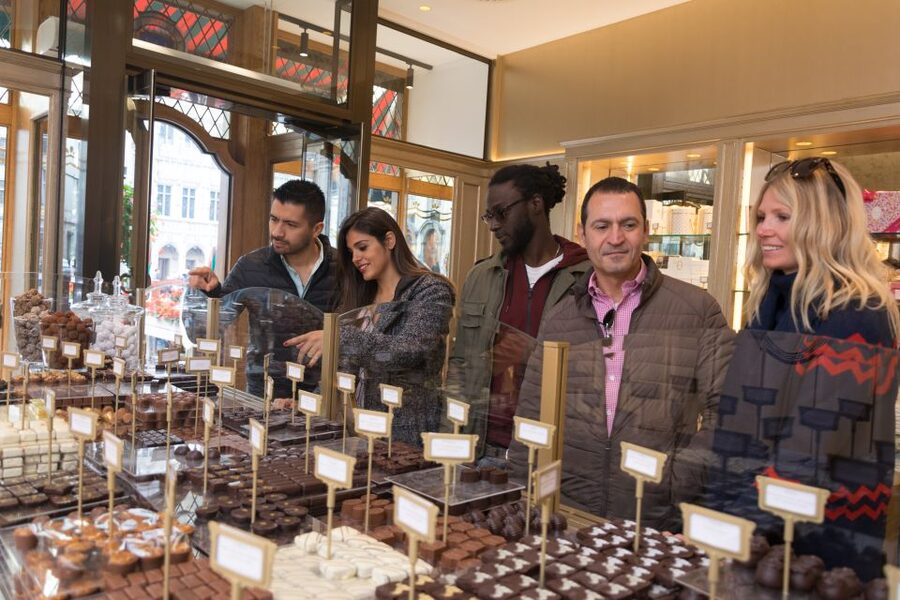
- Chocolate does something similar. It stops chocolate talk from being generic and helps you make smarter choices once you’re in shops, especially if you’re comparing styles or strengths.
You also get the bigger-picture narrative, the origins and historic development of Brussels, split across Lower City and Upper City. That structure is more useful than one long storyline. You remember the city as two connected layers, and that makes self-guided exploring afterward much simpler.
Private group value: $353 per group up to 20
Let’s talk value, because private tours can either feel pricey or genuinely efficient. This one is listed at $353 per group up to 20 people, with a professional guide included. That pricing is the big reason this can work well for families, small friend groups, or anyone traveling with a mix of ages and interests.
To make it practical, here’s the rough math if the entire group price applies:
- 2 people: about $176.50 per person
- 4 people: about $88.25 per person
- 6 people: about $58.83 per person
- 10 people: about $35.30 per person
- 20 people: about $17.65 per person
As always, the per-person value gets better as group size rises. If you’re traveling solo or as a couple, the cost may feel harder to justify unless you truly want a guided breakdown of both Lower and Upper City in one session.
Also consider what you do and do not get. Tickets to museums are not included, and drinks and meals are not included. So your money is mostly paying for the guide and route planning, not for museum admissions. If you plan to add extra indoor stops, bring that into your budget.
Logistics that actually affect your experience
This tour is described as private, wheelchair accessible, and with pickup possible from your Brussels hotel. That matters more than most people think. A hotel pickup can save time and reduce stress, especially if you land in Brussels and need your day to feel organized from the start.
The tour runs for 3 hours, but the route description references Lower City and then continuing in the afternoon. That’s worth treating as a prompt to confirm your exact time slot and what’s included in your specific scheduling. When a tour has a structured start and end, you want to know how much of each section you’ll experience within your booked duration.
Group size is also capped: tours are limited to 25 participants per group, and the price is for a group up to 20. In practice, that should keep the experience feeling personal, and it supports questions along the way.
Language options are excellent: Spanish, Dutch, English, French, German, Italian, Russian, Portuguese. If you’re traveling with someone who struggles in English, this is a real plus.
And for guide quality, feedback connected to two guide names stands out: Emil is praised for balancing different stages of the city’s development, and Boeykens is praised for keeping the group in good spirits even when weather turns cold. That tells me the best-guided versions of this tour focus on storytelling plus momentum, not standing around with a lecture voice.
Who should book this tour, and who should look elsewhere
Book it if you:
- Want a short guided way to understand Brussels as Lower City plus Upper City
- Appreciate architecture and city planning stories, not just landmarks
- Like the themes of Art Nouveau, Belgian beers, and chocolate and want context for them
- Prefer a private guide and possible hotel pickup
You might skip it or compare options if:
- You only want one area of Brussels and prefer slower wandering with no structure
- You expect museum admissions to be included
- Your schedule is strict enough that any overlap between morning and afternoon wording could cause confusion, since the itinerary description includes an afternoon continuation
If you do book, wear comfortable shoes. You’ll be moving between multiple squares and climbing toward the cathedral, and Brussels streets are best enjoyed when you’re not thinking about your feet.
Should you book this Brussels Upper and Lower City private tour?
Yes, if you want smart orientation and cultural context in a short window. The best part is the structure: Lower City landmarks that help you anchor the map, then the Upper City climb to a cathedral interior, and finally museum options leading you into the Sablon area. Add in a private professional guide, multilingual service, and a hotel pickup possibility, and this is a practical way to understand Brussels without spending your whole day commuting between neighborhoods.
If your group is small, price value depends on whether you truly want both city layers guided rather than picking one area and self-exploring. If you’re with a few friends or family, the per-person cost drops fast, and it becomes a very efficient use of time.
More Belgian Tours
Every Belgium Review
More Ways to See Brussels
Newer Belgium reviews from the same corner of the country
- Discover the secrets of Brussels while playing
★ 5.0 · 3 reviews - Standard vehicle from Charleroi airport to city of Brussels
★ 4.5 · 3 reviews - Private tour to Ghent from Brussels (5hours walk & drive)
★ 5.0 · 3 reviews - Full day Brugge & Ghent: the gems of Flanders
★ 5.0 · 3 reviews - Private tour : Best of Brussels half day From Brussels
★ 5.0 · 3 reviews
Brussels Tours, side by side.
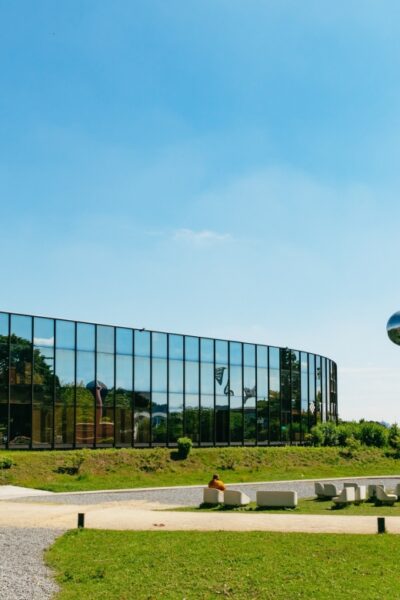 ★ 4.4Brussels: Atomium Entry Ticket with Design Museum TicketFrom $199,254 reviews
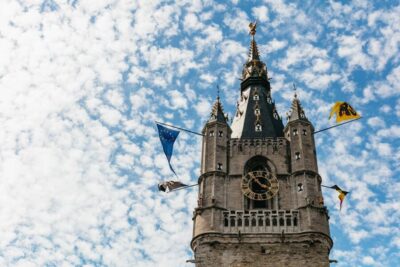 ★ 4.6From Brussels: Guided Day Trip to Bruges and GhentFrom $558,353 reviews
 ★ 4.7From Brussels: Bruges & Ghent Day Tour – 2 Fairytale CitiesFrom $578,242 reviews
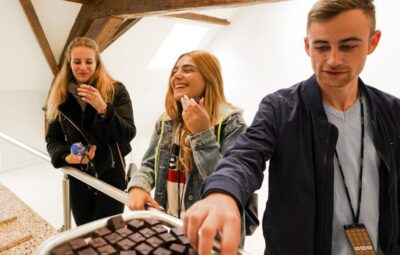 ★ 4.3Choco-Story Brussels: Chocolate Museum Entrance with TastingFrom $184,883 reviews
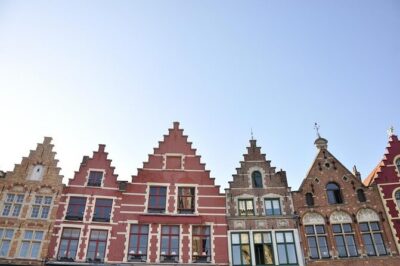 ★ 4.0Bruges and Ghent – Belgium’s Fairytale Cities – from BrusselsFrom $594,809 reviews
 ★ 4.0Brussels: Hop-On Hop-Off Bus TourFrom $294,016 reviews
 ★ 4.5Brussels: Entry Ticket to Mini-EuropeFrom $232,870 reviews
 ★ 5.0Hungry Mary’s Famous Beer and Chocolate Tour in BrusselsFrom $1192,258 reviews
Browse the lists this tour appears in