
REVIEW · BRUSSELS
Brussels Private Walking Tour With A Professional Guide
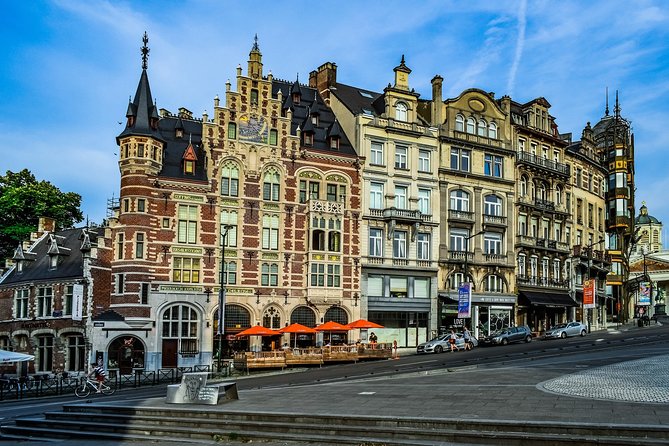
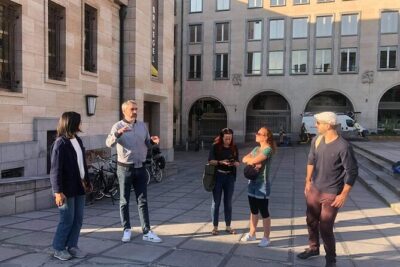
Brussels rewards a slow walk. In about two hours, this private guided stroll takes you through Grand Place Gothic drama and the quirky fame of Manneken Pis, with a real local guiding you along the way. I like that you get a group-only experience, so you can ask questions, pause, and even tweak the route on the spot. The main drawback is simple: two hours moves quickly, so it may feel tight if you want to linger in every church, doorway, and photo spot.
What makes it especially worth it is the guide factor. In my notes from people who did it, guides like Jurgen and Rudy get praised for being fun, informative, and easy to talk with. You start at Grand Place, and you finish back there, which makes the day plan easier. You also get a mobile ticket, and the tour runs near public transportation, so you are not stuck far from transit.
In This Review
- Key points that make this Brussels walk worth your time
- Why a private 2-hour walk is the smart play in Brussels
- Price and value: is $292.54 per group actually fair?
- Where the tour starts: Grand Place as your anchor point
- Grand Place stop: Gothic architecture and the “meeting point” story
- WWII-survivor shopfronts and buildings you can still read
- Cathedrals and churches: architecture mix in the medieval Brabant era
- Manneken Pis: the landmark, plus the story behind the joke
- Brussels as Europe’s capital: EU institutions explained through the city
- How customization works with a local guide in real time
- Getting the most out of your two-hour walk
- Who this Brussels private tour is best for
- Should you book this Brussels Private Walking Tour?
- FAQ
- Where does the tour start and end?
- How long is the private walking tour?
- How much does the tour cost?
- What is included with the tour?
- Are entrance fees included?
- What if the weather is bad or I need to cancel?
Key points that make this Brussels walk worth your time
Private, just your group so the pace stays comfortable and questions get answered
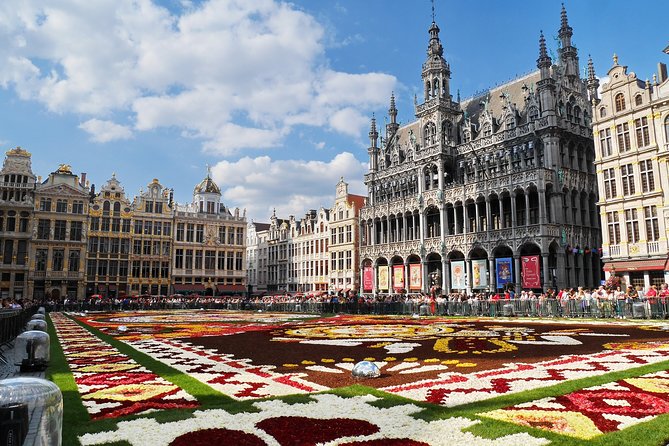
Grand Place first-class scenery with Gothic architecture and the city’s big “meeting point” story
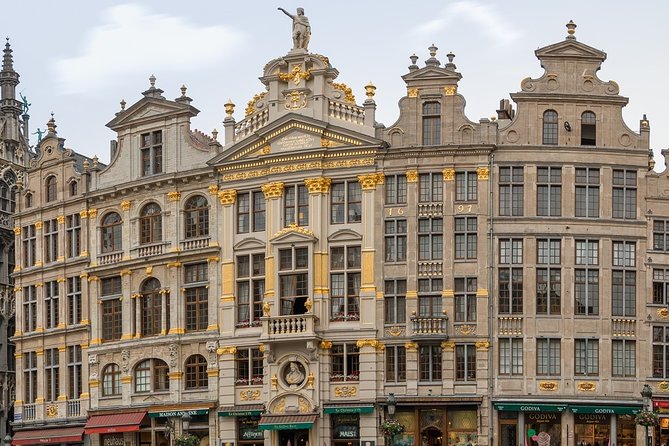
WWII-survivor buildings and shopfronts so the old city feels lived in, not just postcard-old
Manneken Pis with context so the landmark turns into a story, not a quick photo
Brussels as Europe’s capital in street-level terms with EU institutions explained through the city
Two hours, focused route ideal for first-time orientation, but not enough for every detour you might want
Brussels has more to it than one route
- Brussels: Atomium Entry Ticket with Design Museum Ticket★ 4.4 · 9,254 reviews
- From Brussels: Guided Day Trip to Bruges and Ghent★ 4.6 · 8,353 reviews
- From Brussels: Bruges & Ghent Day Tour – 2 Fairytale Cities★ 4.7 · 8,242 reviews
- Choco-Story Brussels: Chocolate Museum Entrance with Tasting★ 4.3 · 4,883 reviews
Why a private 2-hour walk is the smart play in Brussels
Brussels can feel like three cities stacked together: historic core, European capital, and everyday local street life. This tour fits that reality by packing the most useful highlights into a short time window. It is built for getting your bearings fast, especially if your schedule is tight or you want a guided path before you branch out on your own.
What I really like is the practical format. You have a professional local guide with you the whole time, and you are not waiting in a big crowd where half the group is always lagging. Because it is private, your group can slow down for a good look at the details, or speed up if you are eager to see everything.
The trade-off is that two hours is still two hours. If you are the type who wants to step inside multiple churches or slow-walk shopping streets without checking the clock, you may end up feeling like you need more time.
Price and value: is $292.54 per group actually fair?
The price is $292.54 per group, up to 15 people, for about 2 hours. That means the value depends mostly on your group size. For a small group, it can be more expensive per person than a shared walking tour. For a bigger group, it becomes a very solid deal, because the cost stays flat while you get individualized attention.
I think the value is strongest when you care about two things: (1) understanding what you are looking at and (2) tailoring the route to your interests. The tour includes a local guide only for your group, plus on-the-spot customization with your guide. That combination can save you time later, because you are not wandering aimlessly trying to connect the dots between the square, the churches, and the city’s modern European role.
One more practical point: entrance fees are not included. So if you want to go inside any sights that charge admission, you will need to budget separately. The walking portion itself is still where most of the value lives, since you are learning the story of the streets while you move.
Where the tour starts: Grand Place as your anchor point
You begin at Grand-Place de Bruxelles, and the experience ends back at the meeting point. That matters more than it sounds. Starting and finishing in the same place makes your day easier, because you can plug the tour into almost any itinerary, then head straight to dinner or another stop nearby.
Grand Place is also the best possible starting anchor. You get the city’s “center of gravity” right away, including its Gothic architecture. And because your guide frames Brussels as a long-standing meeting point for diverse cultures, Grand Place becomes more than a pretty square. It turns into a way to understand why the city looks the way it does, and how it keeps attracting different communities.
If you are visiting in less-than-perfect weather, the short duration helps. You are not committing to a half day outdoors just to get the essentials. Still, the tour depends on good weather, so if it is truly awful, you might be offered a different date or a refund.
Grand Place stop: Gothic architecture and the “meeting point” story
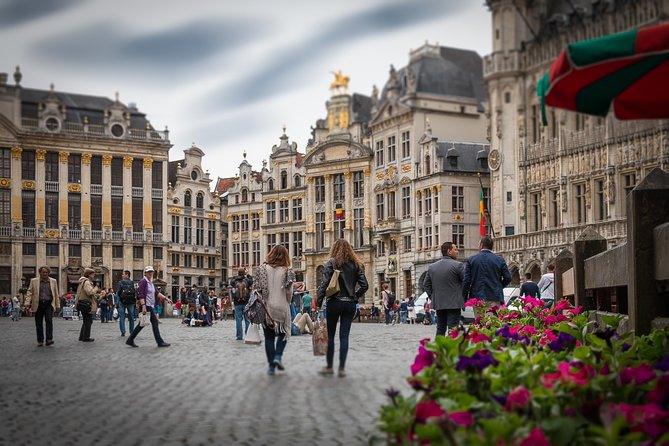
Expect to spend real time here, not just a quick photo and move on. Grand Place is your first deep breath of Brussels. Your guide points out the Gothic architecture, and then ties it to the city’s identity over time.
One of the more interesting angles is how your guide explains the meaning behind the city’s name, as the idea of a meeting point for diverse cultures in Europe. In practice, you will hear how Brussels became cosmopolitan, where multiple languages and cultures are heard street by street. That framing makes the square feel less like a monument and more like a living hub.
I also like that this part helps you connect later sights. When you start with Grand Place, it becomes easier to understand why the buildings and churches elsewhere in the center feel connected, even when architectural styles shift.
A small consideration: if your goal is only selfies, you might feel the guide spends too long on explanation. If your goal is to understand what you are seeing, this is exactly the right opening move.
Belgium reads best on foot, here is more of it

WWII-survivor shopfronts and buildings you can still read
Brussels has scars you can walk past without noticing at first glance. One of the standout themes in this tour is seeing historic shopfronts and buildings that have withstood two world wars. Your guide uses that to bring the center of Brussels into sharper focus.
Instead of treating the city as frozen in time, you get a sense of continuity. The structures you see are not just old, they are survivors, and your guide connects those survivorship stories to why the city’s core still feels recognizable.
This is one of those “hidden in plain sight” benefits. Even if you are not the museum type, you will learn how everyday streets and storefronts carry major historical weight. And when you notice it, you stop walking through the city like it is scenery and start walking through it like it is evidence.
The drawback is also practical: with only around two hours, you might not get every street-level detail you would like. Your best strategy is to listen, then keep your eyes open afterward. If something catches your attention, ask your guide whether you should circle back on your own.
Cathedrals and churches: architecture mix in the medieval Brabant era
Your route includes stories about grand cathedrals and also churches nearby, and you will see how different architectural styles sit side by side. Your guide links it to Brussels as the former capital of the medieval Duchy of Brabant.
I like this approach because it gives you a way to interpret the “why” behind the look of things. Instead of just naming styles, you get the sense of how power, religion, and civic pride shaped the built environment. In a compact city like Brussels, that matters, because you often see layers next to each other.
If you are a first-timer, this is also when you learn the city’s rhythm. You start to understand that the center is not one uniform theme. It is a mix of eras and functions, sometimes only a few minutes apart on foot.
If you care deeply about architecture, you will probably want more time than two hours. Still, even with a shorter tour, you leave with a framework that helps you enjoy what comes next, whether that is another guided activity or independent wandering.
Manneken Pis: the landmark, plus the story behind the joke
Yes, Manneken Pis is famous. But the payoff here is how your guide explains it. You do not just stop for a quick photo. You hear stories about the landmark that make it feel more meaningful than a quirky statue.
This is where a good guide earns their paycheck. When someone like Jurgen or Rudy leads the walk, you get explanations that connect the icon to Brussels identity. It becomes a point in the city’s conversation, not an isolated piece of trivia.
I recommend using this stop as your “reset moment.” After you have been learning about history, architecture, and European identity, Manneken Pis gives you a human, slightly playful brake. Even if you have no patience for explanations, you will likely enjoy this part because it mixes story with local character.
Time note: because the tour is about two hours, you may not have time for a long linger. If you want extended photos and checking out anything around the statue, keep your expectations realistic or ask your guide if you can add a bit of extra time there.
Brussels as Europe’s capital: EU institutions explained through the city
Brussels today is not only old buildings and chocolate shops. Your guide explains its important international role, including that the city is home to the European Commission and to the Council of ministers of the European Union.
What I like is that this is not treated as a distant fact. You are learning it while you walk, which makes it stick. You can look around and understand how Brussels balances a medieval center with modern institutions and international politics.
This makes the tour a strong match for people who want more than “tourist highlights.” If you have a connection to Europe’s politics, if you have business here, or if you just like understanding why a city is important, this part gives you context.
One consideration: if your main interest is purely architecture and local streets, you might wish the tour spent more time on the European institutions themselves. The walking focus stays on the city center experience, so think of it as a guided orientation with big-picture context, not a full political tour.
How customization works with a local guide in real time
One of the biggest strengths here is that the tour is totally customizable. Your guide can adjust things on the spot based on what your group wants to see. That is not just marketing copy. In practice, customization is what turns a standard highlights loop into a day that feels personal.
When people praise the experience, they often mention guides who are easy to follow and engaging. That matters because customization depends on your guide understanding your interests and communicating clearly while you walk.
A smart way to use customization is to choose two priorities before you start. For example, you might say you want extra time on the square and churches, or extra focus on the landmark stops like Manneken Pis. Then you keep the rest flexible. That way, you get your must-sees without losing the value of the guide’s planned flow.
Just remember the clock. With a short tour, customization is best for shifting emphasis, not for turning it into a full-day circuit.
Getting the most out of your two-hour walk
If you want this to be a “first day” win, I suggest arriving ready to walk and ready to ask questions. The guide can only work with what you care about, so be direct. If you want explanations about architecture, ask. If you want context about Brussels today versus centuries ago, ask.
Also, treat it like orientation. After the tour, you will likely know where to go next and why. You will be able to spot patterns in the streets and understand which buildings matter and which ones are just along for the ride.
Plan for weather. The experience requires good weather, and if conditions force changes, you will be offered a different date or a full refund. That is another reason two hours is such a practical duration.
Finally, pack light curiosity. Brussels is full of small details, including shopfronts and façades that can look similar until you know what to look for. Your guide sets that lens early, so you notice more without needing extra time.
Who this Brussels private tour is best for
I think this tour is a great fit for people who want a high-quality overview of central Brussels without spending half a day. It is especially good for first-timers who want the story behind the main stops, not just a checklist of attractions.
It also works well for groups who want control. Because it is private and only your group participates, you can keep the pace comfortable and adjust in real time. If you are traveling with family, friends, or mixed ages, that flexibility can be the difference between everyone enjoying it and everyone counting minutes.
It might be less ideal if you want nonstop activity. This is a guided walking experience with explanation, so if you prefer silence and self-guided wandering, you may want to consider a different style of tour.
Should you book this Brussels Private Walking Tour?
If you like guided context and you value time, I would book it. The mix of Grand Place Gothic detail, WWII-survivor buildings, cathedral and church stories, and Manneken Pis with meaning gives you a strong central Brussels orientation in about two hours. And if you get a guide like Jurgen or Rudy, the storytelling side is one of the best parts.
I would only hesitate if you know you want to linger a lot or you want a deeper dive into interiors. The tour duration is short, entrance fees are not included, and you will likely finish wanting one or two more stops.
If you are deciding, use this rule: book it when you want to understand Brussels fast, and book something longer when you want to slow down.
FAQ
Where does the tour start and end?
The tour starts at Grand-Place de Bruxelles (Grand Place) and ends back at the same meeting point.
How long is the private walking tour?
It lasts about 2 hours.
How much does the tour cost?
The price is $292.54 per group, up to 15 people.
What is included with the tour?
You get a local guide who stays with your group only, plus a private guided tour. Your guide can also customize the experience on the spot.
Are entrance fees included?
No. Entrance fees are not included.
What if the weather is bad or I need to cancel?
The experience requires good weather. If it is canceled due to poor weather, you are offered a different date or a full refund. You can also cancel for free up to 24 hours in advance for a full refund.
More Belgian Tours
Every Belgium Review
More Ways to See Brussels
Newer Belgium reviews from the same corner of the country
- Discover the secrets of Brussels while playing
★ 5.0 · 3 reviews - Standard vehicle from Charleroi airport to city of Brussels
★ 4.5 · 3 reviews - Private tour to Ghent from Brussels (5hours walk & drive)
★ 5.0 · 3 reviews - Full day Brugge & Ghent: the gems of Flanders
★ 5.0 · 3 reviews - Private tour : Best of Brussels half day From Brussels
★ 5.0 · 3 reviews
Brussels Tours, side by side.
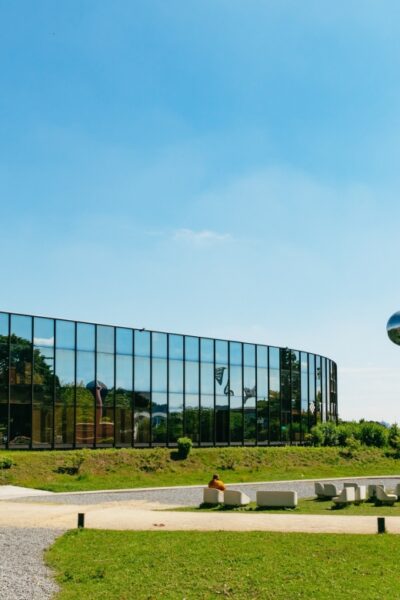 ★ 4.4Brussels: Atomium Entry Ticket with Design Museum TicketFrom $199,254 reviews
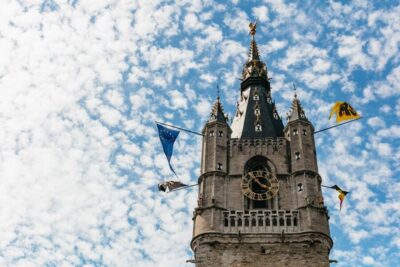 ★ 4.6From Brussels: Guided Day Trip to Bruges and GhentFrom $558,353 reviews
 ★ 4.7From Brussels: Bruges & Ghent Day Tour – 2 Fairytale CitiesFrom $578,242 reviews
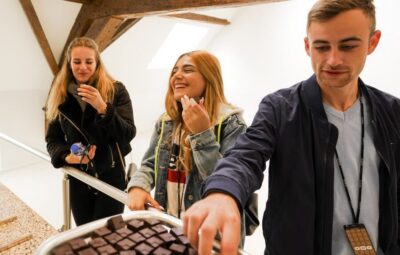 ★ 4.3Choco-Story Brussels: Chocolate Museum Entrance with TastingFrom $184,883 reviews
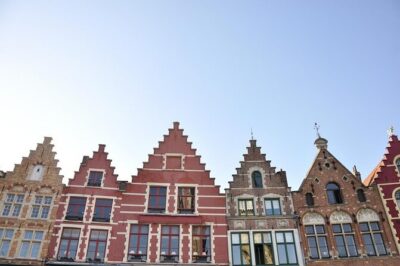 ★ 4.0Bruges and Ghent – Belgium’s Fairytale Cities – from BrusselsFrom $594,809 reviews
 ★ 4.0Brussels: Hop-On Hop-Off Bus TourFrom $294,016 reviews
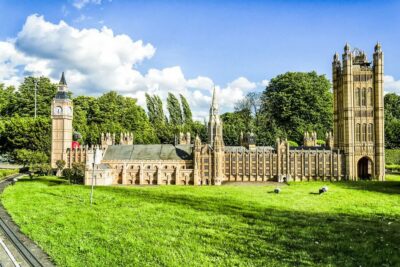 ★ 4.5Brussels: Entry Ticket to Mini-EuropeFrom $232,870 reviews
 ★ 5.0Hungry Mary’s Famous Beer and Chocolate Tour in BrusselsFrom $1192,258 reviews
Browse the lists this tour appears in