
REVIEW · BRUSSELS
Brussels Walking Tour with Guide plus PDF
Brussels can feel like a maze at first. This walk makes it make sense fast, with a guide who connects monuments to the city’s everyday stories. You start right at the Grand Place area and move through icons, art, and architecture without wasting time.
I especially like the tour’s tight 2.5-hour loop and the way it mixes major sights with short, useful context. Another big plus for me is the focus on practical orientation across the center, so you know what you are looking at before you move on.
One thing to consider: most stops are exterior-only. If you’re hoping for lots of inside visits beyond the one church, this won’t fully satisfy that itch.
In This Review
- Key takeaways
- A 2.5 Hour Guided Loop Through Brussels Essentials
- Price and Value: Why $3.62 Feels Almost Too Good
- Grand Place and Everard t’Serclaes: Start With the Big Stage
- Hotel Amigo, Tintin Mural, and Manneken Pis: Icons With Stories You Can Remember
- Hotel Amigo and the name origin
- Tintin mural
- Manneken Pis
- Notre-Dame des Victoires au Sablon: The Interior Moment Worth Planning For
- Petit Sablon, Egmont and Hornes, and Koningsplein: History Through the Streets
- Mont des Arts for Photos, Central Station for Reality, and Cathedral Exteriors
- Mont des Arts
- Brussels Central Station
- St. Michael and St. Gudula Cathedral
- Royal Galleries Saint-Hubert and Neuhaus: Finish in the Best Possible Way
- What Comes With You: PDF Guide and Leopold II Infographic
- How to Get the Most From a 25-Person Walk in English
- Who This Tour Fits Best (and Who Might Want Something Else)
- Booking Sense: When Low Price Meets Smart Advice
- Should You Book This Brussels Walking Tour With Guide?
- FAQ
- How long is the Brussels walking tour?
- What is included in the tour price?
- Are there entrance fees at the stops?
- Where does the tour start and end?
- What language is the tour offered in?
- Do I need to tip the guide?
Key takeaways
- Grand Place as your starting compass, then quick stops that add meaning instead of just photos
- Entertainment meets history at places like the Tintin mural and the Manneken Pis area
- One real interior moment at the Notre-Dame des Victoires au Sablon church (included)
- Photo-friendly timing built into stops like Mont des Arts
- A clear look at Belgian rail function at Brussels Central Station, not just a pretty building
- A usable PDF plus a Leopold II infographic so the walk keeps paying off later
Brussels has more to it than one route
- Brussels: Atomium Entry Ticket with Design Museum Ticket★ 4.4 · 9,254 reviews
- From Brussels: Guided Day Trip to Bruges and Ghent★ 4.6 · 8,353 reviews
- From Brussels: Bruges & Ghent Day Tour – 2 Fairytale Cities★ 4.7 · 8,242 reviews
- Choco-Story Brussels: Chocolate Museum Entrance with Tasting★ 4.3 · 4,883 reviews
A 2.5 Hour Guided Loop Through Brussels Essentials
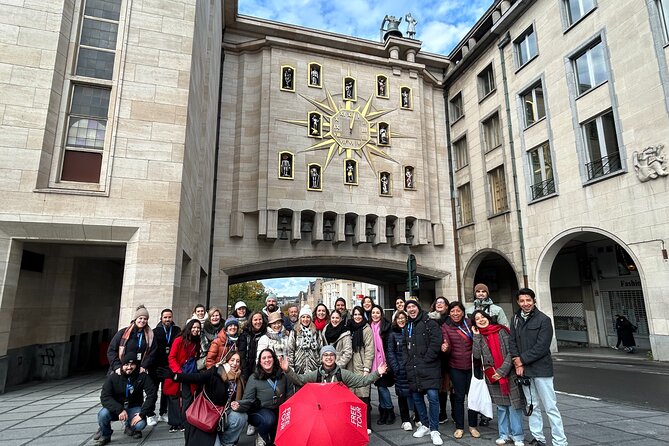
This is a 2 hours 30 minutes walking tour that stays mostly in the heart of Brussels. The rhythm is intentional. You get a headline sight, a little story, then you move on before the day turns into wandering.
At the start, you’re placed near the center of gravity. The meeting point is Grand Place 30, 1000 Bruxelles, in front of the Neuhaus chocolate shop (listed as Nehuaus). You end at Galerie du Roi 3, 1000 Bruxelles, near the Royal Galleries area.
The group size is kept to a maximum of 25 travelers, which matters. It means the guide can keep things lively and still manage pacing. It’s also offered in English, and there’s a mobile ticket for easier day-of pickup. Most travelers can participate, and service animals are allowed.
My practical tip: you’re walking. Plan on comfortable shoes, and keep your phone charged for photo stops. Brussels weather can change quickly, so a light layer helps.
Price and Value: Why $3.62 Feels Almost Too Good
The headline price is $3.62 per person, which is a low number for a guided, 12-stop style walk. Even better, many parts of the sightseeing are designed as free admission stops, so you are not getting forced into ticket purchases just to keep moving.
What you actually pay for is the guide’s work: explanations at each landmark plus a PDF Brussels/Belgium you can use after the walk. You also get a Leopold II infographic, which is a nice shortcut for placing a big historical name in your mental map without hunting for extra context on your own.
Two more value points:
- The tour includes free entry to the Church of Notre-Dame du Sablon area visit (the Notre-Dame des Victoires au Sablon interior stop).
- The pace is structured, so you spend less time figuring out where to go next and more time looking.
One consideration on cost: the tour doesn’t include tips. The suggested tip range is 10 to 25 euros for the guide. If you love what you get, that’s your chance to make it worth it for the person doing the storytelling.
Grand Place and Everard t’Serclaes: Start With the Big Stage
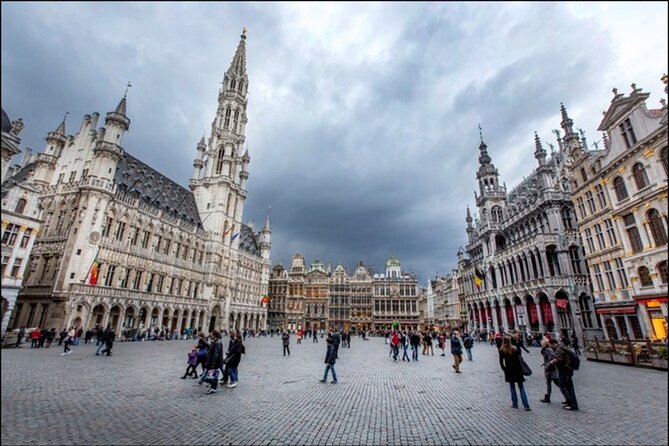
You begin at Grand Place, where the guide gives an exterior explanation. Even if you’ve seen photos before, being there in person changes things. Grand Place reads like a stage set, and the explanation helps you notice details you’d otherwise miss.
This first stretch is a classic case of “getting oriented.” Your brain is still settling, so it’s a good time to learn the main patterns: what makes the buildings feel unified, why this square is central to the city’s identity, and how the stories connect.
Then the route shifts to Monument a Everard t’Serclaes. It’s a shorter stop, just about five minutes, focused on the statue and quick context. I like these micro-stops. They keep the tour from turning into one long lecture and give you a mental bookmark between major sights.
Possible drawback: because these are quick stops, you’ll want to be ready with your questions. If you’re shy, just listen closely and take notes in your phone. The guide’s anecdotes are meant to stick.
Hotel Amigo, Tintin Mural, and Manneken Pis: Icons With Stories You Can Remember
From the formal power of Grand Place, you move into Brussels charm and pop culture.
Belgium reads best on foot, here is more of it

Hotel Amigo and the name origin
You’ll get an explanation at Hotel Amigo, a Rocco Forte property. The stop is brief, but it’s smart. A hotel name seems minor until you learn how a place gets labeled, and that’s when it starts feeling like part of the city, not just a building you pass.
Tintin mural
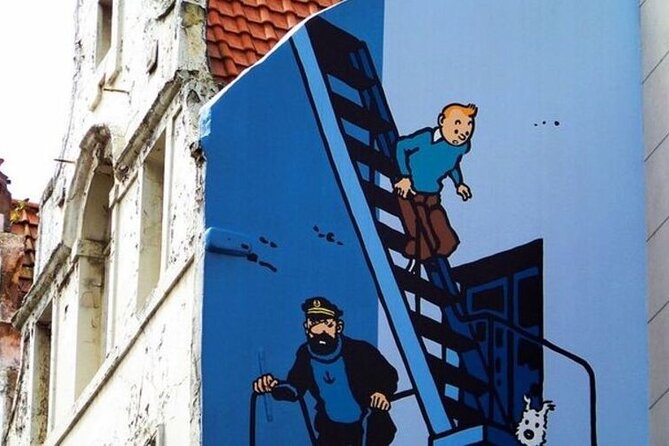
Next is the Tintin mural painting. This is one of those stops that makes the city feel personal. You’re not just looking at “a wall with art.” You’re learning how comics live in real street life in Brussels, which helps if you like the idea of travel as observation, not just sightseeing.
Manneken Pis
Then comes Manneken Pis. The guide gives you time to take it in, and you get roughly 15 minutes here. The “little pissing boy” is famous for a reason, and the guide’s framing helps you see it as more than a quirky postcard.
Practical note: Manneken Pis is popular. You’ll want to plan for a bit of crowd shuffle and keep your camera ready. If you arrive when people are repositioning, wait a moment so you get clean photos without pushing.
Notre-Dame des Victoires au Sablon: The Interior Moment Worth Planning For
Not every stop is inside. This tour does one interior visit, and it’s a meaningful one.
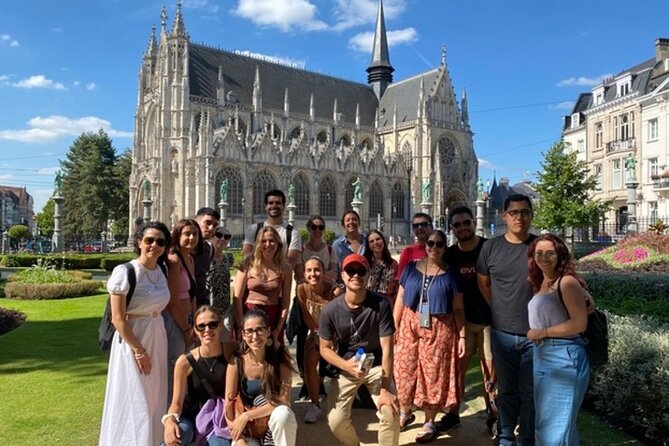
You’ll visit Église Notre-Dame des Victoires au Sablon with a free interior visit included. It’s scheduled for about 15 minutes, so it’s not a long church crawl. But it is enough time to appreciate the space and understand why this area matters.
Why I like this stop: it balances the walking-heavy format. All day you are absorbing exterior architecture, street symbols, and city landmarks. Then you step inside, and the tour gives you a change of pace.
What to watch for: churches can have rules about quiet and phone use. Keep it respectful, and don’t expect deep access beyond what’s open to visitors.
Petit Sablon, Egmont and Hornes, and Koningsplein: History Through the Streets
After the church, the tour moves into Square du Petit Sablon, where you learn the history of the Earls of Egmont and Hornes. This stop is about 10 minutes. Again, it’s not heavy on museum-style detail. It’s more about placing names into the geography, which makes your later self-guided wandering easier.
Then you head toward Koningsplein and the Beeld van Godfried van Bouillon. The guide explains the connection between this plaza area and major cultural neighbors like the Museum of Fine Arts, the Plaza Real, and the MIM.
I like that approach: you don’t just see a statue. You learn what surrounds it and what types of places you could visit next. It’s the kind of context that saves you from aimless searching later.
Mont des Arts for Photos, Central Station for Reality, and Cathedral Exteriors
This is where the tour broadens from “pretty places” into “this is how Brussels functions.”
Mont des Arts
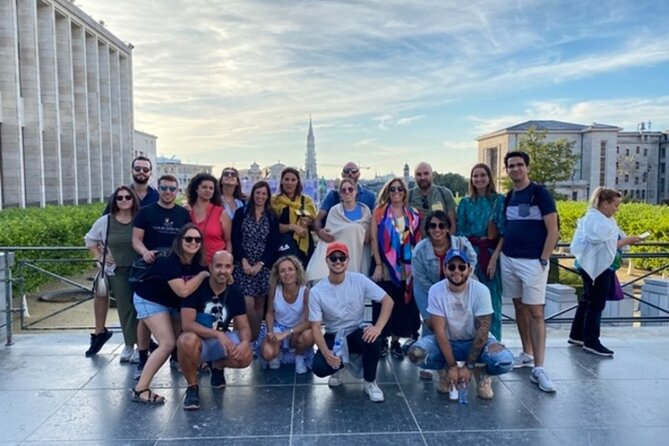
At Mont des Arts, you get an explanation plus time for photographs (about 15 minutes). The value here is the guided setup. A viewpoint is more than a viewpoint when you know what you’re lining up.
My practical advice: don’t rush your photos. Use the time to check your angle, then do a second round once you see where the light falls.
Brussels Central Station
Next is Brussels Central Station, with about 10 minutes for explanation. The focus is on the train operation in Belgium. You may have traveled in Europe before, but rail systems often still feel like a puzzle when you arrive in a new city.
This is a strong stop for first-timers. Even a basic explanation can help you avoid confusion later when you plan day trips.
St. Michael and St. Gudula Cathedral
Finally, you see St. Michael and St. Gudula Cathedral from the outside only. The tour mentions explanation without interior visit, so plan for exterior views and story context rather than a long interior experience.
The cathedral works well as a closing “big architecture” note. It gives you a last moment of scale before you transition into the shopping and snack zone.
Royal Galleries Saint-Hubert and Neuhaus: Finish in the Best Possible Way
The last stretch is designed for comfort. You end in the Royal Galleries area, walking into Les Galeries Royales Saint-Hubert for an explanation of the Royal Galleries themselves.
You also get a note about the Neuhaus chocolate shop. This is a great finish because it turns the last part of your walk into something hands-on. If you want a final Brussels souvenir that’s easy to enjoy right away, chocolate is an obvious winner.
Timing tip: end-of-tour areas can get busy. If you want quiet photos, linger slightly early. If you want chocolate, treat it like part of your travel budget and pick what you truly want, not what looks good in someone else’s photo.
What Comes With You: PDF Guide and Leopold II Infographic
This tour isn’t only day-of walking. You also receive a PDF Brussels/Belgium guide. I like this because it helps you turn a guided experience into ongoing city comprehension.
The Leopold II infographic adds another layer. Instead of letting major names float in your memory, you get a visual summary to help you understand where the name fits into Brussels. That makes future reading less frustrating.
If you’re the kind of traveler who loves to look things up later, this PDF is a smart bonus. If you’re not, it’s still useful as a checklist for where you should focus on your own next day.
How to Get the Most From a 25-Person Walk in English
A guided walk works best when you cooperate a little.
Here’s how I’d approach it:
- Arrive a few minutes early near Grand Place 30 so you are not hunting while the group starts.
- Bring a note app. The guide covers a lot across monuments, buildings, and street art, and short notes help you connect the dots later.
- Keep your questions ready. If there’s a topic you care about, say it early and let the guide aim their storytelling.
- Plan your shoe game. You’ll be on city sidewalks, and the tour is paced for walking flow.
The tour is offered in English and runs in a max 25 group, which makes it more manageable than giant city bus tours. If you prefer conversation style history instead of lecture mode facts, this format should feel right.
Who This Tour Fits Best (and Who Might Want Something Else)
This walk is ideal if you:
- Want high value for low cost and don’t want to spend your whole day planning
- Like a mix of major sights and quick story stops
- Want one interior church visit without making the day too long
- Are arriving for the first time and want fast orientation in Brussels
It might not be perfect if you:
- Want multiple interior museum-style stops. This tour keeps interiors limited, with the key included interior being the Sablon church.
- Prefer deep, long-form explanations at one location. Many stops are short, so the tour gives context without staying forever in one spot.
Booking Sense: When Low Price Meets Smart Advice
The price is low, and the structure is efficient. I’d call it a good “first Brussels day” move, especially if you want a guided base layer before you wander.
One practical money tip: some people recommend booking directly with AdvenTours to avoid extra platform markups. If you see a similar option on different sites, it can be worth checking who you are paying and whether fees are included.
Also, remember to budget for the guide tip. If the guide delivers a lively, animated style and you enjoy the anecdotes and food-minded suggestions, 10 to 25 euros is the stated tip range.
Should You Book This Brussels Walking Tour With Guide?
I think you should book this tour if you want Brussels basics in a compact time frame and you like stories attached to real landmarks. The mix of Grand Place, Manneken Pis, the Sablon church interior, and the Royal Galleries ending is a smart route for orientation. The added PDF plus Leopold II infographic turns the walk into something you can keep using.
I’d skip it only if you’re seeking long museum visits or a lot of interior access. For everything else, it’s a solid value way to understand Brussels without losing a day to logistical guesswork.
If you’re going, wear comfortable shoes and go in ready to look up. The city will feel easier after.
FAQ
How long is the Brussels walking tour?
It runs for about 2 hours 30 minutes.
What is included in the tour price?
You get a professional guide, a PDF Brussels/Belgium, free entry to the Church of Notre Dame du Sablon, and a Leopold II infographic.
Are there entrance fees at the stops?
Most stops are listed as free entry, and the church interior stop is included.
Where does the tour start and end?
It starts at Grand Place 30, 1000 Bruxelles, Belgium, in front of the Neuhaus chocolate shop (listed as Nehuaus). It ends at Galerie du Roi 3, 1000 Bruxelles, Belgium.
What language is the tour offered in?
The tour is offered in English.
Do I need to tip the guide?
Tips are not included. The guidance is to tip the guide 10 to 25 euros.
More Belgian Tours
Every Belgium Review
More Ways to See Brussels
Newer Belgium reviews from the same corner of the country
- Discover the secrets of Brussels while playing
★ 5.0 · 3 reviews - Standard vehicle from Charleroi airport to city of Brussels
★ 4.5 · 3 reviews - Private tour to Ghent from Brussels (5hours walk & drive)
★ 5.0 · 3 reviews - Full day Brugge & Ghent: the gems of Flanders
★ 5.0 · 3 reviews - Private tour : Best of Brussels half day From Brussels
★ 5.0 · 3 reviews
Brussels Tours, side by side.
 ★ 4.4Brussels: Atomium Entry Ticket with Design Museum TicketFrom $199,254 reviews
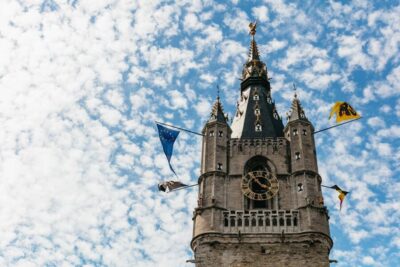 ★ 4.6From Brussels: Guided Day Trip to Bruges and GhentFrom $558,353 reviews
 ★ 4.7From Brussels: Bruges & Ghent Day Tour – 2 Fairytale CitiesFrom $578,242 reviews
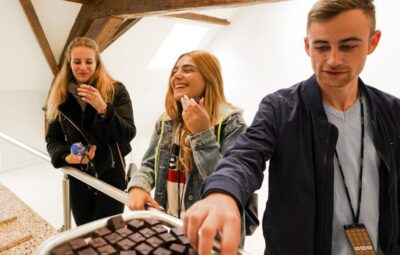 ★ 4.3Choco-Story Brussels: Chocolate Museum Entrance with TastingFrom $184,883 reviews
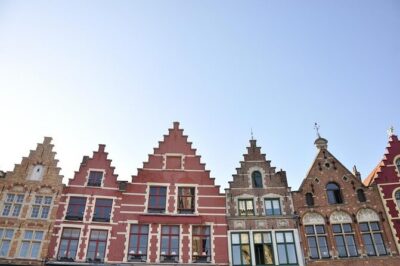 ★ 4.0Bruges and Ghent – Belgium’s Fairytale Cities – from BrusselsFrom $594,809 reviews
 ★ 4.0Brussels: Hop-On Hop-Off Bus TourFrom $294,016 reviews
 ★ 4.5Brussels: Entry Ticket to Mini-EuropeFrom $232,870 reviews
 ★ 5.0Hungry Mary’s Famous Beer and Chocolate Tour in BrusselsFrom $1192,258 reviews
Browse the lists this tour appears in