
REVIEW · BRUGES
Discover the secrets of Bruges by playing!
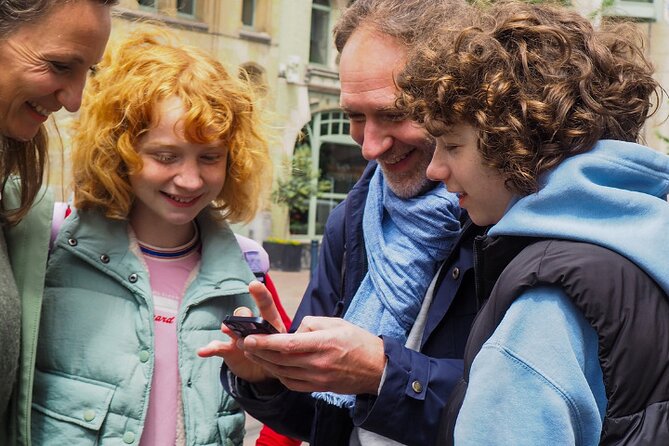
Bruges gets fun when you play. This smartphone-guided urban escape game turns a self-walk into a 2 hour puzzle route through the city, with a curious virtual character sending you on missions around both famous and lesser-seen corners. I like how the challenges push you to look closely at facades, details, and street scenes, and I also like the freedom to move at your own pace instead of rushing with a group.
One thing to consider: you bring your own smartphone and keep it powered, since a phone and battery are not included. If you want quiet, uninterrupted sightseeing with zero thinking, this style of tour may not be your best match.
In This Review
- Key things to know before you go
- Turning Bruges streets into a team puzzle walk
- Price and value for a 2-hour smartphone adventure
- Stop 1: Rozenhoedkaai (Quai du Rosaire) to start spotting clues
- Belfort: turning the city’s symbol into a brain workout
- Ten Wijngaarde beguinage: calmer streets, better problem solving
- Onze-Lieve-Vrouwekerk: puzzles paired with famous architecture
- How to pace it: finish in 2 hours or take your time
- What to bring and how to keep your phone alive
- Who this Bruges puzzle walk fits best
- Should you book this Bruges game?
- FAQ
- What is the duration of the Bruges smartphone game?
- Is the activity offered in English?
- Where does the game start and end?
- Do I need my own smartphone?
- How many people can join per group?
- What is the cancellation policy?
Key things to know before you go
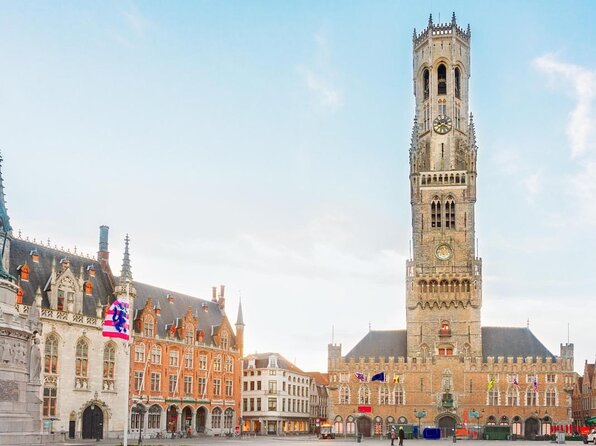
- Smartphone guide with 20+ missions that nudge you off the autopilot route
- Riddles and puzzles that reward careful attention to details
- Team play for 2 to 6 people with a private group feel
- Old Bruges landmarks plus quieter corners, so it feels like a discovery walk
- Own-pace timing, with a 2 hour finish option or a slower stroll
- Photo recap at the end, so your adventure doesn’t vanish after you solve it
Bruges again, from a different angle
- Bruges: Small Group Boat Cruise and Guided Walking Tour★ 4.8 · 4,102 reviews
- Bruges: Walking Tour, Canal Boat Trip w/Beer Tasting Option★ 4.4 · 2,759 reviews
- Historical Walking Tour: Legends of Bruges★ 5.0 · 2,541 reviews
- Bruges: Choco-Story Chocolate Museum Guided Tour w/Tastings★ 4.2 · 1,379 reviews
Turning Bruges streets into a team puzzle walk
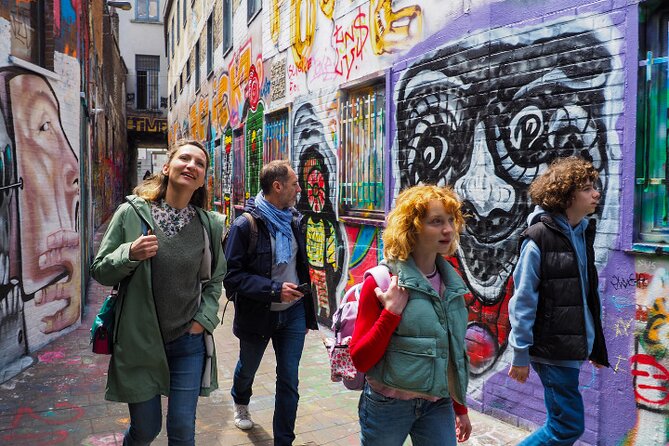
Think of this as a city stroll where your brain stays switched on. You meet your virtual character at Jan van Eyckplein, then he follows you as you move from stop to stop. Instead of a standard script, you get challenges in the form of riddles. That simple change matters, because you stop walking past the sights and start noticing them.
The game is built for small groups, 2 to 6 players, which is a sweet spot in a city like Bruges. Big tour buses can make you feel like you are in a crowd line. Here, you can talk things through, share ideas, and keep momentum without feeling trapped. And because it is private, your group sets the tone, not a random mix of strangers.
You also get control over pace. You can try to finish in around 2 hours, or you can stretch it out and take breaks as you go. That flexibility is handy if you are traveling with mixed interests, like one person who loves puzzles and another who just wants to slow down and look at canal views.
Price and value for a 2-hour smartphone adventure
At $29.79 per group (up to 6), this is priced more like a shared activity than a per-person ticket. That changes the math. If you travel in a small family or a tight group of friends, your effective cost per person can end up feeling quite reasonable compared to guided tours that charge per head.
Value is not just the sticker price. This game includes a full adventure summary with photos at the end, plus 24/7 online support while you play. You also get game validity up to 3 years, which is great if you want to repeat the experience later or if you bring this trip into a longer “repeat Bruges another day” plan.
What you should weigh is the tradeoff. You are paying for an interactive way to see the city, not for a spoken lecture by a live guide. If you love stories delivered in a human voice, you may miss that. If you like learning by doing, solving, and noticing, the format fits Bruges perfectly.
Stop 1: Rozenhoedkaai (Quai du Rosaire) to start spotting clues
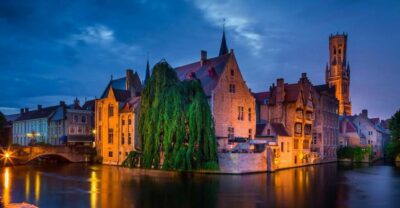
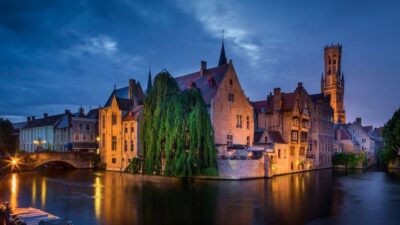
Your first anchor point is Quai du Rosaire / Rozenhoedkaai. This is one of those Bruges spots that instantly feels cinematic. The canal setting and classic views make it easy to settle into sightseeing mode, which is exactly why it is a smart place to begin a puzzle route.
As you start playing, the game nudges you to focus on “why this place looks the way it does.” Practically, that means you will likely slow down at details most people walk right past: building edges, facade features, and the way the waterfront frames the scene.
A key benefit here is momentum. Early on, you learn the rhythm of the game: read the clue, scan the area, collaborate, then move on. If your group is new to urban escape style activities, Rozenhoedkaai gives you a pretty, low-stress starting point while you figure out how to work together.
Potential drawback: if you arrive at a very crowded moment, the game still works, but you might feel like you are squeezing through for close looks. Bruges is busy at times, and puzzles often require visual checks at close range.
Belfort: turning the city’s symbol into a brain workout
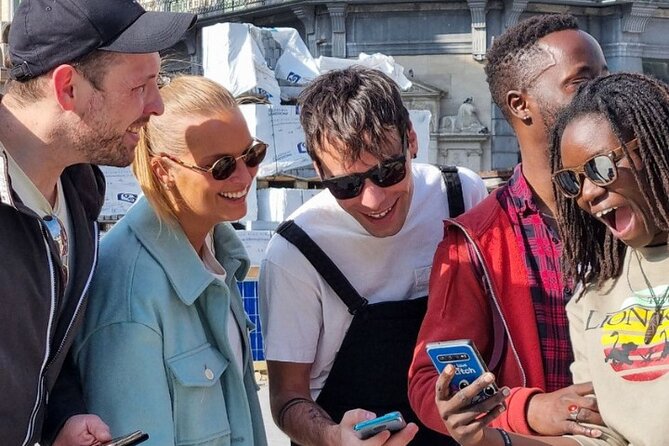
Next up is Belfort, Bruges’ famous belfry area. This stop is a strong choice because it is both recognizable and meaningful. In a puzzle format, familiar landmarks tend to become more than photo ops. They turn into checkpoints where you actively search for clues tied to the place.
What I like about a stop like Belfort inside a mission game is that it can reduce the usual “I took a picture, now what” feeling. A riddle forces you to take the landmark seriously. Even if you do not know the details ahead of time, you can learn them by comparing what you see around you to what the clue is asking.
If your group loves history, this is where you can expect the experience to feel more educational than purely playful. And if your group is more laid-back, the landmark still gives you a visual anchor, so you never feel lost for context.
Practical note: Belfort areas can involve steps and tight corners. For the smoothest game flow, keep your group together and avoid splitting up too far while reading clues on your phone.
Ten Wijngaarde beguinage: calmer streets, better problem solving
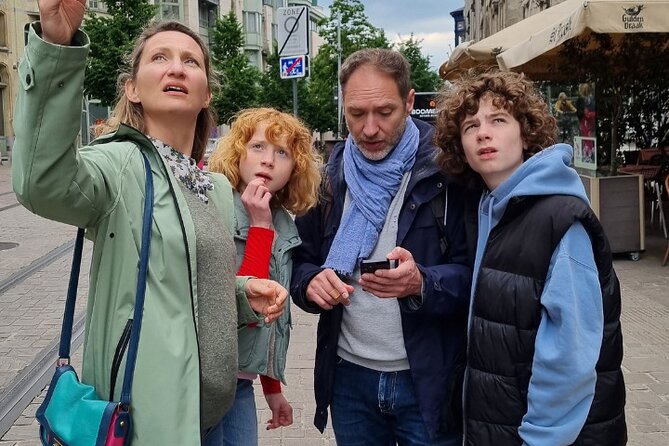
Then you head toward the Princely Beguinage Ten Wijngaarde. Bruges has lots of major sights, but this area feels like a pause button. In the context of a puzzle game, that calm matters. You need a little quieter space to think, and the beguinage setting naturally slows people down.
This is also a great example of what makes the “urban escape” style different from a typical highlight tour. You are not just ticking off famous buildings. You are moving through parts of the center that can feel more lived-in and tucked-away, the kind of places where you might not wander unless an activity sends you there.
In a team of 2 to 6, Ten Wijngaarde is ideal for collaboration. Someone can read the clue, someone else can scan for visual answers, and you can keep the conversation going. It turns the sightseeing part into shared discovery instead of separate individual viewing.
Possible consideration: if your group is the type that hates any waiting or discussion, puzzle stops may feel slightly longer than a normal photo stop. The payoff is that you actually remember what you saw, because you earned it through solving.
Onze-Lieve-Vrouwekerk: puzzles paired with famous architecture
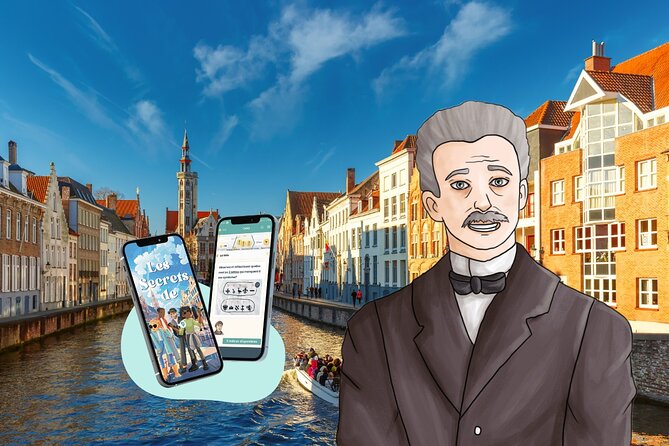
Your route also includes Onze-Lieve-Vrouwekerk. When a game brings you to a major church, it is usually trying to do two things at once: give you a landmark that most people recognize and encourage you to learn something specific rather than just look around.
In practice, this means you are likely to notice architectural features with fresh eyes. Instead of seeing the church as one big structure, you start connecting details to the clue. That is how you get that “I understand what I am looking at” feeling, even if you started with limited knowledge.
I also like how the mission format can help you avoid the common problem of big sights feeling rushed. You are not just passing through. You are stopping, thinking, and moving only when you have solved the next step.
One more practical thing: churches can have rules or variable lighting depending on time of day. The game is designed to be played on a smartphone, so plan to use your light responsibly and keep your screen brightness manageable so you can still see in darker areas.
How to pace it: finish in 2 hours or take your time
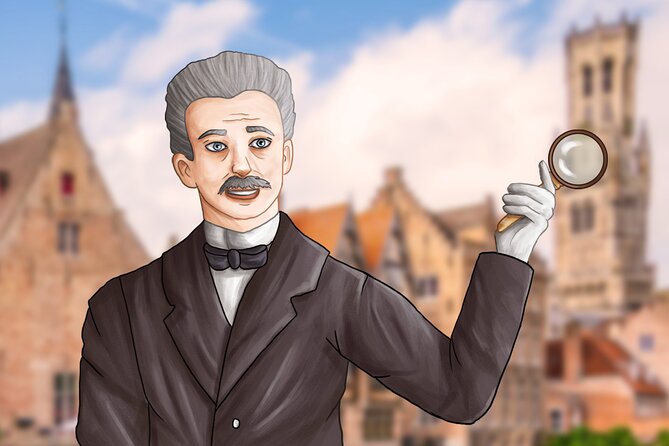
The game gives you two pacing modes. You can try to complete it in around 2 hours, or play at your own pace. That “either fast or slow” choice is one of the best parts for travelers, because Bruges is not a city that rewards rushing.
For a smooth experience, I recommend you treat the 2-hour target as a guideline, not a demand. If your group likes pictures, let yourselves take them. If your group likes puzzles, give each clue a fair attempt. If you get stuck, the best move is usually to regroup quickly rather than spending 20 minutes staring at one spot.
The game also includes 24/7 online support, which is helpful if you hit a snag. You still need to solve the clue, but knowing help exists can make the experience feel less stressful.
And remember, you get an end-of-game recap with photos. That is a nice way to keep your adventure tied to real locations. It also helps if you want to compare notes later with your friends about which clues were hardest.
What to bring and how to keep your phone alive
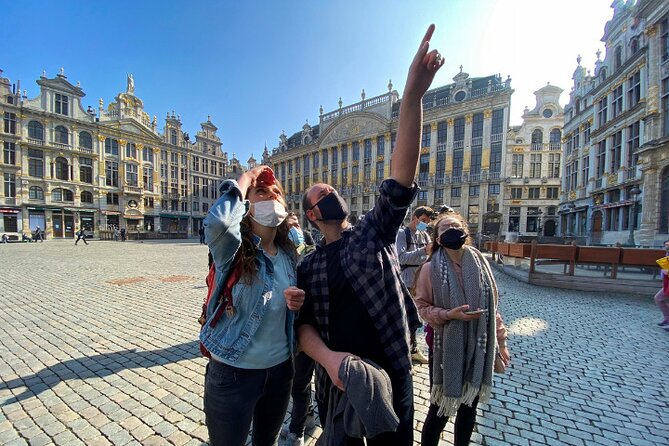
This is a smartphone-based experience, so your gear matters. The tour does not include a smartphone or battery, so plan like you would for a full day of navigation.
Practical checklist:
- A charged smartphone when you start at Jan van Eyckplein
- A power bank if you have one, since puzzles + camera + GPS can drain batteries
- Comfortable walking shoes for a 2 hour city route
- Your group ready to work as a team, because some clues are easier when you split attention
Also, a quick note about language. It is offered in English, so if your group includes someone who prefers English explanations, this is an advantage. If you are traveling with kids, the mission approach often helps, since it turns “look at this building” into “find the answer.”
Because it ends back at the meeting point, you do not need to solve transport logistics during the adventure. You are basically walking a loop and returning to where you began.
Who this Bruges puzzle walk fits best
This experience is a great match if you like active sightseeing. I think it works especially well for people who enjoy:
- learning through games, not just listening
- spending time in historic streets without feeling trapped on a strict schedule
- small-group travel, where you can talk and compare answers easily
It also makes sense for families, because the game format can be fun and not overly long when you stay on pace. One clear theme from the style of experience is that attention to detail is rewarded, so if your group likes scanning facades and noticing tiny features, you will get more out of it.
Who might skip it: if your trip style is purely relaxed, with no desire to read clues or solve riddles, you may find the thinking part tiring. And if your group cannot or does not want to use a smartphone while walking, this is not the right fit.
Should you book this Bruges game?
I would book it if you want Bruges to feel like discovery, not just a checklist. For small groups up to 6, the price structure is friendly, and the mission format naturally pushes you into both the celebrated views and the quieter corners you might otherwise miss. The fact that you get a photo recap and that the game stays valid for years also nudges it from “quick activity” into “something you can revisit.”
I would think twice if you are traveling without a smartphone plan, or if your group hates puzzles and prefers a guide telling the story out loud. You can still do classic sightseeing in Bruges on the same trip, but this one is designed for people who like to solve and explore at their own pace.
If that sounds like you, this smartphone escape game is a smart way to experience Bruges, with the city’s top landmarks doing double duty as both scenery and clues.
FAQ
What is the duration of the Bruges smartphone game?
It runs for about 2 hours. You can also play at your own pace rather than strictly following the 2-hour target.
Is the activity offered in English?
Yes, it is offered in English.
Where does the game start and end?
The start is Jan van Eyckplein, 8000 Brugge, Belgium. The activity ends back at the meeting point.
Do I need my own smartphone?
Yes. The smartphone and battery are not included, so you will need to bring your own device.
How many people can join per group?
This is a private activity for your group, and it is playable in teams of 2 to 6 players.
What is the cancellation policy?
Free cancellation is available up to 24 hours in advance for a full refund. If you cancel less than 24 hours before the start time, the amount paid is not refunded. Cut-off times are based on local time.
Every Belgium Review
Keep Reading Bruges
Newer Belgium reviews from the same corner of the country
- Explore the Instaworthy Spots of Bruges with a Local
★ 5.0 · 3 reviews - Best of Brussels Private Tour from Zeebrugge or Bruges
★ 4.0 · 3 reviews - Private taxi Transfer from Bruges to Amsterdam
★ 5.0 · 3 reviews - Bruges Photo Session By a Pro
★ 5.0 · 3 reviews - Private 3-hour walking tour of Bruges with official tour guide
★ 4.0 · 3 reviews
Bruges Tours, side by side.
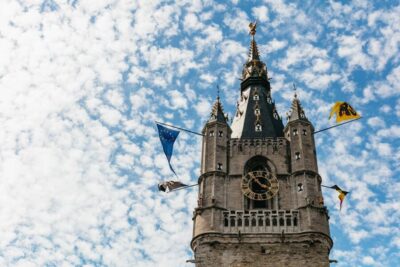 ★ 4.6From Brussels: Guided Day Trip to Bruges and GhentFrom $558,353 reviews
 ★ 4.7From Brussels: Bruges & Ghent Day Tour – 2 Fairytale CitiesFrom $578,242 reviews
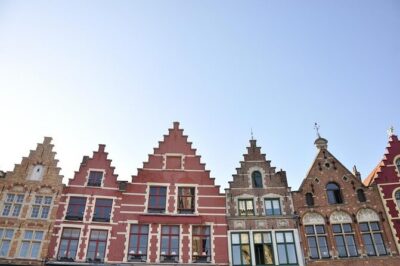 ★ 4.0Bruges and Ghent – Belgium’s Fairytale Cities – from BrusselsFrom $594,809 reviews
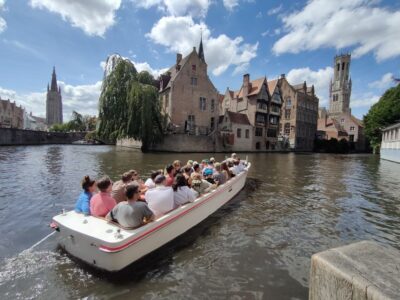 ★ 4.8Bruges: Small Group Boat Cruise and Guided Walking TourFrom $514,102 reviews
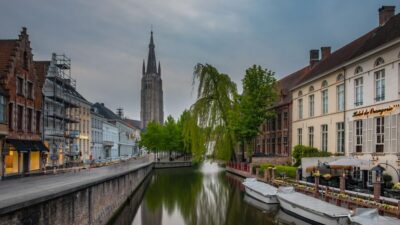 ★ 4.4Bruges: Walking Tour, Canal Boat Trip w/Beer Tasting OptionFrom $412,759 reviews
 ★ 5.0Historical Walking Tour: Legends of BrugesFrom $32,541 reviews
 ★ 4.4From Amsterdam: Bruges Day Trip in English with Boat OptionFrom $611,989 reviews
 ★ 4.6From Amsterdam: Bruges Day Trip in Spanish with Boat OptionFrom $611,866 reviews
Browse the lists this tour appears in