
REVIEW · BRUSSELS
From Brussels: Bruges and Ghent Full-Day Trip by Train
Bruges and Ghent feel like medieval time travel, with real canals and real power. This full-day train trip links both cities into one 10-hour outing, and you get a structured walking plan so you are not wandering in the wrong direction. I especially love the canal-side UNESCO core in Bruges and the sheer architectural punch of Ghent’s cathedral and castles.
Two things I like a lot: you get guided context for the big sights, and you still get breathing room in Bruges for chocolate, lunch, and shopping. The tradeoff is pace. This is a lot of walking on uneven streets, and the day can feel tiring for a one-day hit, especially if you want extra museum time.
If you take the trip, I’d plan your expectations around the essentials: photos, key monuments, good food, and a couple of optional add-ons, not a slow, in-depth gallery day.
In This Review
- Key highlights worth your attention
- Why Bruges and Ghent by Train in One Day Actually Works
- Morning Start: Brussels Grand Place, White Umbrella, and Getting Moving
- Bruges Orientation Walk: Canals, Beguinage, Lake of Love, and Medieval Texture
- Bruges Institutions: Hospital, Church of Our Lady, and Art That May Cost Extra
- Bruges Markets and Belfort Area: Where You See the City Think
- Bruges Free Time and Optional Canal Boat: The 2-Hour Reset
- Heading to Ghent: The Leie and Scheldt Port-City Mood Shift
- Van Eyck Optional Stop at Ghent’s Cathedral: Worth It for Art Lovers
- Ghent’s Civic Power: City Hall, Market Hall, and Belfort Tower Views
- Graslei Old Port and Church Trio: River Views and Medieval Memory
- Gravensteen Castle and Patershol: Fortified Drama Plus Food in Brick Lanes
- Great Butchers Hall: Ending on an Old-World Trade Site
- Pace, Walking Surfaces, and Group Reality Checks
- Price and Value: What $82 Gets You, and What It Does Not
- Who Should Book This Bruges and Ghent Train Day
- Should You Book It: My Straight Advice
- FAQ
- What time and where do we meet in Brussels?
- Does this trip run every day?
- How long is the full day trip?
- What costs are not included?
- What languages is the guide available in?
- What should I bring?
Key highlights worth your attention
- Bruges canal heart walk, designed to get you oriented fast and see the UNESCO lanes on foot
- Ghent’s Saint Bavo Cathedral and optional Van Eyck altarpiece time for art lovers
- Graslei old port views plus the dramatic climb up to Gravensteen Castle
- Patershol for classic Flemish eating right in the medieval brick lanes
- Belfort towers and civic power spots, not just pretty streets
- Optional canal boat (8 EUR) when you want a slower perspective in Bruges
Brussels has more to it than one route
- Brussels: Atomium Entry Ticket with Design Museum Ticket★ 4.4 · 9,254 reviews
- From Brussels: Guided Day Trip to Bruges and Ghent★ 4.6 · 8,353 reviews
- From Brussels: Bruges & Ghent Day Tour – 2 Fairytale Cities★ 4.7 · 8,242 reviews
- Choco-Story Brussels: Chocolate Museum Entrance with Tasting★ 4.3 · 4,883 reviews
Why Bruges and Ghent by Train in One Day Actually Works
Brussels to Bruges and Ghent by train is one of those plans that sounds too ambitious until you see how the cities are laid out. Both Bruges and Ghent have a strong “you walk and things appear” center, so a guided schedule helps you hit the best parts without losing half the day on transit and figuring out directions.
What makes this day trip especially useful is the rhythm. In Bruges, you start with a guided walk to set the map in your head, then you get free time to eat and shop. In Ghent, you get the major monuments in a logical sequence, from cathedral to city halls to the old port.
The day still has a clear reality check: this is not a relaxed pace tour. Even with breaks, it is a “comfortable shoes” kind of day, and you may not fit in every extra museum or long canal boat unless you plan carefully.
Morning Start: Brussels Grand Place, White Umbrella, and Getting Moving
Your day begins at the Grand Place area in Brussels. The meeting point is in front of the Tourist Information Office at 08:30, and your guide is easy to spot holding a white umbrella. Departure from the Grand Place is at 9:30 AM, and this specific trip runs only on Sundays.
This matters because you want your body ready early. Trains are easy in Belgium, but once the schedule starts, the tour moves. If you are the type who needs a slow breakfast and time to “settle in,” build in that buffer before the 08:30 meeting.
Your guide will work in Spanish, English, or French. If you end up with a guide like Louisa or Louise, you are likely in for a lively style, with lots of group-friendly pacing and photo stops.
Bruges Orientation Walk: Canals, Beguinage, Lake of Love, and Medieval Texture
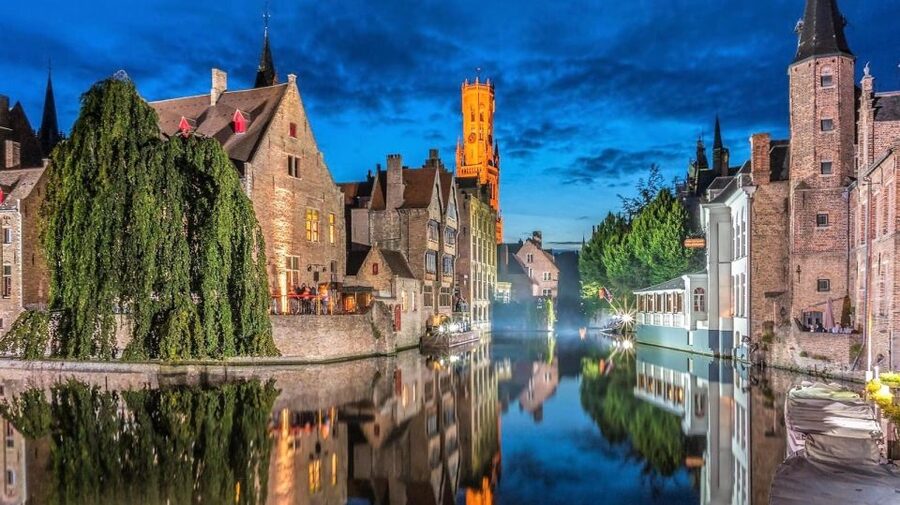
After arriving in Bruges, you start with a 2.5-hour walking tour. This is the part where the trip pays off, because the historic center is compact but full of turns. Walking it first helps you later recognize where you are when you wander for lunch or souvenirs.
You’ll get canal-side time in the UNESCO-listed heart, which is the real Bruges magic trick. A big early stop includes the Beguinage, a well-preserved example of a medieval gated community where women lived. It gives you a different angle on medieval life beyond castles and kings.
You also pass by the ancient city wall park and the Lake of Love, which fed Bruges’s canal system. It sounds poetic, but it’s practical too. The canals are not just scenery, they are the city’s historic infrastructure.
Another standout stop is Brewery De Halve Maan, the only brewery still operating in the city center. Even if you do not have time for a tasting, it’s a neat reminder that old places can stay alive.
Bruges Institutions: Hospital, Church of Our Lady, and Art That May Cost Extra
The tour keeps stepping into real medieval institutions, not just storefront photos. Old St. John’s Hospital is one of the oldest hospitals in Europe, and you’ll learn its 800-year story. There is an optional museum visit connected with Hans Memling, if you want to go deeper.
Then it’s on to Our Lady of Bruges, one of the city’s oldest churches. The famous brick tower is still among the tallest brickwork towers in the world. The church also holds major art treasures, including Michelangelo’s Madonna with the Child, with an optional add-on depending on what you choose that day.
This is a good moment to decide how you like your travel: do you want more art time, or do you want more wandering time? The day is built so you can make either choice, but you should pick intentionally because the schedule stays packed.
Bruges again, from a different angle
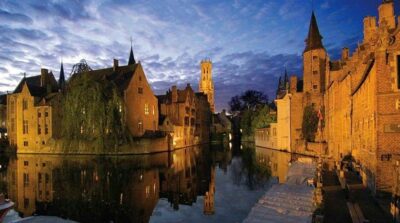
Bruges Markets and Belfort Area: Where You See the City Think
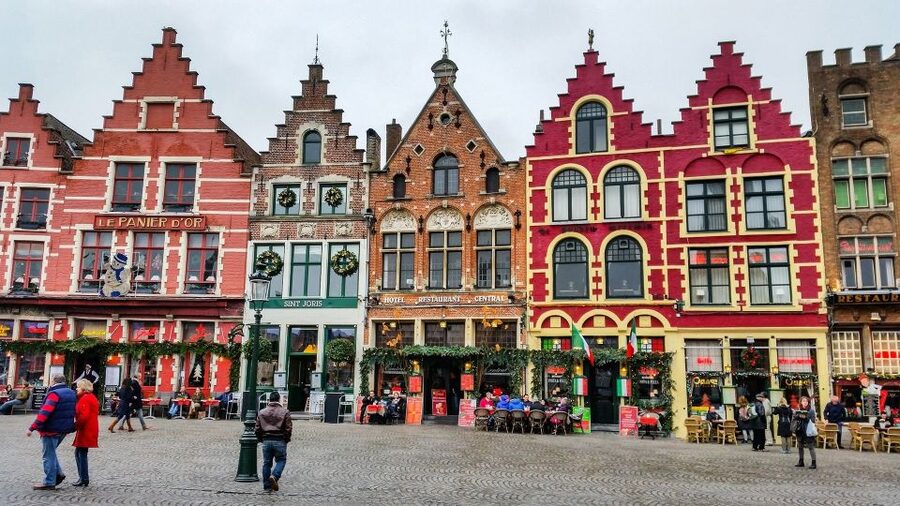
Next you’ll move through some of Bruges’s oldest squares and civic spaces. Stops can include VisMarkt (the fish market) and Tanners’ Square, both known for guildhalls and the café culture that still uses the same human-scale layout medieval people used.
You’ll also pass through places tied to Bruges’s economic heart, including Burg Square and Markt Square. The Belfort tower area is part of this, and it’s one of the most iconic Gothic civic buildings in Belgium.
If you like Gothic architecture but do not want a course in it, this section is a win. The guide connects what you see, the reason the buildings were built, and why those civic spaces matter. It helps you see the city as more than a postcard.
Bruges Free Time and Optional Canal Boat: The 2-Hour Reset
After the guided walking tour, you get 2 hours of free time for eating, souvenirs, and a possible boat trip. This is the slot where you can stop for Belgian chocolate without feeling like you are stealing time from the guide.
If you want the optional water view, there’s a canal tour for 8 EUR per person, paid while boarding. In a single day, that boat ride can be the difference between seeing canals as architecture and experiencing them as a full loop of the city’s layout.
One practical note: if you plan to do the boat, choose your lunch location thoughtfully. Bruges is beautiful, but it can slow you down if you zigzag randomly in the final hour.
Heading to Ghent: The Leie and Scheldt Port-City Mood Shift
Next comes Ghent, a port city at the confluence of the Leie and Scheldt rivers. The vibe changes quickly. Bruges feels like lace and quiet streets. Ghent feels like heavier stone, bigger civic buildings, and a city that historically ran on trade.
Your Ghent start is Saint Bavo Cathedral, where you admire a standout Gothic church and Baroque ornamentation. You step into spaces that mix styles because Ghent’s story did not stop in one period.
Then you continue into areas like the marble choir and private chapels. The tour points out major art highlights, including a Rubens painting called Saint Bavo Enters the Convent at Ghent, plus attention to details like a Rococo pulpit and frescoes in the Romanesque crypt.
Van Eyck Optional Stop at Ghent’s Cathedral: Worth It for Art Lovers
There’s an optional add-on in Ghent tied to the Van Eyck brothers: the altarpiece The Adoration of the Mystic Lamb. This is for a small extra fee of 4 EUR.
I like this as a design choice because it keeps the day flexible. If you care about early Netherlandish painting, this is a real draw. If you do not, you can use that time for street wandering around the cathedral area and cafés nearby.
Either way, the cathedral visit anchors your Ghent experience. You are not just moving from one photo stop to another, you are getting a sense of why this city mattered.
Ghent’s Civic Power: City Hall, Market Hall, and Belfort Tower Views
From the cathedral, the tour moves to City Hall, known for its mix of Gothic, Renaissance, and Baroque architecture. It’s the kind of building that makes you slow down for a minute, even if your legs are tired.
Then you head toward Market Hall, where you see the Belfort Tower and the covered market setup. Covered markets matter because they show you how people shopped day after day. You can imagine the noise and movement even if it is quiet when you visit.
This part of the day is especially good if you want your medieval experience to include how cities governed and traded, not only churches and castles.
Graslei Old Port and Church Trio: River Views and Medieval Memory
The tour then walks you toward Ghent’s old port of Graslei, a classic place to slow down and look at the river Leie with the old guildhalls framing the scene. If you want a good photo moment without chasing angles, this is one of the best stops of the day.
You’ll also see churches around the medieval core, including Saint Nicholas, Saint James, and Saint Michael. These are not random names. They help you understand Ghent as a dense web of parishes and civic life, where religion and everyday rhythms were closely linked.
If Bruges is the “storybook medieval,” Ghent is the “medieval city that kept working.” That difference is part of why doing both cities in one day works.
Gravensteen Castle and Patershol: Fortified Drama Plus Food in Brick Lanes
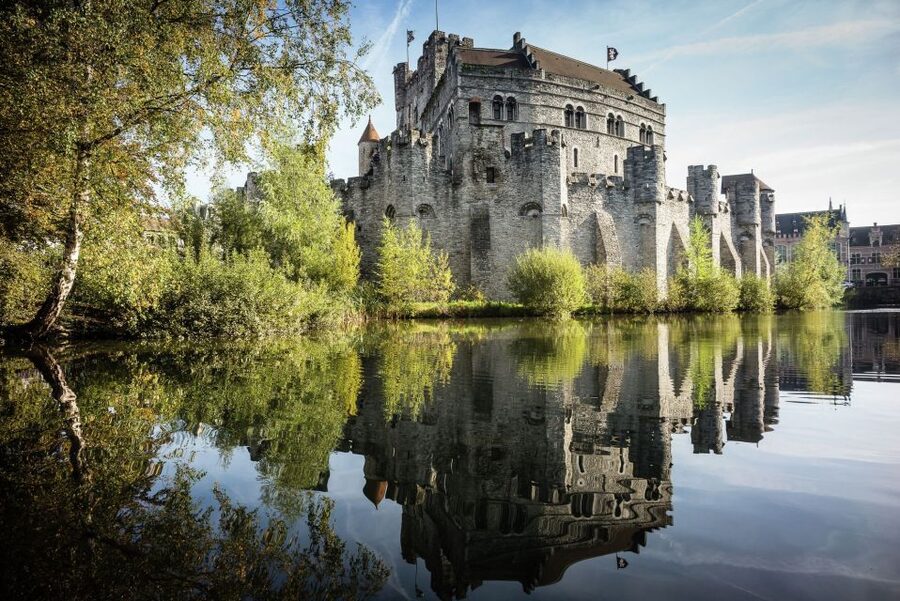
Next comes Gravensteen, the medieval castle where the counts of Flanders lived. The castle is dramatic, and it adds variety after all the churches. It also gives you a strong visual payoff for Ghent’s defensive and political past.
After the castle, you go to Patershol, one of Ghent’s picturesque districts with charming brick facades. This is where you get a chance to eat like a local without turning it into a quest. The area is known for restaurants and cafés, and it feels medieval even when it is serving modern meals.
If you want one clear “where should I eat?” answer on the day, Patershol is the place the tour naturally lines up for it. Just be aware that if it is busy, you might wait. That is the price of popularity in a central medieval neighborhood.
Great Butchers Hall: Ending on an Old-World Trade Site
The tour wraps with the 15th-century Great Butchers’ Hall, one of Europe’s oldest meat markets. It is a surprisingly memorable ending because it is not a castle and it is not a church.
It’s trade, rules, and daily life made visible. Even if you are not thinking about meat markets on a vacation, the building’s function gives context to why cities like Ghent were so powerful in the Middle Ages.
By the time you finish here, your brain has collected enough images that Ghent feels whole, not fragmented into isolated attractions.
Pace, Walking Surfaces, and Group Reality Checks
This trip is rated highly, and the big theme in the experience is that it hits a lot and the guiding is strong. The tradeoff appears in the same place every time: it can be tiring.
You will walk a lot on uneven surfaces, and you should plan for long stretches without sitting. If you get motion sickness easily, consider that trains are fine, but the walking between stops can be steady and long.
Group dynamics can also shift your day. If your group is small, there is a useful option: you may be able to return with the guide at the scheduled time, or stay longer and return later on your own. That can help you finish Bruges or Ghent exactly how you like, if your legs hold up.
Also, remember the schedule structure. You return to Brussels with the guide around 17:00 and arrive at 18:00. The guide will not vanish, so you are not left scrambling, but you do need to move when it’s time.
Price and Value: What $82 Gets You, and What It Does Not
At around $82 per person, this is a value-focused day trip when you compare it to the cost of trains, a guided orientation, and the time saved by following a planned route. You also get the benefits of a local guide in your chosen language, which is a big deal in cities where small details matter.
What is extra is not huge, but it is worth planning for. The canal boat in Bruges costs 8 EUR per person. The Van Eyck altarpiece entry costs 4 EUR. If you do both, you add some cost, but you also add the two most famous “optional wow” moments in the day.
In my view, the best value is the guided sequencing. You get context in Bruges and Ghent so you do not miss what you are looking at. Without guidance, you can still enjoy both cities, but you’d spend more time deciding, backtracking, and reading without real interpretation.
Who Should Book This Bruges and Ghent Train Day
This is ideal if you:
- want both cities in one day and you like structure
- enjoy medieval churches, civic buildings, and castle stops
- want great food stops built into areas like Patershol
- are comfortable walking for a full day and want photo and sightseeing coverage
It might not be for you if you hate pace or if you plan to do many extra museum hours. The day is designed to hit key points, so if you want a slow, deep art schedule, you might prefer adding an extra day to one city.
Should You Book It: My Straight Advice
Book this trip if you want the fastest way to understand why Bruges and Ghent are famous, and you like the idea of guided orientation plus free time to eat and wander. The canal walk, the Beguinage, the hospital and cathedral stops, the old port views, and Gravensteen cover the essentials in a way that makes both cities feel connected.
Skip it or rethink if you need a low-walking itinerary. This is not a sit-and-sip tour. It is a “see a lot, then eat well” day, and your shoes will do most of the work.
If you do book, I’d aim for Sunday, show up early at the 08:30 meeting, and plan to choose either optional art time or extra water time, not both at once. You’ll enjoy it more when you do not feel behind.
FAQ
What time and where do we meet in Brussels?
You meet at 08:30 at the Grand Place area in front of the Tourist Information Office, with your guide holding a white umbrella.
Does this trip run every day?
This departure from the Grand Place is listed for Sundays, with the scheduled departure at 9:30 AM.
How long is the full day trip?
The total duration is 10 hours. The scheduled return to Brussels is at 17:00, and arrival is at 18:00 with your guide.
What costs are not included?
The canal boat trip in Bruges costs 8 EUR per person, and the entrance fee for The Adoration of the Mystic Lamb by the Van Eyck brothers is 4 EUR.
What languages is the guide available in?
The live guide is available in Spanish, English, and French.
What should I bring?
Bring comfortable shoes. The tour includes a lot of walking and uneven surfaces.
Ghent, Continued
Keep Reading Bruges
More Ways to See Brussels
Newer Belgium reviews from the same corner of the country
- Discover the secrets of Brussels while playing
★ 5.0 · 3 reviews - Standard vehicle from Charleroi airport to city of Brussels
★ 4.5 · 3 reviews - Private tour to Ghent from Brussels (5hours walk & drive)
★ 5.0 · 3 reviews - Full day Brugge & Ghent: the gems of Flanders
★ 5.0 · 3 reviews - Private tour : Best of Brussels half day From Brussels
★ 5.0 · 3 reviews
Brussels Tours, side by side.
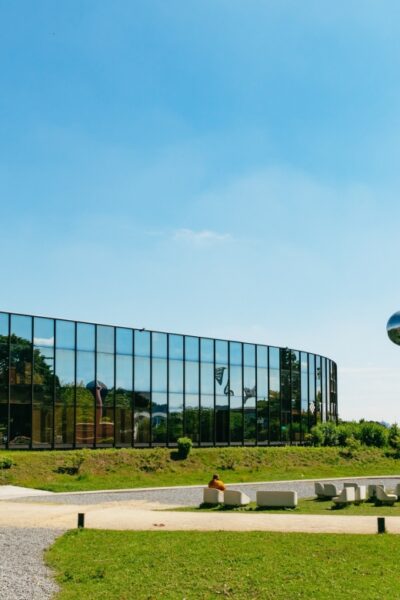 ★ 4.4Brussels: Atomium Entry Ticket with Design Museum TicketFrom $199,254 reviews
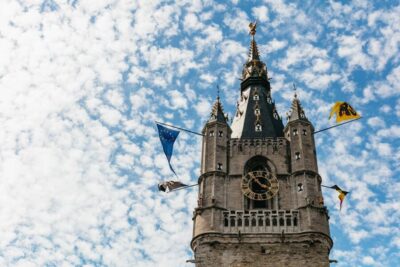 ★ 4.6From Brussels: Guided Day Trip to Bruges and GhentFrom $558,353 reviews
 ★ 4.7From Brussels: Bruges & Ghent Day Tour – 2 Fairytale CitiesFrom $578,242 reviews
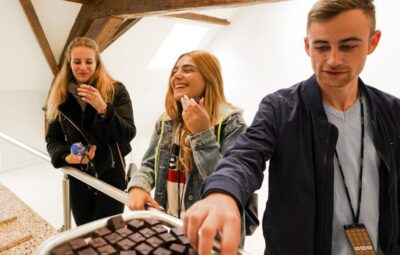 ★ 4.3Choco-Story Brussels: Chocolate Museum Entrance with TastingFrom $184,883 reviews
 ★ 4.0Bruges and Ghent – Belgium’s Fairytale Cities – from BrusselsFrom $594,809 reviews
 ★ 4.0Brussels: Hop-On Hop-Off Bus TourFrom $294,016 reviews
 ★ 4.5Brussels: Entry Ticket to Mini-EuropeFrom $232,870 reviews
 ★ 5.0Hungry Mary’s Famous Beer and Chocolate Tour in BrusselsFrom $1192,258 reviews
Browse the lists this tour appears in