
REVIEW · BRUSSELS
Visite guidée : Bruxelles, 1000 Ans de Luttes
Brussels has a knack for hiding its real stories in plain sight. This 2-hour 1,000 Years of Struggles walk uses the Marolles area to show you how ordinary people pushed back, adapted, and kept going. I especially like how the tour blends places you can actually see with the social context behind them, and how the storytelling makes sites feel personal, not postcard-perfect.
Two of my favorite moments are the Polish-Sunday rhythm at a 12th-century church and the top-floor perspective from the Ascenseur des Marolles. You also get a sharply human explanation of why the Marolles area developed a distinct identity right in the center of Brussels. One consideration: it is focused on social history, so if you want a classic highlight loop of only famous sights, you might find the tone a bit more serious than expected.
In This Review
- Key highlights you will feel on the ground
- Walking into a different Brussels, on purpose
- Notre-Dame de la Chapelle: faith, art, and a living neighborhood beat
- Palais de Justice: the renovation story people cannot stop talking about
- Ascenseur des Marolles: a quick ride, a big payoff view
- Marolles quarter: tiny streets, blind alleys, and stubborn community identity
- Place du Jeu de Balle: ending at the flea market where life keeps happening
- Guides: what makes the storytelling feel local, and not like a lecture
- Price and value: low cost, what you should watch for
- Timing, group size, and how to plan your day
- Who should book this 1,000 Years of Struggles tour
- Should you book it?
- FAQ
- What language is the tour offered in?
- How long is the guided walk?
- What is included in the price?
- Are gratuities included?
- Where do I meet and where does it end?
- Can I get a refund if I need to cancel?
Key highlights you will feel on the ground
- Notre-Dame de la Chapelle: a 12th-century church with painting exhibitions and a Polish mass held every Sunday
- Palais de Justice: the long-running renovation saga, explained as a very Belgian cautionary tale about public money
- Ascenseur des Marolles: a short elevator stop with one of the best views over Brussels
- Marolles quarter: tiny streets and blind alleys, framed by the lived experience of disadvantaged but independent-minded communities
- Place du Jeu de Balle: end at the daily flea market atmosphere and the ongoing effort to keep it going
Brussels has more to it than one route
- Brussels: Atomium Entry Ticket with Design Museum Ticket★ 4.4 · 9,254 reviews
- From Brussels: Guided Day Trip to Bruges and Ghent★ 4.6 · 8,353 reviews
- From Brussels: Bruges & Ghent Day Tour – 2 Fairytale Cities★ 4.7 · 8,242 reviews
- Choco-Story Brussels: Chocolate Museum Entrance with Tasting★ 4.3 · 4,883 reviews
Walking into a different Brussels, on purpose
If you think you already know Brussels, a focused neighborhood walk like this can reset your mental map fast. Instead of sprinting from landmark to landmark, you are guided through a part of town where the details matter: buildings, street shapes, and the way a community held its own.
I like that this tour has a clear theme and stays on it. You feel the throughline from early hardship and resistance to the modern city shaping itself around those older realities.
And since the whole thing lasts about 2 hours, it fits cleanly into a day of sightseeing without turning into a half-day commitment you have to recover from.
Notre-Dame de la Chapelle: faith, art, and a living neighborhood beat
You start at Rue de la Chapelle 21, then make your first stop at Église Notre-Dame de la Chapelle. This church dates back to the 12th century, and what makes it more interesting than a quick exterior photo is that it is still active, not frozen in time.
The tour points out how the church hosts painting exhibitions and how mass is held in Polish every Sunday. That Polish detail is small, but it instantly gives the place a heartbeat. It also reminds you that neighborhoods are layered, and immigration and cultural continuity shape what you see today.
Practical note: the stop is short, and the admission is free. So you get a meaningful introduction without losing momentum.
Palais de Justice: the renovation story people cannot stop talking about
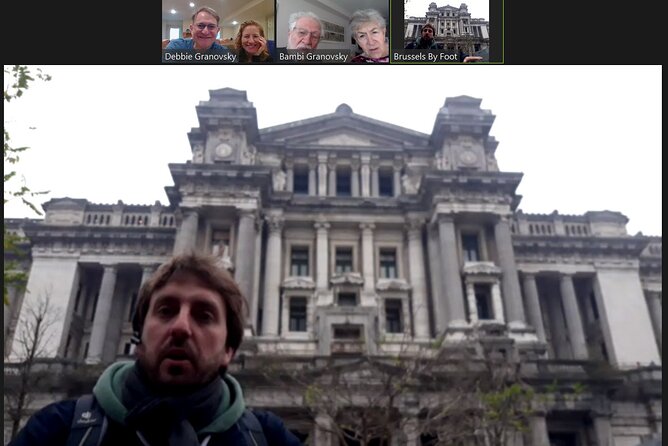
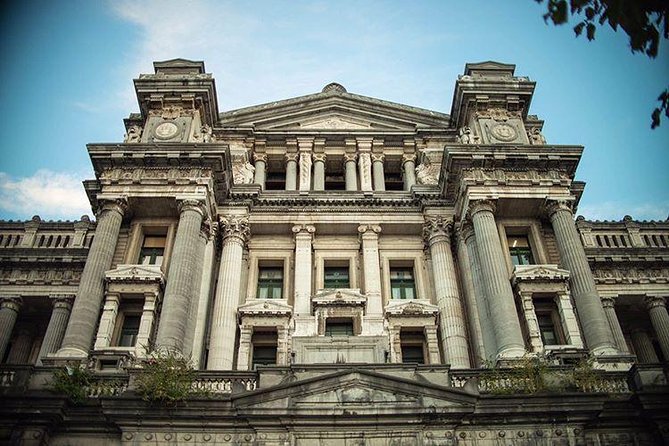
Next you head to the Palais de Justice. The guide’s angle here is the long, stalled renovation story that has dragged on for around 40 years. It is the kind of urban plotline that locals grow up with and visitors often notice only as confusing scaffolding.
This stop is valuable because it helps you connect architecture to politics. When a major public building becomes a symbol of wasted time and public money, it shapes trust in government and how people talk about the city.
You will get a sense of why this building feels like more than impressive stone. It is a story about expectations, accountability, and how long projects can turn into cultural jokes.
Again, this stop is brief and free to enter, so you are not trapped waiting around. The point is to understand what you are looking at, then move on.
Ascenseur des Marolles: a quick ride, a big payoff view
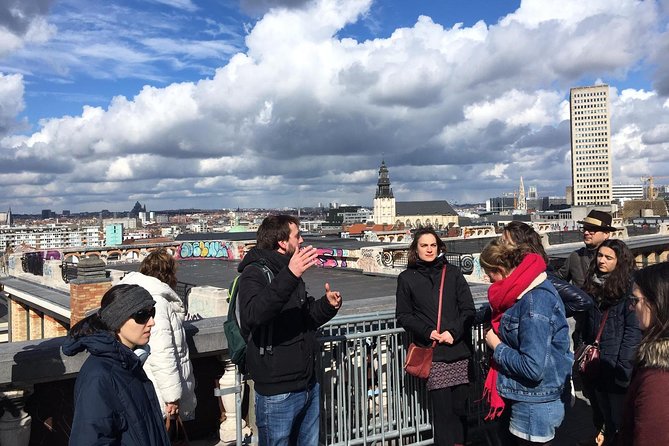
After the heavy topic at the palace, the walk takes you to the Ascenseur des Marolles for a short stop. The elevator itself is the feature here, and the big reason to care is the view from the top.
Even when a city is famous, you sometimes only see it from eye-level. This stop pushes you higher and gives you a different perspective on how Brussels fits together, especially around the Marolles area.
The timing is tight at about 5 minutes. That is perfect if you want a payoff view without building a long detour into your day. Admission is free, so you are not paying extra to get the most photo-ready angle.
Marolles quarter: tiny streets, blind alleys, and stubborn community identity
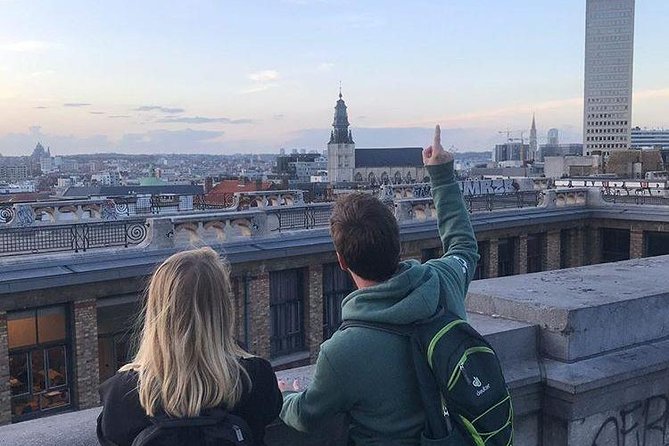
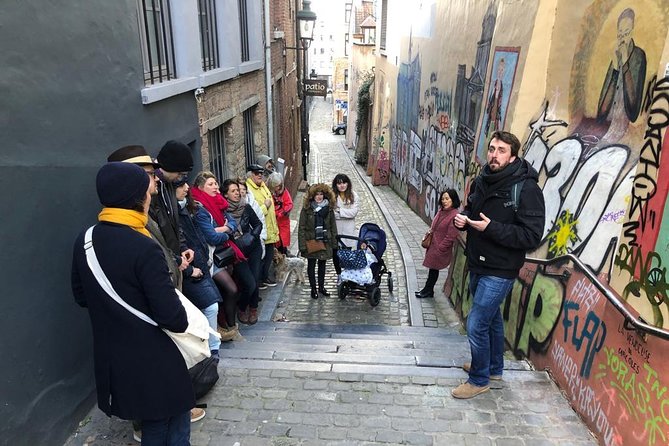
Then you slow down in the Quartier Marolles. This is where the theme of the tour becomes tangible. The neighborhood is described as an unruly area with tiny streets and blind alleys, but also as a quiet, poorer part of central Brussels with a lot to tell.
The best part is how the tour interprets the visible city plan as something tied to people’s lives. You do not just learn facts. You start to understand why certain patterns of streets and spaces emerge when communities struggle to survive while staying independent-minded.
I like this approach because it helps you read a neighborhood like a map. Instead of seeing random corners, you can sense how constraints shaped daily living and local identity.
If you are the type who likes cities with texture, you will enjoy Marolles. It is not trying to be polished for postcards, and that is exactly the point.
Place du Jeu de Balle: ending at the flea market where life keeps happening
The tour finishes at Place du Jeu de Balle, which is closely tied to the daily flea market of the Marolles. This is a great ending because you go from history to rhythm, from explanation to atmosphere.
The tour frames the square as a place where people have always struggled to keep the area conserved and working. That matters because it adds a realistic layer to what you see. A flea market is not just an attraction, it is an ongoing local practice with upkeep, negotiations, and community effort.
It is also a smart way to wrap up your walking tour. You can linger nearby for a drink or meal, and the square gives you lots of options right where you end, at Pl. du Jeu de Balle 64 in the middle of the square.
Guides: what makes the storytelling feel local, and not like a lecture
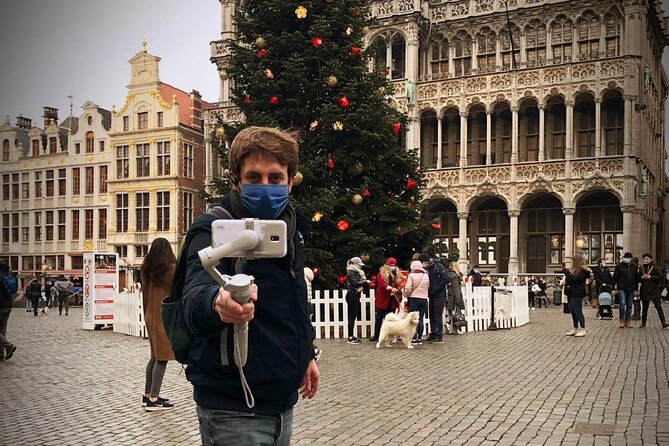
This is one of those tours where the guide is the engine. From the names shared in feedback, I noticed a pattern: the guides Francois, Simon, and Thomas get praised for passion and for making the social history feel easy to follow.
What stands out most across comments is the balance between big events and small lived details. You get stories about living conditions over centuries, and you also get pointed explanations about visible and invisible borders in Brussels, especially within Marolles.
I also like that the guides answer questions clearly. That is not guaranteed on every themed tour, but here it comes up repeatedly. If you tend to ask why something looks a certain way, you are likely to enjoy the back-and-forth.
Price and value: low cost, what you should watch for
At $3.62 per person, this is an unusually affordable way to do a guided, theme-driven walk in central Brussels. The value is not just the low price, it is also that entrances for the key stops are covered, and the session stays tight at roughly 2 hours.
The tour includes entrance fees and registration fees, which reduces the amount of micro-managing you have to do during your day. Most stops also note free admission, so you mainly pay for the guide’s interpretation and time.
The main extra you should plan for is gratuities. The data lists gratuities as €10.00 per person, and it also suggests that as a norm rather than a surprise fee.
If you are a careful planner, think of the ticket as covering the core experience, and the gratuities as your way of rewarding the guide directly. If you normally tip, this fits your usual travel style. If you do not tip, just be ready for that difference in expectations.
Timing, group size, and how to plan your day
This is offered in English, and the tour uses a mobile ticket. The group size max is 25 travelers, which is big enough to feel lively but usually small enough for questions to land.
It is booked, on average, about 25 days in advance. That suggests this is not a totally last-minute-only activity, especially in busy seasons and on popular days.
The start point is Rue de la Chapelle 21, 1000 Bruxelles, and the end point is Pl. du Jeu de Balle 64, in the middle of the square. You can plan to eat or have a drink after without needing to navigate back across the city.
If you like a tight schedule, this tour fits nicely as either a morning orientation to the area or an afternoon “make Brussels feel real” session.
Who should book this 1,000 Years of Struggles tour
Book it if you want a Brussels experience that is not only monuments, but also people and power. This walk works well if you like social history you can see, not just read.
It is also a strong choice if you want variety. You get a functioning church with community life, a major civic building with a long-running controversy, a viewpoint from an elevator, and then the daily energy of a flea market square.
It may be less satisfying if your travel goal is pure landmark sightseeing with minimal context. This tour’s focus is the neighborhood’s story of struggle and independence, and that is what you are paying for.
Most people can participate, it is near public transportation, and service animals are allowed. So it tends to be practical for a wide range of visitors.
Should you book it?
Yes, I would book it if you want your Brussels to feel lived-in, not just photographed. The itinerary is compact, the theme is clear, and the guide-led storytelling is repeatedly praised for being engaging and easy to follow.
If you are deciding between a generic sights walk and this one, choose based on your mood. If you want to understand why Marolles looks the way it does, and what shaped it over time, this is the better match.
And with included entrances and a short duration, it is also a low-risk way to try a more thoughtful side of Brussels.
FAQ
What language is the tour offered in?
The tour is offered in English.
How long is the guided walk?
It lasts about 2 hours.
What is included in the price?
The price includes entrance fees and registration fees.
Are gratuities included?
No. Gratuities of €10.00 per person are not included.
Where do I meet and where does it end?
You start at Rue de la Chapelle 21, 1000 Bruxelles, Belgium. You end at Pl. du Jeu de Balle 64, 1000 Bruxelles, in the middle of the square.
Can I get a refund if I need to cancel?
Yes, you can cancel for a full refund if you cancel at least 24 hours before the experience start time. Free cancellation is available.
Every Belgium Review
More Ways to See Brussels
Newer Belgium reviews from the same corner of the country
- Discover the secrets of Brussels while playing
★ 5.0 · 3 reviews - Standard vehicle from Charleroi airport to city of Brussels
★ 4.5 · 3 reviews - Private tour to Ghent from Brussels (5hours walk & drive)
★ 5.0 · 3 reviews - Full day Brugge & Ghent: the gems of Flanders
★ 5.0 · 3 reviews - Private tour : Best of Brussels half day From Brussels
★ 5.0 · 3 reviews
Brussels Tours, side by side.
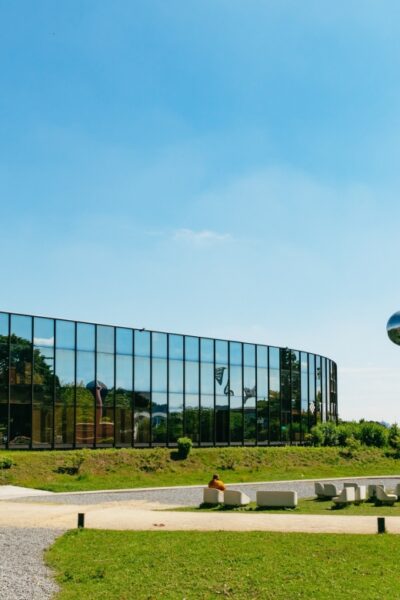 ★ 4.4Brussels: Atomium Entry Ticket with Design Museum TicketFrom $199,254 reviews
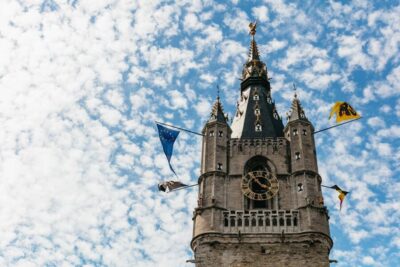 ★ 4.6From Brussels: Guided Day Trip to Bruges and GhentFrom $558,353 reviews
 ★ 4.7From Brussels: Bruges & Ghent Day Tour – 2 Fairytale CitiesFrom $578,242 reviews
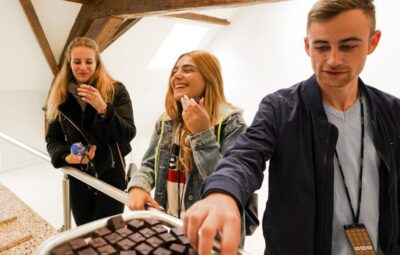 ★ 4.3Choco-Story Brussels: Chocolate Museum Entrance with TastingFrom $184,883 reviews
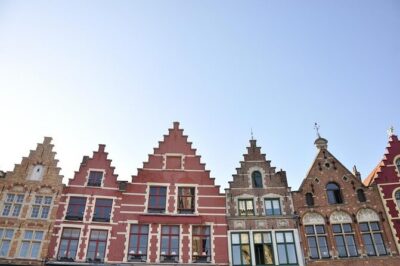 ★ 4.0Bruges and Ghent – Belgium’s Fairytale Cities – from BrusselsFrom $594,809 reviews
 ★ 4.0Brussels: Hop-On Hop-Off Bus TourFrom $294,016 reviews
 ★ 4.5Brussels: Entry Ticket to Mini-EuropeFrom $232,870 reviews
 ★ 5.0Hungry Mary’s Famous Beer and Chocolate Tour in BrusselsFrom $1192,258 reviews
Browse the lists this tour appears in