
REVIEW · BRUSSELS
A Self-Guided Tour of Brussels: From Medieval to Modern Times
Brussels gets under your skin fast.
This self-guided route lets you set the pace as Isaac, an experienced producer, explains how the city moved from royal power and medieval streets to today’s institutions and culture. You get lifetime access to the English VoiceMap tour, plus offline audio and maps so you can work through it on your schedule.
I love how the tour strings together big-name landmarks and smart context, especially at the UNESCO-listed Grand Place and the Musical Instruments Museum area. The storytelling approach also nudges you to look at details, like royal lineage, religious sites, and the meaning behind small-looking street stops that turn out to be iconic.
One catch: it is a walking route with some uphill climbs, and you may want to build in breaks. Also, if your phone has trouble playing audio, your tour can feel repetitive, so plan for a quick fix or contact VoiceMap support if needed.
In This Review
- Key things to know before you go
- How the VoiceMap self-guided tour really works
- Meeting point to finish line, and why the route shape matters
- Royal Palace to Royal Square, start with power and legends
- Grand Place, guild houses, and the Tintin mural moment
- Coudenberg, Mont des Arts, and the bell-filled pause
- Musical Instruments Museum and cultural stops you can pace
- Palais du Justice and Grande Roue views that connect the whole walk
- Mary Magdalene Chapel and the quieter church circuit
- Jeanneke Pis and Manneken Pis, the humor side of Brussels
- Statues, squares, and the “old city wall and harbor” clue
- Black Tower and Anneessenstoren, old structures in a modern city
- Money and administration: Stock Exchange, City Museum, and Town Hall
- Timing, shoes, and how to keep the tour fun
- Value check: is $9.99 worth it?
- What can go wrong, and how to handle it fast
- Should you book this self-guided Brussels tour?
- FAQ
- What is the duration of the Brussels self-guided tour?
- How much does the tour cost?
- Does the tour include museum tickets or entrance fees?
- Do I need an internet connection during the tour?
- What do I need to bring with me?
- When does the tour run?
Key things to know before you go
- Offline VoiceMap audio means you can navigate without relying on mobile data.
- Lifetime access lets you repeat the tour or do it again after your first attempt.
- UNESCO Grand Place plus comic culture keep the route from feeling like a museum checklist.
- Two major viewpoints help you connect the dots between old streets and modern Brussels.
- Lots of photo stops, but museums and entry fees are not included.
- Some climbs are part of the route, so comfortable shoes are not optional.
Brussels has more to it than one route
- Brussels: Atomium Entry Ticket with Design Museum Ticket★ 4.4 · 9,254 reviews
- From Brussels: Guided Day Trip to Bruges and Ghent★ 4.6 · 8,353 reviews
- From Brussels: Bruges & Ghent Day Tour – 2 Fairytale Cities★ 4.7 · 8,242 reviews
- Choco-Story Brussels: Chocolate Museum Entrance with Tasting★ 4.3 · 4,883 reviews
How the VoiceMap self-guided tour really works
This is a self-guided, app-based walking tour, built around the VoiceMap experience. After booking, you receive instructions and a unique code to download the tour on your phone. When you arrive at the meeting point, the app gives directions to get you in the right spot, then you tap start and follow the day’s route at your own pace.
The practical win here is offline access. You get offline audio, maps, and geodata, so you can spend less time hunting for signal and more time reading street-level clues. That matters in Brussels, where you can move from wide squares into tight cobbled lanes before you realize you have switched neighborhoods.
Plan on about 1 hour 30 minutes to 2 hours for the full walk. That time range is perfect if you like a brisk stroll with stops to look up at façades and statues. If you want longer museum time, you can slow down. If you’re tired, you can pause and come back later, since the tour is designed for breaks.
Meeting point to finish line, and why the route shape matters
You start at Pl. des Palais 1, 1000 Bruxelles, Belgium, near the Royal Palace area. The tour ends at Lookout des Marolles, Rue des Minimes 66, 1000 Bruxelles, Belgium.
That end point is a hint about the route shape. You are moving from the palace zone toward higher, scenic areas, then down toward the Marolles viewpoint finish. Translation: yes, there is walking and at least some uphill. One note to take seriously, especially if you are not used to city hills: save your energy for the viewpoints, because they are the pay-off.
If you are doing this as part of a longer day, give yourself a light plan afterward. You will likely want a snack and a breather once you reach the finish.
Royal Palace to Royal Square, start with power and legends
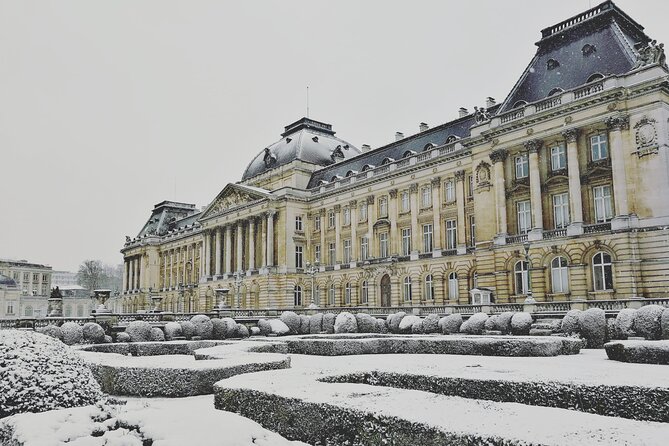
The tour begins as you approach the Royal Palace of Brussels, former residence tied to the Belgian Royal Family’s lineage. Even if you do not plan to go inside (tickets are not included), this is still a strong opening because the palace area gives you the city’s most formal, state-like face.
From there, you head into the Royal Square and run into the statue of Godfrey of Bouillon. This is one of those stops that can feel like a quick photo if you do not know the name. With the audio, you get the sense of how early medieval leadership became part of Brussels identity, long before the city became an international political hub.
This opening section is a good warm-up if you want an easy start. You get context fast, and the walking is mostly straightforward before the route starts to pull you into denser historic streets.
Grand Place, guild houses, and the Tintin mural moment
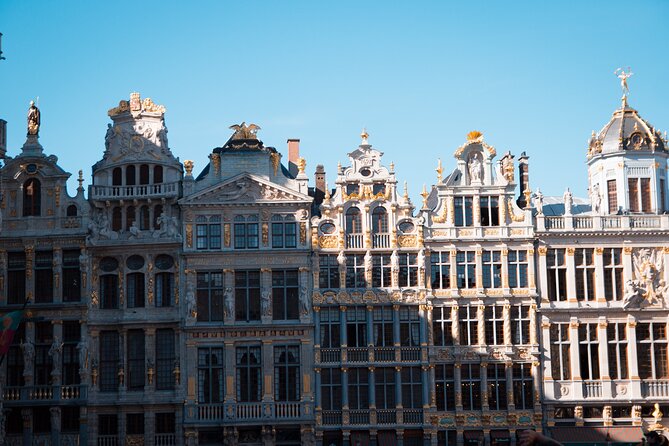
Next up is the UNESCO-listed Grand Place, the most famous square in Brussels for a reason. You will walk around the ornate guild houses and palaces that ring the square. The best way to enjoy this stop is to slow down and look upward. The details can turn into a small street theater if you let yourself notice the carvings and building rhythms.
This is also where the tour keeps it fun. You spot the Tintin Comic Mural, a reminder that Brussels is not only royal courts and church towers. Belgian comics are part of the national creative identity, and the mural gives you a clean break from “serious monuments only.”
If you love photos, this is your moment. If you prefer history, this is also your moment. Either way, Grand Place works because it is both visually dramatic and easy to navigate without stress.
Other tours with a guide out front

Coudenberg, Mont des Arts, and the bell-filled pause
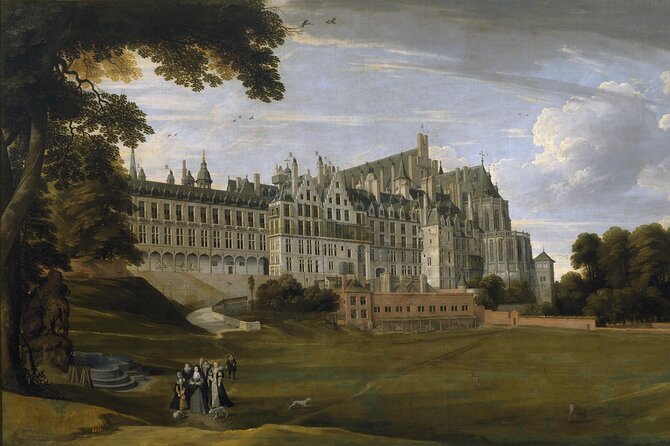
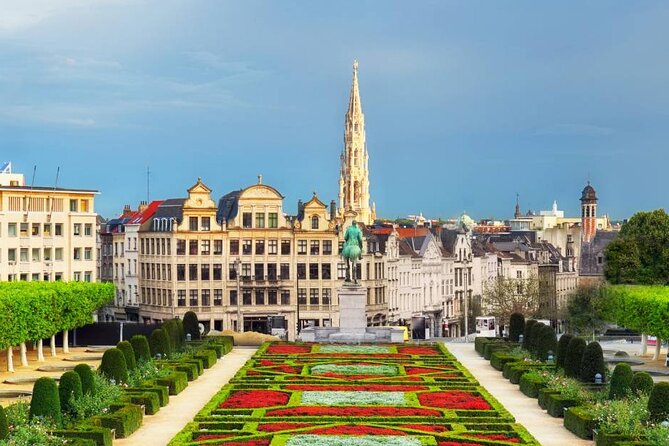
As the tour moves toward Mont des Arts, you shift from open squares into a calmer, elevated zone. You will encounter the Mont des Arts Garden, a place to breathe for a minute and reset your legs. Even if you only spend a few minutes there, it changes the feel of the walk.
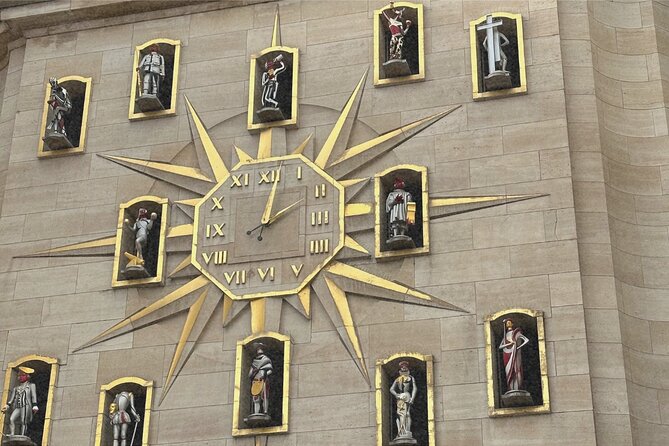
You also get bell moments around the Mont des Arts area, including references like Le Carillon du Mont des Arts and the Klokkenspel van de Kunstberg. Brussels has a way of adding sound to architecture, and these bells are a great reminder that the city experience is not only visual. Look for the bell structure, then let the sound pull you into the space.
Coudenberg Palace is part of the story line here too. You may not see an entire palace complex standing the way you would in a movie set, but you still get the historical significance as you move through the relevant zone. The value of this section is perspective: it helps you understand how a royal center shaped the city even when the original structures are gone or changed.
Musical Instruments Museum and cultural stops you can pace
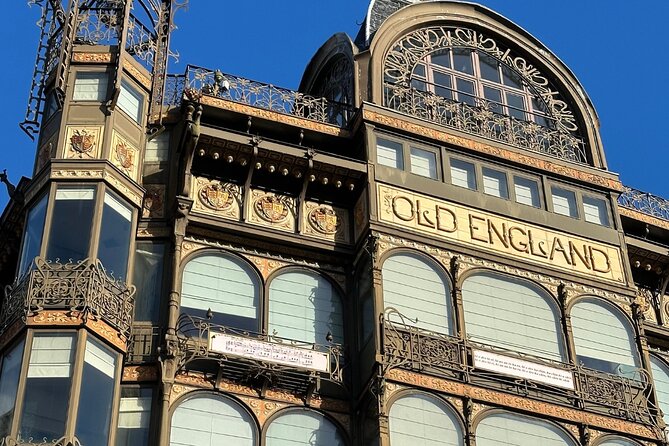
One major culture stop is the Musical Instruments Museum. The audio focuses on how music evolved through the ages, and it puts you in the right mindset to notice what museums are really doing.
Important practical note: tickets or entrance fees are not included. So you should think of this stop as either:
- a chance to enjoy the museum setting and audio guidance without entering, or
- an optional add-on if you choose to pay for admission on your own.
Either way, this is a smart mid-tour break because it slows your thinking. Instead of “look at the next monument,” you start linking sound, technology, and design across centuries.
Later on, the tour also highlights other cultural venues like Toone, the puppet theater with tradition behind it, and La Monnaie De Munt, the opera house. Again, you are not required to enter. But knowing what these places represent makes it easier to appreciate the architecture and the street life around them.
Palais du Justice and Grande Roue views that connect the whole walk
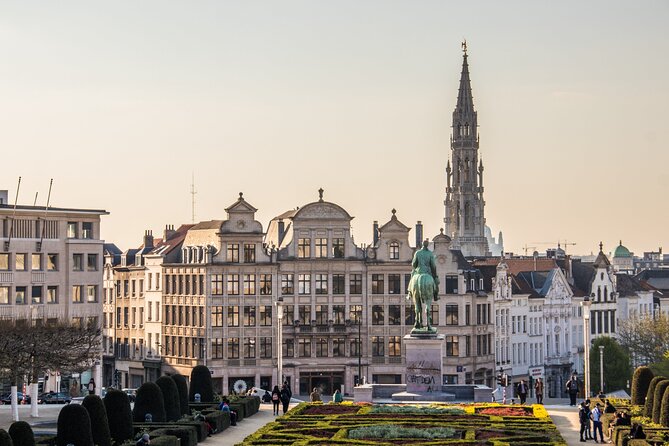
For pure pay-off, aim for the viewpoints. The tour includes an ascent to the Palais du Justice for panoramic city views. It is one of the best “walk math” moments: you can finally see how neighborhoods and streets relate to each other.
You also get the View Grande Roue Bruxelles, which offers another elevated perspective. If you are the type who likes to orient yourself, these sections are worth your effort. From high ground you stop thinking in disconnected stops and start thinking in city geography.
If uphill is draining you, focus on pacing. Take the audio in small segments if you need to, then keep moving toward the viewpoint until you get your skyline payoff.
Mary Magdalene Chapel and the quieter church circuit
The route includes several religious heritage stops, and they work well because they are spaced out enough that each one feels like its own mini chapter.
One of the notable ones is the Mary Magdalene Chapel. The audio provides historical and architectural context, which helps when a chapel looks small compared to palaces and squares. The lesson here is simple: in Brussels, the important story is often in the scale, the details, and what survived.
You also pass by the Church of Saint Catherine and learn about the Ancien Clocher Sainte Catherine, a reminder of medieval architecture remnants. This is a good place to slow down, because it is easy to miss what is older than the buildings around it.
At the Sablon area, you will reach the Church of Our Lady of Victories at the Sablon. Again, no tickets are included, so treat it as a visual and audio stop unless you decide to go inside on your own.
Jeanneke Pis and Manneken Pis, the humor side of Brussels
Yes, there is a “more than one” pee statue situation in Brussels. You will encounter Jeanneke-Pis, then later the world-famous Manneken Pis.
These stops are short, but they matter. They show you something real about Belgian culture, the ability to treat daily life with a wink. It would be easy to treat these as tourist trivia. With the audio prompts, you get why they are memorable: they are playful symbols wrapped in the city’s storytelling.
If you are traveling with kids, this section can turn a long walk into a game. If you are traveling solo, it still breaks the heaviness of palaces and courts. Either way, it is a fun reset button.
Statues, squares, and the “old city wall and harbor” clue
The tour takes you through Agoraplein – Grasmarkt, where you can spot remnants connected to Brussels’s former harbor and medieval city walls. This is one of the most satisfying “now I get it” stops, because it connects geography to history. You are not just looking at an old wall idea, you are seeing how the city’s physical shape once served trade and defense.
You also pass by De Brouckèreplein, a lively public square area with lots of city energy. And between these busier blocks, you will find small lanes that feel more like “walk and notice.”
Black Tower and Anneessenstoren, old structures in a modern city
Brussels has a habit of mixing eras in the same frame. The route includes the Black Tower, an ancient structure surrounded by more modern buildings. That contrast can be surprisingly moving. It also helps you see how cities grow without erasing everything.
Another architecture stop is Anneessenstoren, where you get both historical context and a chance for a pretty city view. It is a classic Brussels moment: a narrow structure, a bigger view, and the feeling that you are in the middle of a living timeline.
Money and administration: Stock Exchange, City Museum, and Town Hall
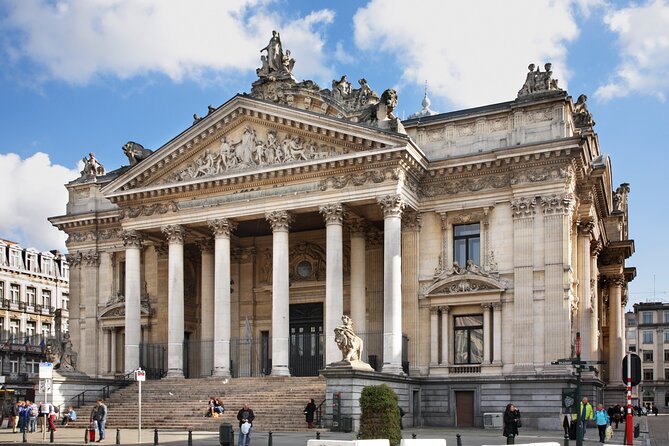
You will see Brussels Stock Exchange as part of the walk, then continue on to the Brussels City Museum and the Brussels Town Hall.
Tickets are not included, so this section depends on how you like to travel:
- If you are mostly into street-level history, you can take the audio guidance and enjoy the exterior power of these institutions.
- If you want more, you can choose to pay for entry to the museum areas yourself.
Either way, this part of the tour helps you understand Brussels beyond government and buildings. You see how finance and administration shaped the city, which is especially relevant if you know Brussels today as a center of diplomacy and international affairs.
Town Hall, in particular, is worth your attention even if you only see it from the street. It is the kind of building that makes you feel how civic pride became architecture.
Timing, shoes, and how to keep the tour fun
This tour works best if you treat it like a guided stroll, not a timed race. Aim for early to mid-day if you can. You are on foot, and viewpoints come with steps and uphill stretches.
Bring:
- Comfortable walking shoes (some climbs are part of the route).
- A charged phone, because you need the app running for audio and navigation.
- Headphones, since smartphone and headphones are not included.
The app also gives you a way to pause and resume. If a climb is slowing you down, stop at a natural resting point, take a breather, then continue. The best self-guided tours feel flexible, and this one is set up for breaks.
Value check: is $9.99 worth it?
At $9.99 per person, this tour is priced like a budget-friendly way to get structure. The real value comes from what you receive after you pay:
- Lifetime access to the English tour
- Offline audio, maps, and geodata
- Ability to use it before and after your booking date
- A virtual tour option you can use at home
You are not paying for museum tickets, transport, or food. You are paying for a guided walking narrative that helps you interpret what you are already seeing. For that goal, it is strong value, especially if you like learning on the move.
The only scenario where it might feel less worth it is if you only want museum entrances. Since ticketed access is not included, you may end up paying extra on top if you want to go inside every stop.
What can go wrong, and how to handle it fast
One downside you should plan for is app behavior. If your narration starts repeating or seems to loop, do not waste your whole day guessing. Pause, check that you are still on the correct stop in the app, then restart playback if needed.
And if the problem persists, VoiceMap support is reachable by email or telephone. That matters because a tech hiccup can turn a good walking story into frustration. With a quick fix, you keep the tour enjoyable instead of abandoning it.
Should you book this self-guided Brussels tour?
Book it if you want a low-cost, high-structure way to see Brussels in a couple of hours, with enough stops to feel like you learned something but not so many that it becomes exhausting.
Pass or adjust expectations if you want an entry-heavy museum day, because ticketed attractions are not included. Also, if you know you struggle with uphill climbs, plan breaks and keep your priorities on the viewpoints.
If you like your travel in walking segments, enjoy architecture details, and want the city’s humor and culture mixed in with major landmarks, this is a fun way to do Brussels without waiting for a group.
FAQ
What is the duration of the Brussels self-guided tour?
The tour is approximately 1 hour 30 minutes to 2 hours.
How much does the tour cost?
The price is $9.99 per person.
Does the tour include museum tickets or entrance fees?
No. Tickets or entrance fees to museums or other attractions en route are not included.
Do I need an internet connection during the tour?
You can use offline access for audio, maps, and geodata through the VoiceMap app, so you do not have to rely on mobile data.
What do I need to bring with me?
You will need a smartphone and headphones, since they are not included.
When does the tour run?
The tour is available daily, from 12:00 AM to 11:59 PM (for the dates listed).
More Belgian Tours
Every Belgium Review
More Ways to See Brussels
Newer Belgium reviews from the same corner of the country
- Discover the secrets of Brussels while playing
★ 5.0 · 3 reviews - Standard vehicle from Charleroi airport to city of Brussels
★ 4.5 · 3 reviews - Private tour to Ghent from Brussels (5hours walk & drive)
★ 5.0 · 3 reviews - Full day Brugge & Ghent: the gems of Flanders
★ 5.0 · 3 reviews - Private tour : Best of Brussels half day From Brussels
★ 5.0 · 3 reviews
Brussels Tours, side by side.
 ★ 4.4Brussels: Atomium Entry Ticket with Design Museum TicketFrom $199,254 reviews
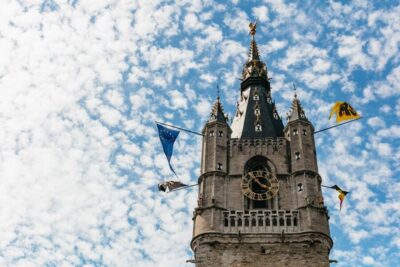 ★ 4.6From Brussels: Guided Day Trip to Bruges and GhentFrom $558,353 reviews
 ★ 4.7From Brussels: Bruges & Ghent Day Tour – 2 Fairytale CitiesFrom $578,242 reviews
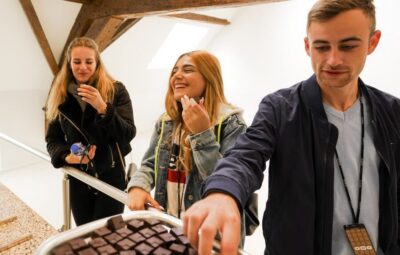 ★ 4.3Choco-Story Brussels: Chocolate Museum Entrance with TastingFrom $184,883 reviews
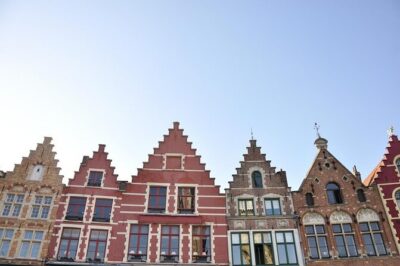 ★ 4.0Bruges and Ghent – Belgium’s Fairytale Cities – from BrusselsFrom $594,809 reviews
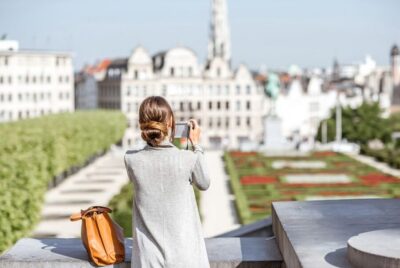 ★ 4.0Brussels: Hop-On Hop-Off Bus TourFrom $294,016 reviews
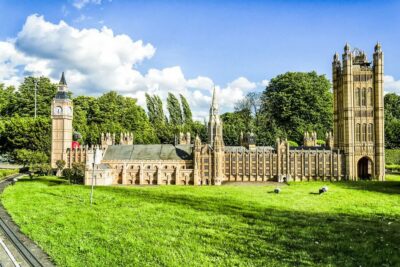 ★ 4.5Brussels: Entry Ticket to Mini-EuropeFrom $232,870 reviews
 ★ 5.0Hungry Mary’s Famous Beer and Chocolate Tour in BrusselsFrom $1192,258 reviews
Browse the lists this tour appears in