
REVIEW · BRUSSELS
Brussels: Fall and Rise of Art-Nouveau Guided Tour
Art Nouveau in Brussels finally makes sense. This guided walk turns decorative facades into clear lessons, with real-world stops and practical explanations, including sgraffito and how it differs from other wall techniques.
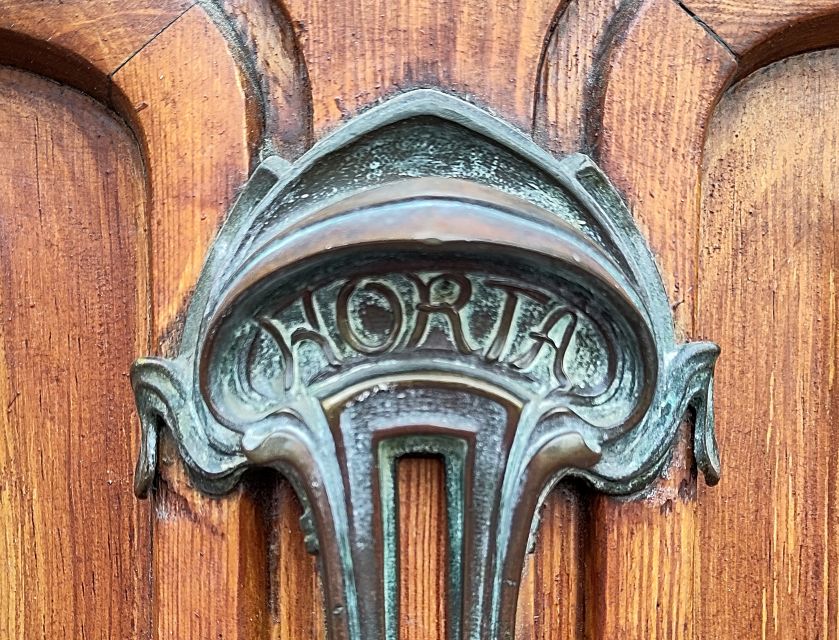
What I love most is the way you connect technique to place, not just theory. I also like that the tour points you toward the Victor Horta side of the story, including the historical remains tied to Maison du Peuple, plus plenty of pretty streets in the Saint-Gilles and Ixelles area.
One possible drawback: the tour is in Spanish only, and it’s still a real walking experience. You’ll cover about 3 kilometers, so pack for rain and expect an outdoor, hands-on pace.
In This Review
- Quick hits before you go
- Why this 150-minute Art Nouveau walk works
- Finding the group at Horta Metro, lines 3 and 4
- What you learn: techniques, sgraffito, and the Art Nouveau basics you’ll use
- Saint-Gilles and Ixelles: where Art Nouveau still looks steady
- Victor Horta’s Maison du Peuple remains, and what to make of fragments
- The route pace: 3 kilometers, about 150 minutes, and how to stay comfortable
- Language matters: Spanish-only and how to enjoy it anyway
- Who should book this tour
- Should you book this Brussels Art Nouveau guided tour?
- FAQ
- How long is the Brussels: Fall and Rise of Art-Nouveau guided tour?
- Where do I meet the guide?
- How much walking is included?
- What language is the tour in?
- Is the tour wheelchair accessible?
- What should I bring because of the weather?
Quick hits before you go
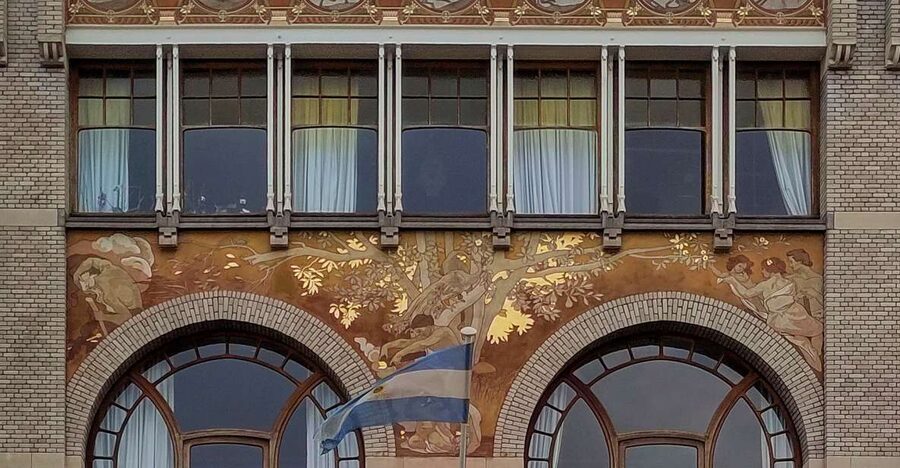
- Sgraffito, explained in plain terms so you can spot it and describe what you’re seeing
- Art Nouveau techniques you’ll recognize later when you wander on your own
- Victor Horta’s Maison du Peuple remains with context that makes the fragments meaningful
- Saint-Gilles and Ixelles streets with stable Art Nouveau houses from the late 19th century
- A 3-kilometer route around Brussels outskirts that feels calmer than the busiest core
Brussels has more to it than one route
- Brussels: Atomium Entry Ticket with Design Museum Ticket★ 4.4 · 9,254 reviews
- From Brussels: Guided Day Trip to Bruges and Ghent★ 4.6 · 8,353 reviews
- From Brussels: Bruges & Ghent Day Tour – 2 Fairytale Cities★ 4.7 · 8,242 reviews
- Choco-Story Brussels: Chocolate Museum Entrance with Tasting★ 4.3 · 4,883 reviews
Why this 150-minute Art Nouveau walk works
Brussels can be a lot, especially if your Art Nouveau knowledge is mostly vibes and photos. This tour helps you get past the postcard look. In about 150 minutes, you get a structured way to read the buildings: what to look for, how techniques work, and why certain features mattered in the late 1800s.
For you, the payoff is simple. After the walk, you should be able to look at a facade and say things like, I see how the surface was made, I understand what the ornament is doing, and I know what to call it. That’s real value, because it turns “pretty” into “I get it.”
Also, you’re not just staring at walls. The route moves you through parts of Brussels where Art Nouveau still feels lived-in, not sealed behind museum glass. And because the guide adds audiovisual information, you can connect what you see in front of you with what the style meant, without needing to research for hours later.
Finding the group at Horta Metro, lines 3 and 4
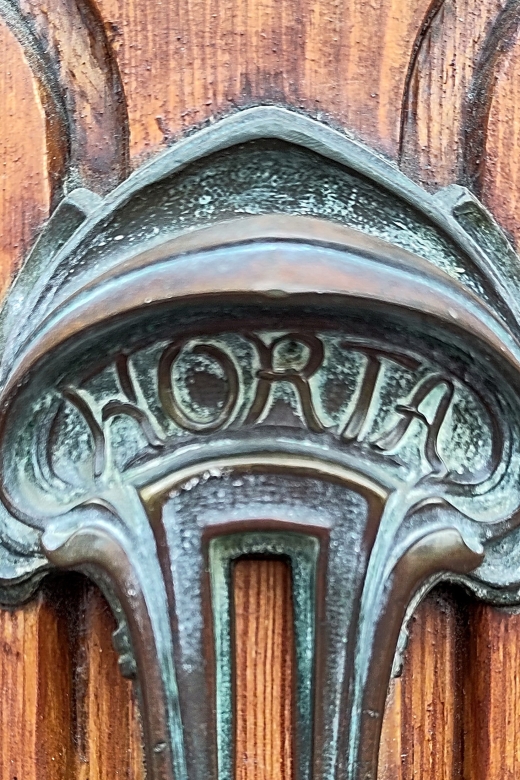
Your first job is easy: meet next to the Horta Metro station on lines 3 and 4. The appointment spot is on Chaussée de Waterlo, at number 187. Your guide wears a Curiositas Mundus badge, so you can confirm you’re in the right place quickly.
Two practical tips that make mornings like this smoother:
- Arrive a few minutes early and stand where people naturally pause, since the station area can be busy.
- If you’re unsure, watch for the badge first, then match the guide’s group behavior with other travelers gathering nearby.
This is a walking tour, not a drive-by. So the meeting point matters. Starting near Horta also helps you ease into the neighborhoods without a complicated transit shuffle before the architecture lessons begin.
What you learn: techniques, sgraffito, and the Art Nouveau basics you’ll use
The backbone of the tour is teaching you how Art Nouveau buildings are made and decorated. You’ll cover the most used techniques in the style, which is exactly what you need if you want to keep learning after the walk.
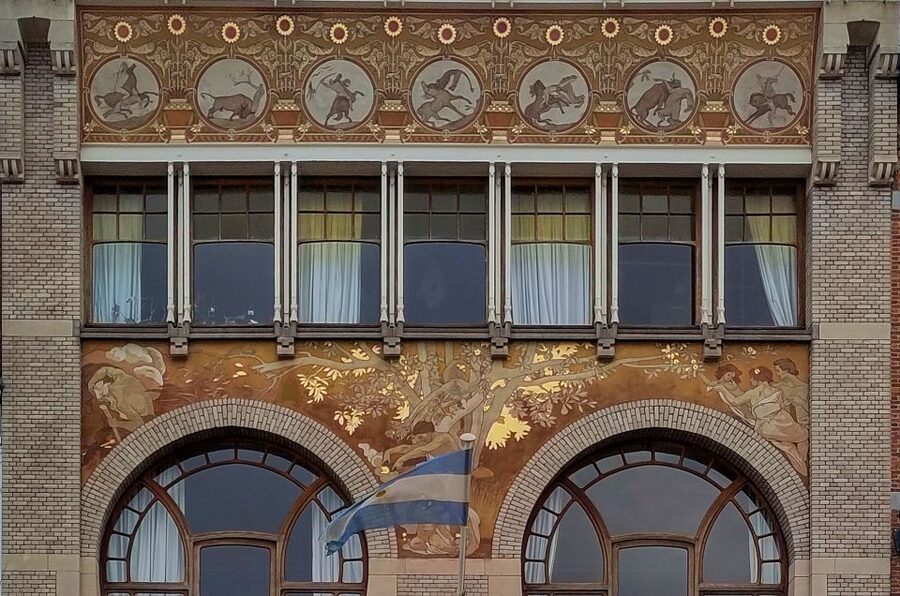
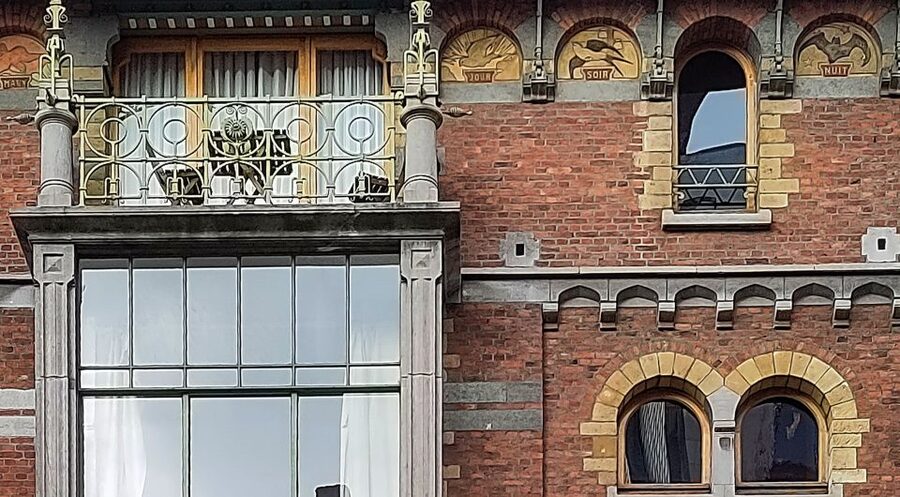
The star topic is sgraffito. The guide explains what it is and how it differs from frescoes. Here’s the kind of mental shortcut you should take away:
- Sgraffito is about carving or scratching through layers on a surface so contrasting parts show through.
- Fresco is painting directly onto plaster while it’s still wet, so the artwork becomes part of the wall as it cures.
That difference is the difference between looking at texture work versus image work. Once you grasp it, you’ll start noticing which facades are built around surface reveal and which are built around painted effects.
You’ll also be exposed to the idea of what might be considered the earliest Art Nouveau house. The tour frames it as a milestone, so you understand why certain later buildings are “Art Nouveau” and not just decorative. If you’ve been wondering why people sometimes refer to a first house like it matters, this is where it becomes clear.
Even better, the tour doesn’t leave you with only definitions. The guide is walking you past real facades while discussing the techniques, so you can match the vocabulary to shapes, lines, and wall treatment in real time. That’s the kind of learning you retain.
Saint-Gilles and Ixelles: where Art Nouveau still looks steady
Brussels Art Nouveau is not only about famous architects. It’s about where the houses survived and stayed intact enough to study. The tour focuses on the Brussels region’s town-hall communes, with special attention to Saint-Gilles and Ixelles, where there are several of the more stable Art Nouveau houses created by the innovative architects of the late 19th century.
Why this matters for you: if you only see a few “icon” buildings, Art Nouveau can feel like a one-off style. But when you walk streets where the houses are still there, it starts to feel like a movement that shaped everyday architecture. That shift in perspective is often what makes people fall in love with a city’s design.
You’ll also get time to simply look. The tour leans into admiration of some of the most beautiful streets in Brussels, plus charming streets around the outskirts. This part is not filler. It helps you place the buildings in context: street width, facade rhythm, and how ornament interacts with everyday foot traffic.
A small consideration: because you’re walking and watching, you’ll want to keep your expectations realistic. You’re not touring inside private homes. You’re training your eye on exterior architecture and the remains of key sites.
Horta staircases, comic walls, the Atomium
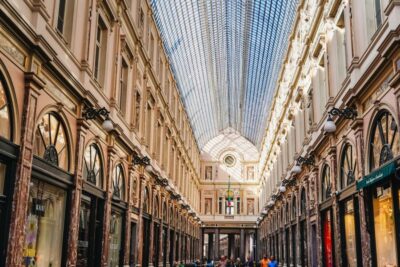
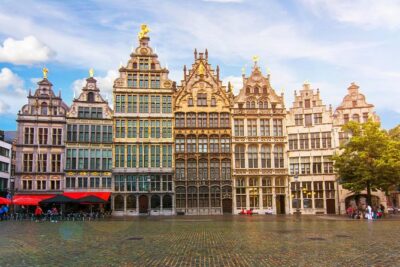
Victor Horta’s Maison du Peuple remains, and what to make of fragments
One of the highlights is exploring the historical remains of Victor Horta’s Maison du Peuple. Even if you haven’t studied Horta before, seeing a major architect’s work referenced on the street level is a strong moment.
Here’s what the tour does well: it treats the remains as part of a story, not just a “point on a map.” You learn enough context to understand why the Maison du Peuple matters for Art Nouveau in Brussels, and why people still refer to it when discussing the style’s rise and transformation.
And since the walk includes both technique education and these Horta-linked stops, you’re not just hearing, Horta was important. You’re also seeing how Art Nouveau communicates ideas through design. Even with fragments, the architectural language can still be read.
If you’re the kind of traveler who likes to understand why a place is referenced in guidebooks, you’ll appreciate this segment. You’ll get a way to translate what you see into something meaningful, which makes the rest of your Brussels wandering more interesting.
The route pace: 3 kilometers, about 150 minutes, and how to stay comfortable
This is an outdoor walking tour with approximately three kilometers of travel. 150 minutes sounds quick on paper, but architecture tours often move at an “informational pace,” meaning frequent stops, short explanations, and time to look closely.
That pace is a plus if you like learning in short bursts. It can feel slow if you prefer constant movement. Either way, it’s manageable for most people, as long as you treat it like a walk, not a sit-down museum.
Come prepared for weather. The tour specifically recommends bringing an umbrella and rain gear. Belgium rain can be sneaky, and you don’t want to be stuck holding your phone in one hand while trying to keep notes dry.
Because the tour is marked as wheelchair accessible, it’s designed with practical routing in mind. That said, accessibility experiences depend on the exact sidewalk conditions on the day, so it’s smart to wear supportive footwear regardless.
Language matters: Spanish-only and how to enjoy it anyway
The tour runs in Spanish. If you speak Spanish at a basic level, you should be fine. The guide’s style is also described as clear and helpful, and the explanations are paired with what you can see on the facades.
One detail I find encouraging from past feedback: guides described as dedicated and strong on knowledge, with clear answers to questions. If you’re comfortable asking a question, even a short one, you’ll likely get a more personal explanation.
If Spanish is not your strength, you can still get value by focusing on the visual side:
- Watch where the guide points on the facades.
- Pay attention to any repeated words tied to specific design features.
- Use your phone for quick photo reminders, so you can translate later at your own pace.
Who should book this tour
This tour is a great fit if:
- You want to understand Art Nouveau beyond generic photos.
- You like architecture details, especially surface techniques like sgraffito.
- You want an efficient way to study Brussels neighborhoods linked to late 19th-century design.
- You prefer short lessons paired with street-level viewing.
It might be less ideal if:
- You strongly need a fully English experience. The tour is Spanish.
- You dislike walking outdoors or you are not comfortable covering about three kilometers.
Should you book this Brussels Art Nouveau guided tour?
Yes, you should book it if your goal is to leave with usable building knowledge, not just a photo stack. At $17 per person for a 150-minute guided walk that includes both audiovisual support and a focused Art Nouveau technique lesson, the value is solid. You’re paying for interpretation, not for distance or a big attraction ticket.
I would book this especially if you enjoy making your own city connections. After this walk, you’ll be better equipped to spot Art Nouveau features on your own, and the Horta linked stop gives you a meaningful anchor for what you’re seeing across Brussels.
If Spanish is a deal-breaker, then skip it and look for an English alternative. If it’s not, pack your rain gear, meet by Horta Metro station at Chaussée de Waterlo 187, and give yourself permission to slow down. This style rewards looking closely.
FAQ
How long is the Brussels: Fall and Rise of Art-Nouveau guided tour?
It lasts about 150 minutes.
Where do I meet the guide?
Meet next to the Horta Metro station (lines 3 and 4), on Chaussée de Waterlo at number 187.
How much walking is included?
The tour includes approximately three kilometers of travel.
What language is the tour in?
The live tour guide speaks Spanish.
Is the tour wheelchair accessible?
Yes, it is listed as wheelchair accessible.
What should I bring because of the weather?
Bring an umbrella and rain gear, since rain is possible.
Every Belgium Review
Brussels Landmarks, Comics and Art Nouveau
More Ways to See Brussels
Newer Belgium reviews from the same corner of the country
- Discover the secrets of Brussels while playing
★ 5.0 · 3 reviews - Standard vehicle from Charleroi airport to city of Brussels
★ 4.5 · 3 reviews - Private tour to Ghent from Brussels (5hours walk & drive)
★ 5.0 · 3 reviews - Full day Brugge & Ghent: the gems of Flanders
★ 5.0 · 3 reviews - Private tour : Best of Brussels half day From Brussels
★ 5.0 · 3 reviews
Brussels Tours, side by side.
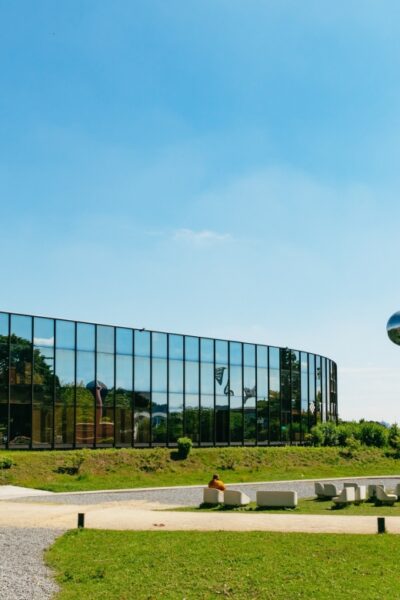 ★ 4.4Brussels: Atomium Entry Ticket with Design Museum TicketFrom $199,254 reviews
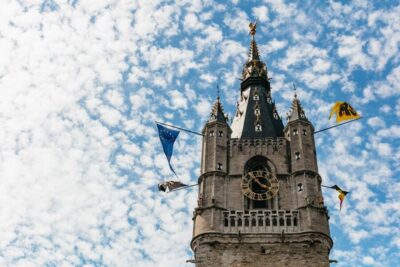 ★ 4.6From Brussels: Guided Day Trip to Bruges and GhentFrom $558,353 reviews
 ★ 4.7From Brussels: Bruges & Ghent Day Tour – 2 Fairytale CitiesFrom $578,242 reviews
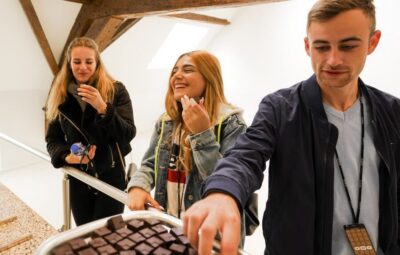 ★ 4.3Choco-Story Brussels: Chocolate Museum Entrance with TastingFrom $184,883 reviews
 ★ 4.0Bruges and Ghent – Belgium’s Fairytale Cities – from BrusselsFrom $594,809 reviews
 ★ 4.0Brussels: Hop-On Hop-Off Bus TourFrom $294,016 reviews
 ★ 4.5Brussels: Entry Ticket to Mini-EuropeFrom $232,870 reviews
 ★ 5.0Hungry Mary’s Famous Beer and Chocolate Tour in BrusselsFrom $1192,258 reviews
Browse the lists this tour appears in