
REVIEW · BRUSSELS
Brussels Politics Tour: Private & Personalized with a Local Guide
Politics has a street address in Brussels. This private tour uses the city itself as a living lesson, showing how EU power and local identity meet every day through an English-speaking local host. Along the way, guides like Laurence, Andrea, and Michael bring Brussels politics down to earth with real-world explanations.
I especially like the private format for you and your party, plus the way the host makes room for tough questions. One guide, Andrea, was praised for tackling in-depth policy topics like EU administration and energy links tied to the Russia-Ukraine war, while Laurence stood out for keeping the experience comfortable and respectful for guests with special needs.
One thing to consider: it is primarily a walking route, so if you hate getting around on foot, you may want to plan for public transport between stops and add time for breaks.
In This Review
- Key things that make this Brussels politics tour work
- Entering Brussels politics the way locals feel it
- Price and value, not just a number per person
- Meeting at Starbucks Grand Place, then choosing your start
- The first walk: how EU power layers on top of daily life
- Inside the EU Parliament, with explanations you can use
- A calm break in the political zone
- A 19th-century park that connects national pride to unity
- Matongé: a Congolese neighborhood with history on the walls
- Atomium and Mini-Europe: symbols you can read
- Guides make the difference, and the best ones can follow your questions
- Logistics that matter on a 3-hour private walk
- Who this tour is for, and who might want something else
- Should you book this Brussels politics tour?
- FAQ
- Where is the tour meeting point?
- Is this a private tour?
- How long is the Brussels politics tour?
- Is pickup available from my hotel?
- What language is the tour offered in?
- Is the tour mostly walking?
- Are food and drinks included?
- Are attraction tickets included?
- Is it free to cancel?
Key things that make this Brussels politics tour work
- Private attention that keeps your questions front and center (not a lecture you have to live through)
- EU basics explained in plain language so the Parliament and its purpose actually make sense
- Less-seen green space between big institutions, where the mood changes from intense to calm
- Matongé as a real neighborhood lesson, including how Congolese life intersects with colonial history
- Atomium plus Mini-Europe for the big-picture story, not just sightseeing for photos
- Comfort matters, since it is a walking experience with optional help from public transport if needed
Brussels has more to it than one route
- Brussels: Atomium Entry Ticket with Design Museum Ticket★ 4.4 · 9,254 reviews
- From Brussels: Guided Day Trip to Bruges and Ghent★ 4.6 · 8,353 reviews
- From Brussels: Bruges & Ghent Day Tour – 2 Fairytale Cities★ 4.7 · 8,242 reviews
- Choco-Story Brussels: Chocolate Museum Entrance with Tasting★ 4.3 · 4,883 reviews
Entering Brussels politics the way locals feel it
Brussels can be tricky on your first visit. The city looks like Belgium, but a huge chunk of the action is shaped by Europe. This is where the tour earns its keep. You walk through areas where EU decisions affect daily life, and your guide constantly ties what you see to how politics actually works.
What I like most is that you are not stuck with vague talking points. The hosts are set up to answer specific questions and go beyond the headline storyline. In the real world, EU politics can feel abstract. A good guide turns it into something you can point at, step near, and understand in context.
And because it is private, the conversation can match your pace. If you want more history, you can ask. If you care about policy details, you can ask that too. That flexibility is a big part of the value you are paying for.
Price and value, not just a number per person
At $137.24 per person for about 3 hours, this is not a bargain-basement city stroll. But for Brussels, the price makes sense when you factor in what you are actually getting.
You are paying for:
- a private walking experience (only your group)
- a guide who provides insider tips and personal commentary
- a pre-tour questionnaire that helps tailor the route
- direct communication with your host so you can shape your experience before you meet
If you have ever done a standard group tour, you know what it is like: the guide has a schedule, you have a camera, and the questions are mostly limited to quick clarifications. This tour aims for a different vibe, where the guide can slow down for real conversation and where off-the-radar stops actually serve the political story.
Yes, you still need to handle your own food and any attraction tickets. But you are not paying for museum time here. You are paying for interpretation, context, and a route that connects EU power to neighborhood life.
Meeting at Starbucks Grand Place, then choosing your start
The default starting point is Starbucks Grand Place 4, 1000 Bruxelles, Belgium. The tour ends back at the meeting point, so you are not stuck figuring out how to get home from your last stop.
Pickup is offered in a flexible way:
- the tour begins on foot
- your host can meet you at your selected hotel and start from there
- if your hotel is not an option, you can choose a central landmark meeting point instead
That sounds small, but it matters. In a city like Brussels, starting location determines how painless the first 20 to 30 minutes feel. If you are staying near central sights, you will likely have an easier start. If you are farther out, meeting at a central point can save time and walking fatigue.
Also note: the guide will contact you after booking to confirm the meeting point and help finalize details, so you should not feel like you are guessing your way in.
The first walk: how EU power layers on top of daily life
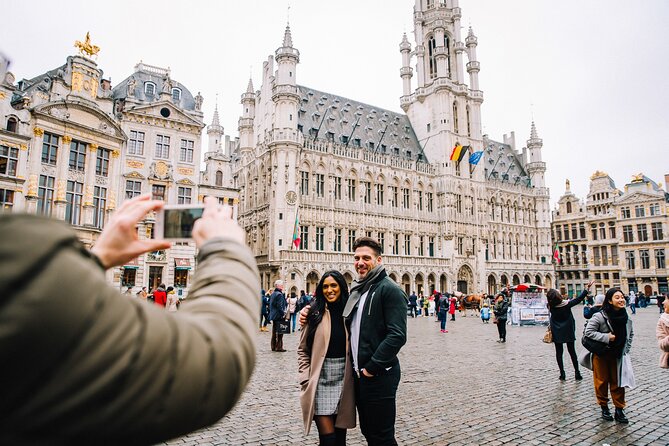
Your early time is about orientation and context. Brussels is not just a capital city, it is a political machine with a local pulse. Your guide helps you see the layers, the way EU institutions shape neighborhoods, architecture, and everyday routines.
This is the part where you decide how you want to experience the rest. Do you want to focus on governance and how decisions are made? Or do you want to concentrate on how the EU presence affects street life, jobs, and identity? Either way, the guide sets the stage so later stops make more sense.
A benefit of starting with this kind of framing: when you later stand near big political buildings and major symbols, you are not just looking at impressive architecture. You are connecting the dots between institution, people, and policy.
Other tours with a guide out front
Inside the EU Parliament, with explanations you can use
One major stop is at the heart of European politics, where your host explains how the Parliament functions and who it represents. The big value here is that you are not handed a dry overview.
Your guide focuses on the practical question: what does this institution actually do, and why does that matter to people living in Brussels? If you like politics but do not want a textbook tone, this is a good fit. You should expect the conversation to be interactive, with room for questions.
This is also a place where privacy pays off. You can ask about administrative structure, how different bodies relate, or how policy themes connect to current events. One of the strongest praise points from a recent experience was the depth of question-and-answer time, including energy topics connected to the war with Russia-Ukraine.
If you are the type who likes to understand the why behind headlines, plan your questions in your notes before you start. The guide can only answer what you ask.
Possible drawback: if you only want quick photo stops with zero politics, this may feel heavy. The tour leans toward discussion. Bring curiosity, not just a camera.
A calm break in the political zone
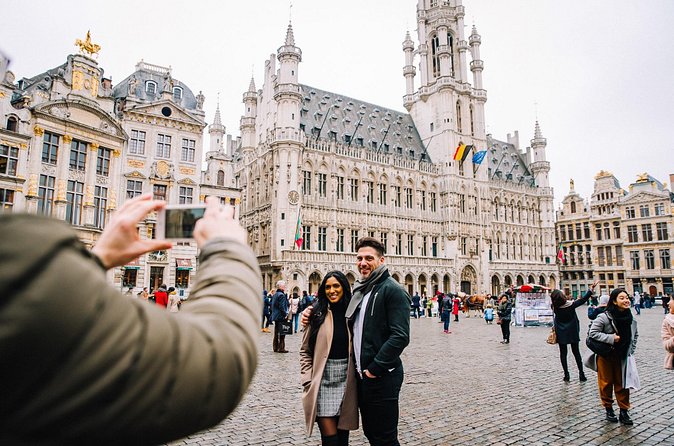
Between the big institutions, you get a different kind of view: a peaceful urban park tucked between EU buildings. This is not filler. It is a deliberate pause that shows another side of how politics and place interact.
In practical terms, this stop gives you:
- a mental reset after denser institutional areas
- a chance to ask more questions without feeling like you are rushing
- an atmosphere shift that helps you notice the human scale in the middle of power
It is also a helpful lesson in Brussels itself. Even where international influence dominates, city life does not disappear. People still walk, sit, and breathe. That matters for understanding the EU presence as something lived, not just decided.
If you are traveling with kids, this kind of pause can keep energy up. If you hate lingering, you can still treat it as a short breathing space and move on with the story.
A 19th-century park that connects national pride to unity
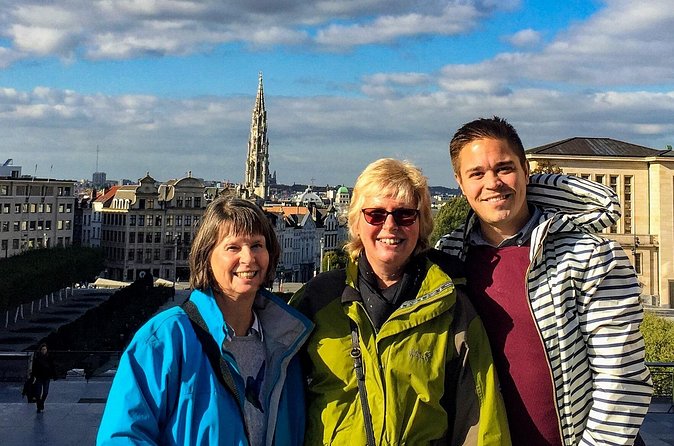
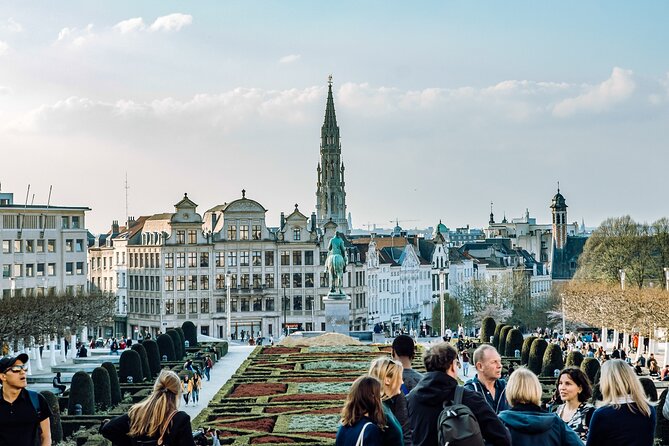
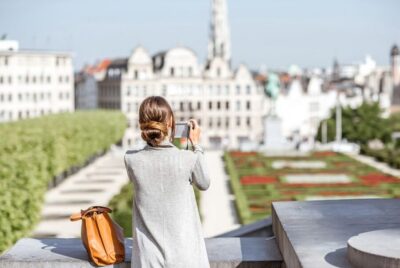
Another stop takes you into a 19th-century park known for its majestic arches and manicured gardens. Your host connects the park’s history of national pride to the ideals of European unity and integration you see in Brussels today.
This part works well for two reasons:
- you get a visual landmark that ties past and present together
- your guide explains the political symbolism without making it feel forced
Parks like this are perfect for taking photos, but the real point is what you learn while standing there. Architecture and gardens in Europe often carry political messages, even when they look purely aesthetic.
Possible drawback: if you are in Brussels only for a short visit and you are park-phobic, you might feel this stop is slower than you want. But the pace is typically part of the format, since it helps the tour alternate between intense policy talk and physical context.
Matongé: a Congolese neighborhood with history on the walls
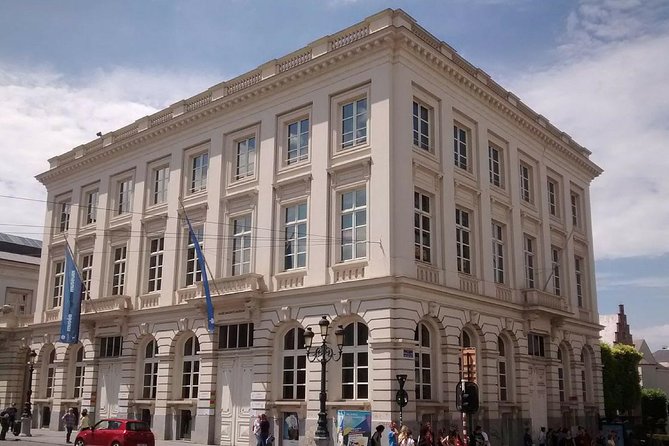
Then the tour turns to Matongé, a neighborhood known for its Congolese roots and modern multicultural life. Here you get color, energy, shops, murals, and cafés, all tied to the neighborhood’s story.
Your guide explains how Matongé reflects both:
- colonial legacy, and
- the way communities continue and evolve today
This is one of the most human parts of the tour. The EU may dominate Brussels on paper, but neighborhoods like Matongé show how people actually live with history, culture, and identity on the street.
Practical note: the tour does not include food or drinks. If you want to try something, you can use your guide’s local recommendations, then step into a café on your own or as time allows. The focus is on walking and learning, but the neighborhood stops are ideal for spontaneous side trips.
Who will love this stop? Anyone who prefers culture that feels lived-in, not staged.
Possible drawback: if you want only the EU institution story, Matongé shifts the emphasis toward people and community. That is the point, but it is worth knowing.
Atomium and Mini-Europe: symbols you can read
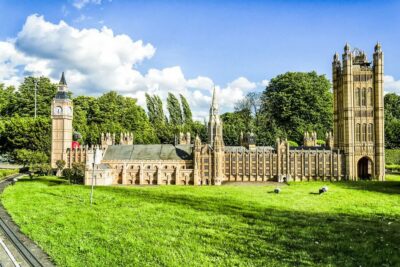
At the end of the tour, you reach Brussels’ most iconic structure, the Atomium, plus the nearby Mini-Europe exhibit. This is the big closing chapter: a visual way to interpret Europe’s past, the idea of unity, and the vision of progress that shaped the continent.
Your guide connects what the attractions represent to how Europe thinks about itself. It is not just about seeing famous landmarks. It is about learning how symbols work in politics, marketing, and collective imagination.
Mini-Europe is especially useful for people who like structure and overview. It compresses a lot into one setting, so by the time you finish, you have a clearer sense of how Brussels fits into the wider European story.
Possible drawback: tickets are not included. If you plan to go into Mini-Europe or other paid areas near the Atomium, budget for that separately. Your guide can point you the right way, but you handle the ticket side.
Guides make the difference, and the best ones can follow your questions
The reviews behind this experience highlight something important: the guide quality is a major part of why it works.
- Laurence is praised for strong adaptability, including keeping guests with special needs comfortable and engaged. That kind of thoughtful pacing matters on a walking route.
- Andrea is praised for breadth of policy knowledge, plus the ability to talk through complex issues like EU administrative structures and energy considerations tied to the Russia-Ukraine war.
- Michael is praised for flexibility and for sharing a range of perspectives in an engaging, thoughtful way, especially for people who want genuine discussion rather than a fixed guide script.
Even if your guide is different from these names, the pattern is clear: the best hosts treat this as a conversation. They do not just recite facts.
How to get the most from your guide
- bring 2 or 3 questions you genuinely care about (policy, history, or how Brussels functions)
- tell your guide what you want more of, history or current issues
- wear shoes that can handle 3 hours of walking without drama
Logistics that matter on a 3-hour private walk
This is listed as a walking experience and it starts on foot. No private vehicle is included. For longer distances, your host may suggest using public transport, and any transport costs can be discussed and settled on the day.
That matters because it shapes your comfort level:
- If you are fine walking at a moderate pace, the whole thing can feel smooth.
- If you need shorter segments, plan to use public transport between stretches when your host recommends it.
- If it is raining, walking can still be doable, but you might want to bring a compact umbrella or wear weatherproof shoes.
The tour is available in English, and it is private, meaning only your group participates.
Duration is about 3 hours, which is a sweet spot. Long enough to connect the dots, short enough that you still have time to wander on your own afterward.
Who this tour is for, and who might want something else
This tour is a strong match if you:
- want to understand the EU without feeling overwhelmed
- like political conversation and Q and A time
- enjoy neighborhoods and city context more than museum-heavy days
- want a guide to tailor the pace and focus using the pre-tour questionnaire
It may be less ideal if you:
- prefer attractions-only sightseeing with minimal talking
- hate walking routes
- are not interested in politics, policy, or how institutions influence daily life
Should you book this Brussels politics tour?
Yes, if you want more than a surface-level Brussels overview. The value here is the combination of private attention, a local guide with real policy conversation skills, and stops that connect institutions to neighborhoods. You end with major symbols like the Atomium and Mini-Europe, but you do not start with tourist clichés. You start with context.
I would book it if your ideal day includes learning something you can actually use, like how the Parliament functions and why it affects life in Brussels. And I would skip it only if you want a fast, quiet, photo-only route with no discussion.
If you do book, come prepared with questions. This tour is at its best when you treat it like a guided conversation, not a checklist.
FAQ
Where is the tour meeting point?
The tour starts at Starbucks Grand Place 4, 1000 Bruxelles, Belgium, and it ends back at the same meeting point.
Is this a private tour?
Yes. It is a private tour/activity, and only your group participates.
How long is the Brussels politics tour?
The duration is approximately 3 hours.
Is pickup available from my hotel?
Pickup is offered in the sense that your host can meet you at your selected hotel, and the tour begins on foot. If your hotel is not available, you can choose the central landmark meeting point option.
What language is the tour offered in?
The tour is offered in English.
Is the tour mostly walking?
It is primarily a walking experience, and a private vehicle is not included. For longer distances, public transport may be used at an additional cost.
Are food and drinks included?
No. Food and drinks are not included.
Are attraction tickets included?
No. Tickets to any attractions are not included.
Is it free to cancel?
You can cancel for free. You must cancel at least 24 hours in advance of the experience start time for a full refund.
More Belgian Tours
Every Belgium Review
More Ways to See Brussels
Newer Belgium reviews from the same corner of the country
- Discover the secrets of Brussels while playing
★ 5.0 · 3 reviews - Standard vehicle from Charleroi airport to city of Brussels
★ 4.5 · 3 reviews - Private tour to Ghent from Brussels (5hours walk & drive)
★ 5.0 · 3 reviews - Full day Brugge & Ghent: the gems of Flanders
★ 5.0 · 3 reviews - Private tour : Best of Brussels half day From Brussels
★ 5.0 · 3 reviews
Brussels Tours, side by side.
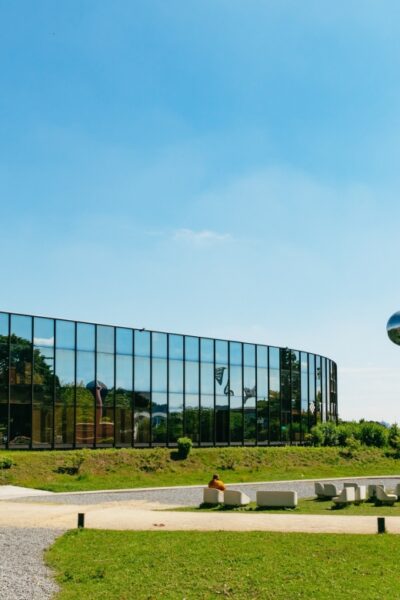 ★ 4.4Brussels: Atomium Entry Ticket with Design Museum TicketFrom $199,254 reviews
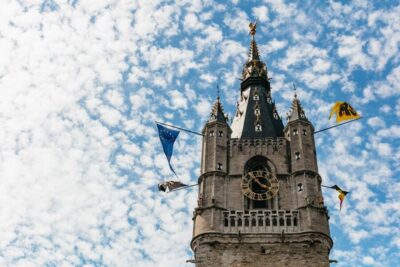 ★ 4.6From Brussels: Guided Day Trip to Bruges and GhentFrom $558,353 reviews
 ★ 4.7From Brussels: Bruges & Ghent Day Tour – 2 Fairytale CitiesFrom $578,242 reviews
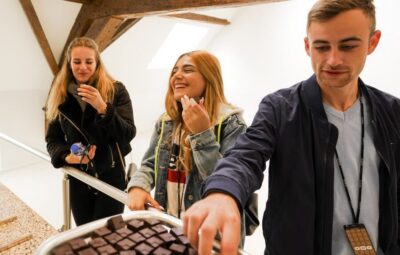 ★ 4.3Choco-Story Brussels: Chocolate Museum Entrance with TastingFrom $184,883 reviews
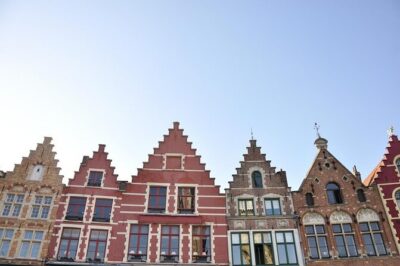 ★ 4.0Bruges and Ghent – Belgium’s Fairytale Cities – from BrusselsFrom $594,809 reviews
 ★ 4.0Brussels: Hop-On Hop-Off Bus TourFrom $294,016 reviews
 ★ 4.5Brussels: Entry Ticket to Mini-EuropeFrom $232,870 reviews
 ★ 5.0Hungry Mary’s Famous Beer and Chocolate Tour in BrusselsFrom $1192,258 reviews
Browse the lists this tour appears in