
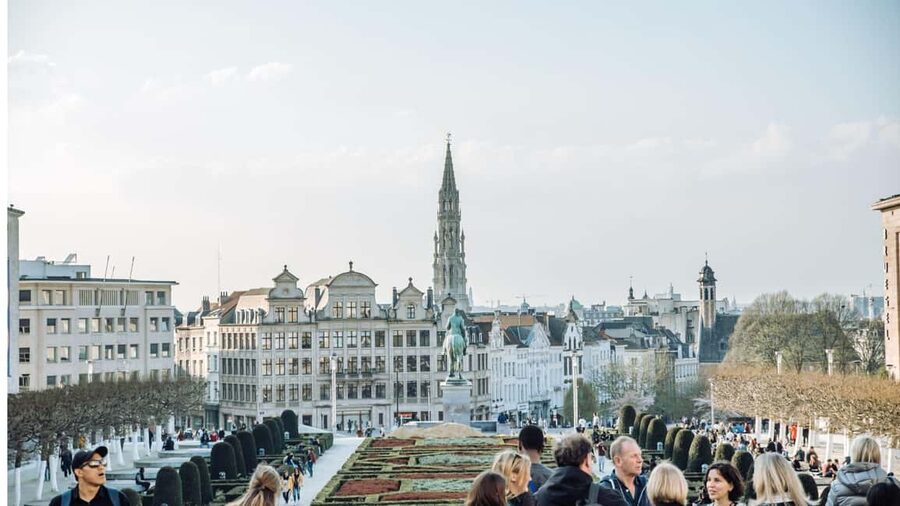
REVIEW · BRUSSELS
Brussels: Private Tour of the European Quarter
EU halls can feel personal, not cookie-cutter. This private 3-hour walking tour puts Brussels’ European Quarter in context, with a passionate local host who shapes the route around what you actually care about. I like that it is private and that you get a real local host instead of a generic script.
I especially love the pre-tour questionnaire approach, because it helps the experience lean toward your interests, whether that is politics, architecture, or everyday neighborhoods. You also get the practical benefit of direct communication with your guide, so the walking plan can flex as you go. One guide name that comes up in feedback is Andrea, praised for making complicated European and Brussels stories easy to follow.
The main trade-off is simple: it is a walking experience. You may also use public transport to transfer between sites, and those costs are not included, so plan for a little extra budget and comfortable shoes.
In This Review
- Key things to know before you go
- A European Quarter tour that doesn’t feel like a lecture
- How the pre-tour questionnaire turns into a customized walk
- Walking past the European Parliament, with the story behind it
- Parc du Cinquantenaire: where the walk gets breathing room
- Art Nouveau streets, courtyards, and real café moments
- Matonge detours for Congolese culture and Brussels beyond EU buildings
- What you get for $121, and who it really suits
- Meeting point, pacing, and practical comfort
- Should you book this Brussels European Quarter private tour?
- FAQ
- How long is the Brussels European Quarter private tour?
- What languages are the live guides?
- Where does the guide meet us?
- Is transportation between stops included?
- Are food, drinks, or attraction tickets included?
- Is the tour wheelchair accessible?
Key things to know before you go
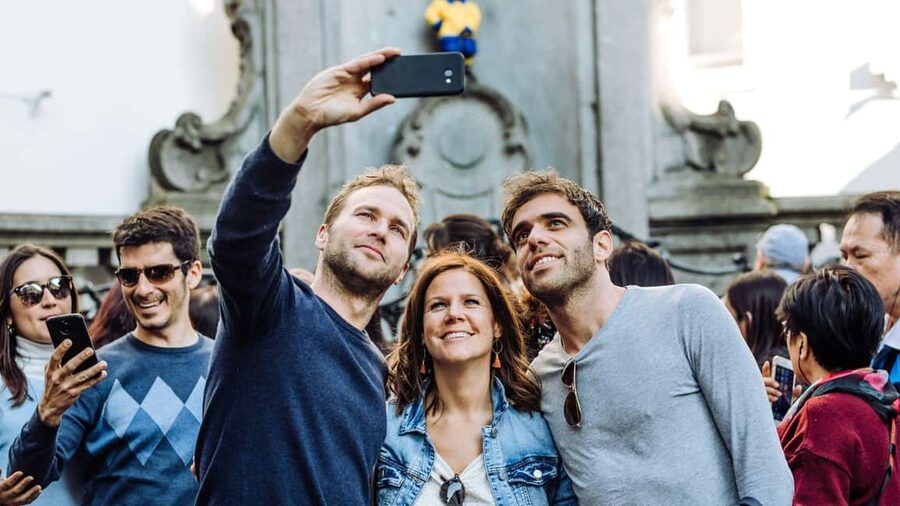
- A route built around you: You answer a questionnaire first, then your host uses it to shape the itinerary.
- EU power, explained clearly: You walk past major EU institutions and get the story behind what you are seeing.
- Classic buildings meet modern offices: Expect real contrasts in scale, materials, and architectural style.
- Quiet side streets included: The walk is designed to show calmer streets, courtyards, and café life, not just big facades.
- Your guide adapts in real time: If you want pastries, a longer chat, or more neighborhood culture, the plan can shift.
- Private group pace: You are not fighting for space or stuck with a one-size schedule.
Brussels has more to it than one route
- Brussels: Atomium Entry Ticket with Design Museum Ticket★ 4.4 · 9,254 reviews
- From Brussels: Guided Day Trip to Bruges and Ghent★ 4.6 · 8,353 reviews
- From Brussels: Bruges & Ghent Day Tour – 2 Fairytale Cities★ 4.7 · 8,242 reviews
- Choco-Story Brussels: Chocolate Museum Entrance with Tasting★ 4.3 · 4,883 reviews
A European Quarter tour that doesn’t feel like a lecture

The European Quarter is one of those places that can be hard to read from the outside. Big buildings. Serious angles. Security and careful streets. Without context, it is easy to just look and move on.
What makes this tour work is the way it is built around your curiosity. You are not forced into a rigid order of stops. Instead, your host turns Brussels’ political setting into something you can actually understand, then adds local flavor through streets, stories, and small pauses. It is the difference between watching Europe happen on paper and seeing how it feels in real city blocks.
And because it is private, you can ask the questions that pop up while you walk. Want the simple version first, then the deeper one later? Your host can usually shape the pacing to match your energy.
How the pre-tour questionnaire turns into a customized walk
Before you go, you fill out a questionnaire about your personality and interests. Based on your answers, you are paired with a like-minded host who then contacts you directly to build your itinerary through the European Quarter.
This matters more than it sounds. Brussels is not just EU buildings. It is also architecture from different eras, local neighborhoods with their own identity, and everyday street life. Your questionnaire gives your host permission to decide which parts matter most for your time.
Possible directions your host may steer toward include:
- EU history and how Brussels became such a political hub
- Architecture and the shift from grand 19th-century facades to sleek modern offices
- Local culture and neighborhood life, including a detour toward Matonge if that is your interest
You should expect your itinerary to be flexible and responsive. If you want to pause for a pastry, or slow down for conversation and side streets, the tour can adjust. That is not just comfort. It changes what you notice.
Walking past the European Parliament, with the story behind it
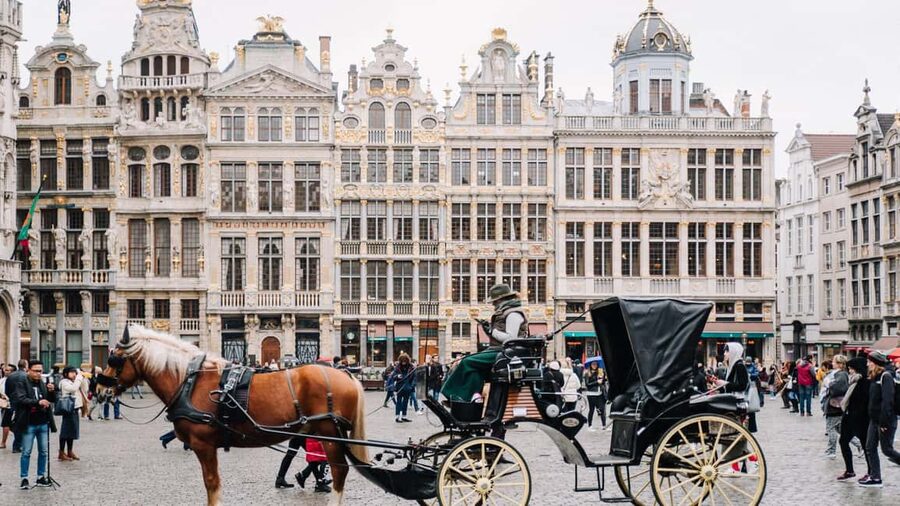
One of the clearest anchors of the tour is a walk past the European Parliament. Seeing it in person gives you scale fast. It is designed to communicate power, but from street level, the details and layout can still feel abstract.
That is where a good guide makes the difference. Your host helps connect what you are looking at to the larger idea of how European institutions work, and why this quarter looks the way it does. Even if you are not a politics person, you can usually follow the thread because the tour is designed to explain complicated history and culture in an understandable, enjoyable way.
If your interest leans toward institutions, this part of the walk is where you get the big picture. It also sets you up to notice contrasts later, because you start seeing how Brussels mixes official architecture with ordinary urban life.
A practical note: the European Quarter has a serious, security-minded vibe. You will likely move at a steady pace around public viewpoints and along proper pedestrian routes. This is normal, and it is part of why having a guide helps you avoid frustration.
Parc du Cinquantenaire: where the walk gets breathing room
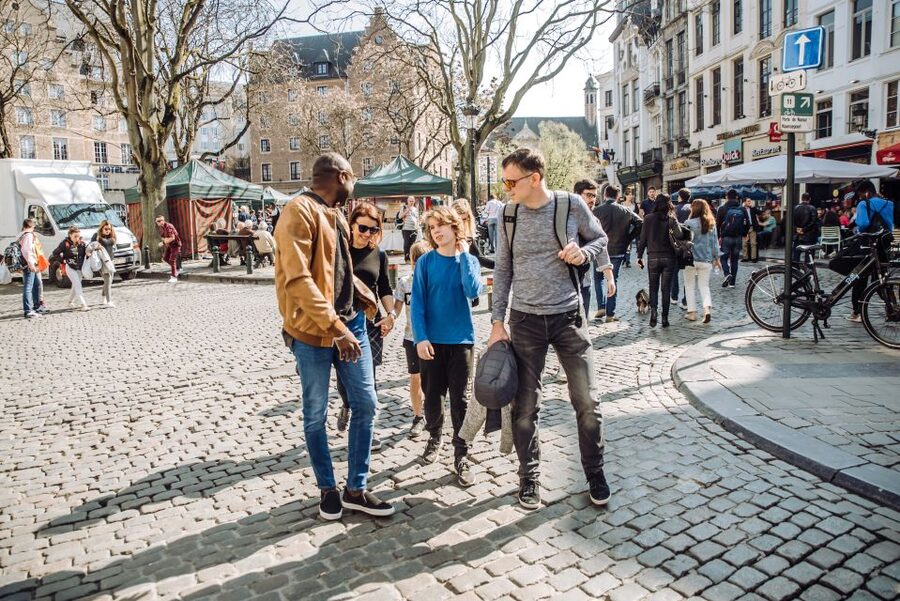
After the institutional focus, the tour often shifts to places that let you see Brussels differently. A key stop is Parc du Cinquantenaire.
Why this park matters on this kind of tour: it changes the atmosphere. You go from political buildings and modern lines to open space and architectural spectacle. The park area is a chance to step back and see how the European Quarter connects to older, monumental Brussels.
This is also the point in the tour where you tend to notice the architectural contrast more clearly: grand 19th-century facades versus the cleaner, modern office look. Your host can point out how these styles shape your experience of the neighborhood. It is not just pretty scenery. It tells you what kinds of priorities each era brought to the city.
If you like architecture, this segment is where you will feel like you are finally seeing the logic of the streets and buildings, not just walking between landmarks.
Horta staircases, comic walls, the Atomium
Art Nouveau streets, courtyards, and real café moments
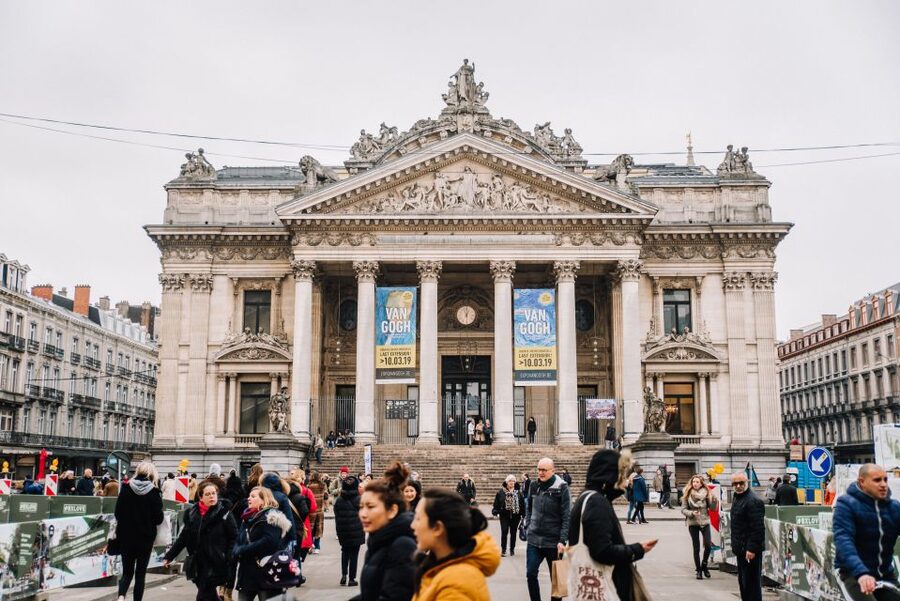
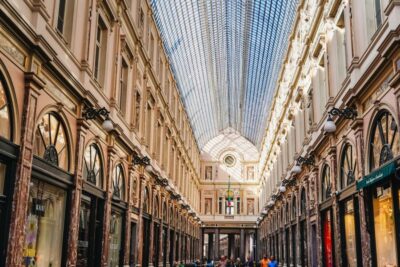
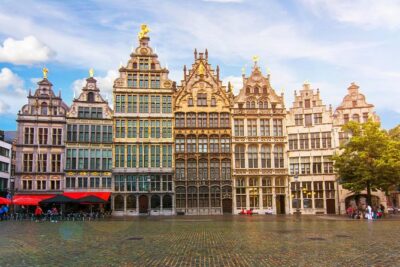
Brussels has a talent for mixing formal buildings with everyday charm, and this tour is designed to pull that into view. In addition to big EU sites, you will also walk through calmer streets where you can spot Art Nouveau details, plus quiet courtyards and cozy cafés.
This is one of the most valuable parts of the experience because it grounds the European Quarter in daily life. Even if your main interest is EU politics, you will start to feel what it means to live beside these institutions. Where the big buildings end, neighborhood streets begin. Where official thinking dominates, local rhythm takes over.
Your host can also guide you toward spontaneous moments, like a conversation with locals or a suggested pastry stop. Those choices may sound small, but they are usually what make a half-day feel like a real day out instead of a checklist.
Trade-off to consider: these smaller street moments depend on what your host senses you want and how the route is adjusted for your group’s pace. If you prefer very structured, no-slowdown tourism, you might have to remind your host that you want more landmark time and less “hang out and talk” time.
Matonge detours for Congolese culture and Brussels beyond EU buildings
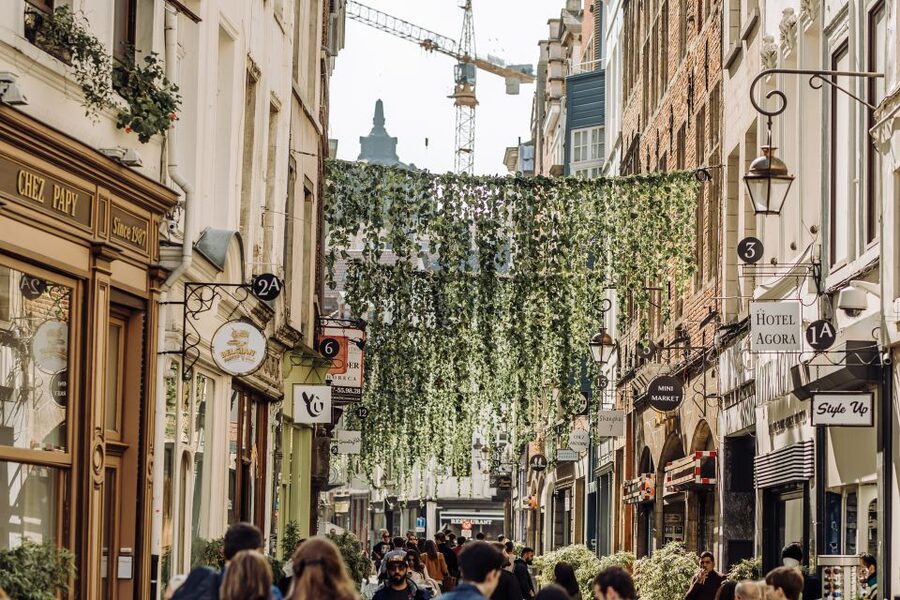
If EU politics is only half your reason for visiting Brussels, you will probably appreciate that the tour can steer toward Matonge. Matonge is known for its Congolese culture, and the tour can incorporate it depending on your interests.
This is valuable for two reasons. First, it balances the tour so you do not leave only with EU symbolism. Second, it shows that Brussels’ identity is bigger than the European bubble.
The European Quarter can sometimes feel like a separate world. Matonge helps you reconnect with Brussels as a living, multicultural city. And because the itinerary is tailored through your pre-tour questionnaire, this type of detour is more likely to match your curiosity instead of feeling random.
As with any neighborhood section, you might cover less distance than you would in a landmark-only route, but you gain context that makes the rest of the tour click.
What you get for $121, and who it really suits
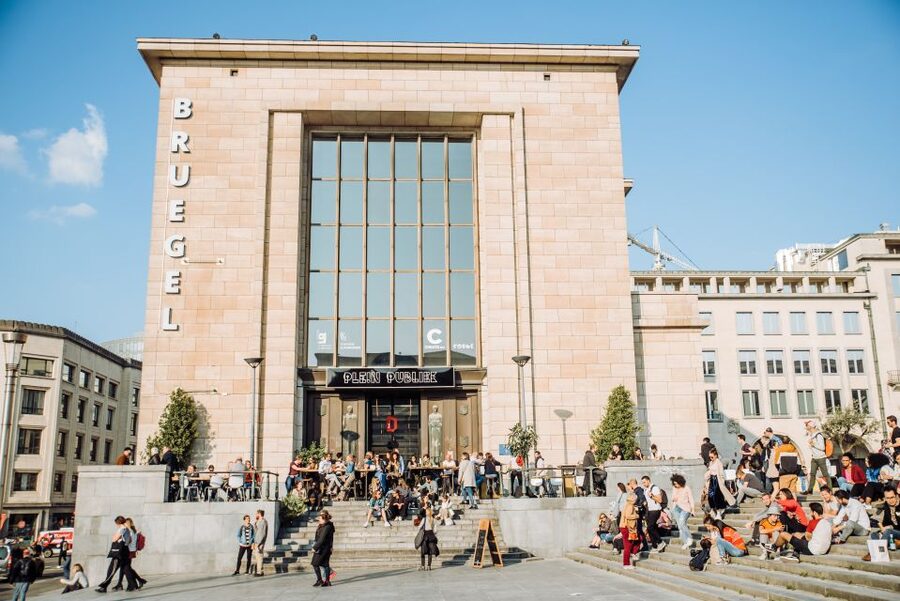
At $121 per person for a 3-hour private walking tour, you are paying for three things: customization, a local host, and a private pace.
Is it good value? For me, it depends on how you travel:
- If you want a private experience where your questions matter, this price can make sense because you are not splitting a guide across a large crowd.
- If you enjoy history and context but hate reading museum labels all day, the guide-driven storytelling is a strong fit.
- If you want a flexible day plan, the host’s ability to adapt in real time is the kind of “value” that does not show up on a brochure.
You are not paying for tickets or attractions, and food and drinks are not included either. That is normal for a walking tour focused on streets and viewpoints. It also keeps the experience flexible, since your host can recommend what fits your tastes on the day.
One more note that affects value: a walking tour in this area may include transfers by public transport depending on how your host builds the route. Transportation costs are not included, so you may want to bring a little extra cash or a ready-to-use transit card.
Meeting point, pacing, and practical comfort
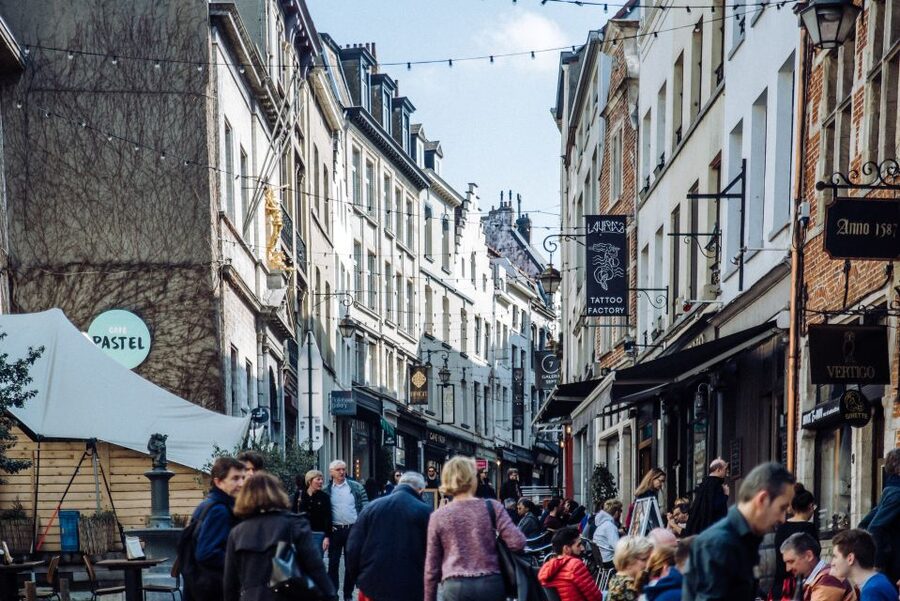
Logistics here are designed to be easy. You will be met at any location in the center of Brussels. If you are staying central, your host can meet you at your hotel, as long as you provide the name and address.
The tour is wheelchair accessible, which is a big plus if mobility is part of your planning. Still, since it is a walking experience, you should think about what pace works for you personally.
Start times are flexible, and the duration is set at 3 hours. That is the sweet spot for a first look at the European Quarter, plus enough time to weave in neighborhoods and side streets without turning it into a marathon.
Your guide also provides insider tips and tailored recommendations for the rest of your stay. That can be genuinely helpful in Brussels, where one neighborhood choice can change the feel of your evening.
Should you book this Brussels European Quarter private tour?

Book it if you want context, not just photos. This is a smart option if you like your city tours with a human voice, someone who can explain EU institutions without turning the day into a lecture.
It is also a good fit if you enjoy architecture and street-level detail. The mix of EU landmarks, Parc du Cinquantenaire, Art Nouveau streets, courtyards, and potential Matonge culture gives you variety within one focused area.
Skip it if you want a strictly scripted route with zero flexibility. The best moments here come from your host adjusting to your interests and pace, including spontaneous stops for food and conversation.
If you are deciding, ask yourself one question: do you want the European Quarter explained and personalized, or do you just want to wander it on your own? If you want it explained and tailored, this private walk is a strong match.
FAQ
How long is the Brussels European Quarter private tour?
It lasts 3 hours.
What languages are the live guides?
The tour guide speaks English and French.
Where does the guide meet us?
You will be met at any location in the center of Brussels. If you are staying in central Brussels, the host can meet you at your hotel if you share the name and address.
Is transportation between stops included?
Transportation costs are not included. Since it is a walking tour, public transport may be used for transfers at an additional cost.
Are food, drinks, or attraction tickets included?
No. Food, drinks, and tickets to any attractions are not included.
Is the tour wheelchair accessible?
Yes, the tour is wheelchair accessible.
Every Belgium Review
Brussels Landmarks, Comics and Art Nouveau
More Ways to See Brussels
Newer Belgium reviews from the same corner of the country
- Discover the secrets of Brussels while playing
★ 5.0 · 3 reviews - Standard vehicle from Charleroi airport to city of Brussels
★ 4.5 · 3 reviews - Private tour to Ghent from Brussels (5hours walk & drive)
★ 5.0 · 3 reviews - Full day Brugge & Ghent: the gems of Flanders
★ 5.0 · 3 reviews - Private tour : Best of Brussels half day From Brussels
★ 5.0 · 3 reviews
Brussels Tours, side by side.
 ★ 4.4Brussels: Atomium Entry Ticket with Design Museum TicketFrom $199,254 reviews
 ★ 4.6From Brussels: Guided Day Trip to Bruges and GhentFrom $558,353 reviews
 ★ 4.7From Brussels: Bruges & Ghent Day Tour – 2 Fairytale CitiesFrom $578,242 reviews
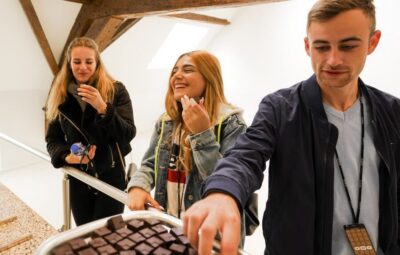 ★ 4.3Choco-Story Brussels: Chocolate Museum Entrance with TastingFrom $184,883 reviews
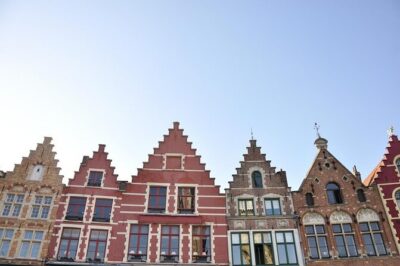 ★ 4.0Bruges and Ghent – Belgium’s Fairytale Cities – from BrusselsFrom $594,809 reviews
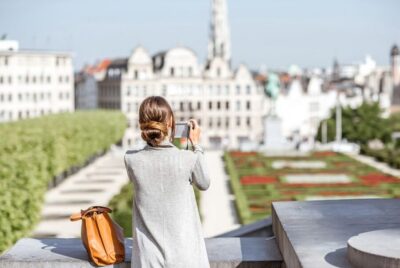 ★ 4.0Brussels: Hop-On Hop-Off Bus TourFrom $294,016 reviews
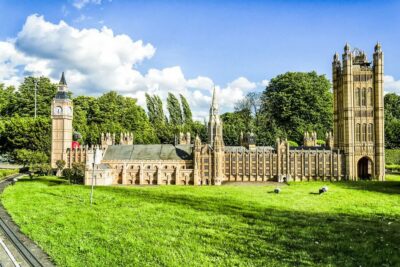 ★ 4.5Brussels: Entry Ticket to Mini-EuropeFrom $232,870 reviews
 ★ 5.0Hungry Mary’s Famous Beer and Chocolate Tour in BrusselsFrom $1192,258 reviews
Browse the lists this tour appears in