
REVIEW · BRUSSELS
Guided tour: Brussels Crime Scenes
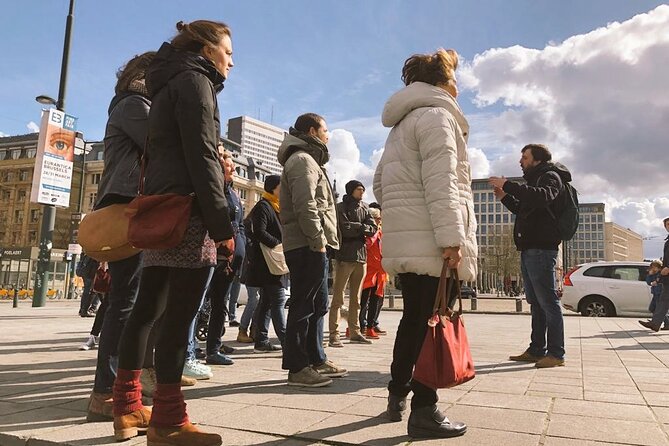
Crime stories in Brussels, right on the streets. This 2-hour guided walk connects major city corners to 19th and 20th-century cases, using historical context so the violence hits, but stays respectful. I especially love the way the guide ties each incident to the surrounding society and customs, and I like that the route is short enough to do without exhausting your legs. One possible drawback: because the cases can be frightening and sometimes bloody, you should be ready for grim details and keep your expectations grounded in facts, not theatrics.
You’ll start near Rue de l’Etuve 1 and finish in Place Saint-Géry, with a mobile ticket on your phone. The group stays small, capped at 25 people, which helps you hear the story as you walk instead of playing historical whack-a-mole with your attention.
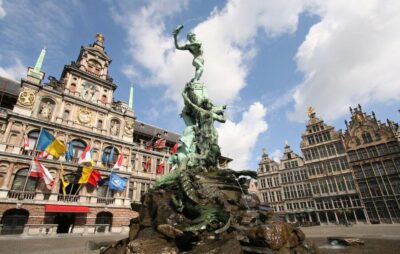
This is also a nice fit if you want something different from the usual Brussels sightseeing loop. You’ll cross the Grand Place, then move through a set of crime-linked stops, including Le Coin du Diable and the sites tied to Place Saint-Géry’s infamous incident.
In This Review
- Key Highlights You Should Know Before You Go
- A City Guide Starts Where Stories Hurt
- Start at Rue de l’Etuve, Then Take It to Grand Place
- Rue de l’Amigo: When Status Meets a Crime of Passion
- Le Coin du Diable: The Devil’s Corner Legend (17th Century)
- Place Saint-Géry: The 19th-Century Incident That Stunned the City
- Place du Jardin aux Fleurs: When the Loot Gets Unusual
- Why the Guide Matters More Than the Topic
- Who This Tour Suits Best in Brussels
- Price and Value: Is $23.26 Worth It?
- What to Bring and How to Prepare
- Should You Book Brussels, Scene of Crimes?
- FAQ
- How long is the Brussels Crime Scenes tour?
- Where does the tour start and end?
- What is the price per person?
- Is there a mobile ticket?
- Is the tour group size limited?
- Is it near public transportation?
- What is included in the ticket price?
- Is coffee or tea included?
- What is the cancellation policy?
- Are service animals allowed?
Key Highlights You Should Know Before You Go

- A tight 2-hour route that still covers multiple 19th and 20th-century crime stories in central Brussels.
- Lots of context, not just gore, with explanations that connect the crimes to how people lived and policed the city.
- Specific, named locations like Hotel À la Ville de Courtrai and Le Coin du Diable.
- Free stops with no museum-style tickets required for the planned viewpoints.
- Small group size (max 25) helps the guide keep the pace and keep you engaged.
Brussels has more to it than one route
- Brussels: Atomium Entry Ticket with Design Museum Ticket★ 4.4 · 9,254 reviews
- From Brussels: Guided Day Trip to Bruges and Ghent★ 4.6 · 8,353 reviews
- From Brussels: Bruges & Ghent Day Tour – 2 Fairytale Cities★ 4.7 · 8,242 reviews
- Choco-Story Brussels: Chocolate Museum Entrance with Tasting★ 4.3 · 4,883 reviews
A City Guide Starts Where Stories Hurt
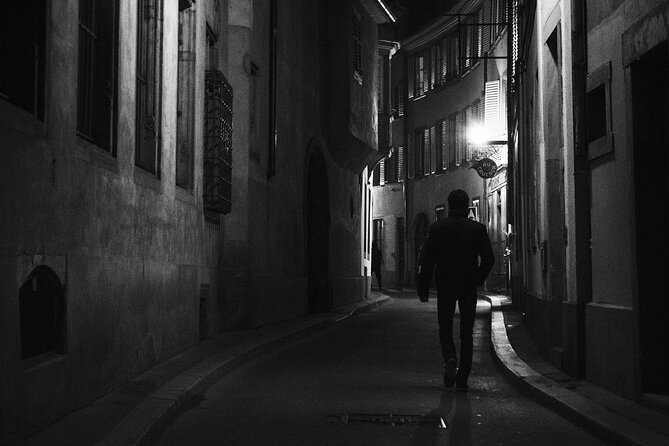
Brussels can feel postcard-perfect from a distance. This tour flips that script, focusing on crimes that shaped how the city thought about safety, authority, and public order in the 1800s and 1900s.
What makes it work is the tone. It’s not sensational for shock value. You get the darkest parts of the cases, but the presentation aims to be respectful to the people involved and faithful to the facts. You should still expect “this is serious” energy, because the subject matter includes passion crimes and lethal events.
Also, it’s a walking tour, so you’ll be learning while moving. That matters in a place like Brussels, where streets and corners can vanish fast if you only glance from a sidewalk café.
Start at Rue de l’Etuve, Then Take It to Grand Place
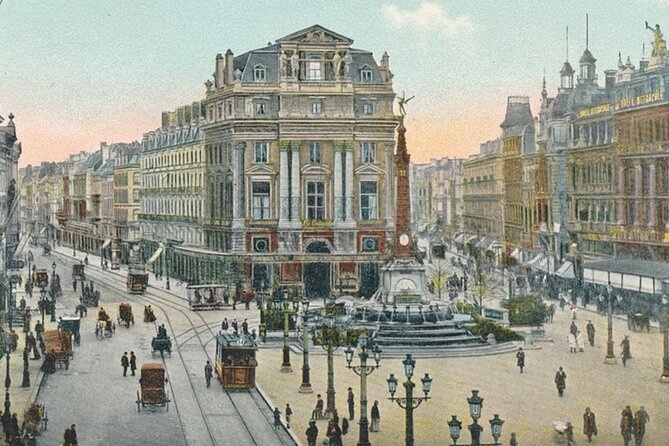
Your morning or afternoon begins at Rue de l’Etuve 1, 1000 Bruxelles, a central meeting point that’s easy to reach with public transport. From there, you move through the core of town and cross the Grand Place.
Why this first stretch is smart: it gives you a baseline. You see the city at its most iconic, then the tour quietly pulls you toward the idea that even beautiful public spaces can become stages for fear, scandal, and conflict.
Expect a “listen closely” start. In the first part of the walk, the guide sets the framework for how to think about each case. That framing is useful later, when you’re hearing the details of the crimes and how they were understood at the time.
Tip: give yourself a minute at the start to settle. You don’t want to be fumbling with your phone ticket or regrouping your group while the guide is building the story.
Rue de l’Amigo: When Status Meets a Crime of Passion
Rue de l’Amigo is where the tour gets personal in a very human way. One of the stops focuses on a hotel connected to luwe history and prestigious visitors, but it also hints that the building’s story isn’t always glamorous.
Then you move to another point on Rue de l’Amigo tied to a famous passion crime connected to the corner location of Hotel À la Ville de Courtrai. This is the kind of stop where you can feel how the city’s social fabric mattered. Passion crimes were not just private drama. They became public conversations, because the public depended on the police, the courts, and community rules to handle what went wrong.
What I like about this part is how it sticks to the idea that society and customs shape what happens next. The crime wasn’t just a single moment. It became a story Brussels replayed, debated, and used to rethink boundaries.
Practical note: this stretch is short, but it’s detail-heavy. If you prefer wide, scenic views and minimal talking, this might feel like the tour is a little more intense than you expected early on.
Le Coin du Diable: The Devil’s Corner Legend (17th Century)
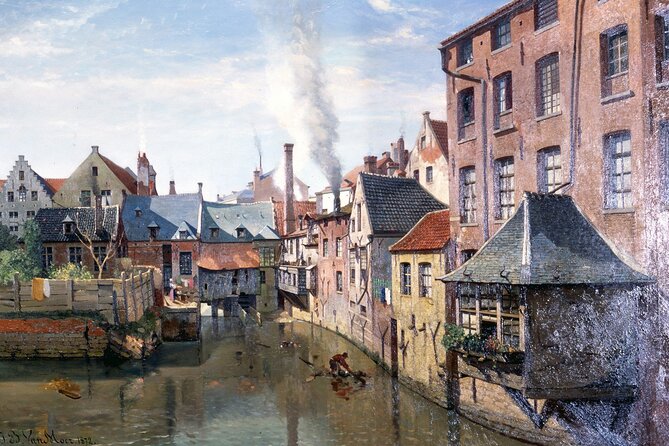
Next up is Le Coin du Diable, the Devil’s Corner legend dating back to the 17th century. Even though the tour overall focuses on crimes that marked Brussels in the 19th and 20th centuries, this stop adds a different layer: how myths and dark rumors can attach themselves to real places.
This is one of the stops that’s easier to mentally picture even if you’re not a local-history expert. Street legends travel. They show up in conversation. They get retold until they feel like part of the architecture.
Why it adds value: it reminds you that crime narratives are not only about what happened. They’re also about what people believed might be happening. And that belief affects behavior, fear, and even how communities interpret danger.
If you enjoy folklore side-by-side with factual cases, you’ll probably enjoy this stop a lot. It’s the tour’s way of widening the lens beyond courtroom outcomes.
Other tours with a guide out front

Place Saint-Géry: The 19th-Century Incident That Stunned the City
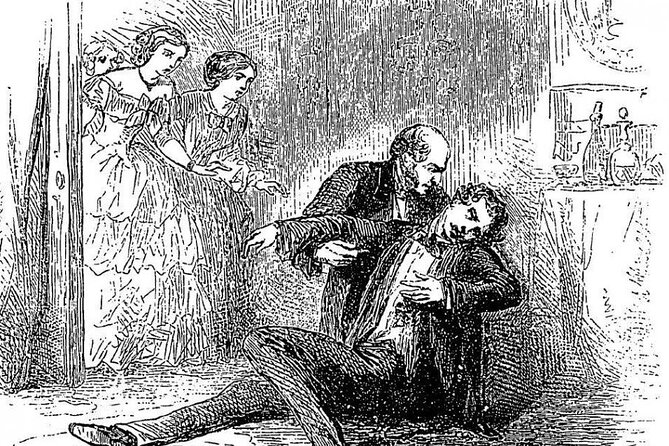
Then you hit Place Saint-Géry, and the tone sharpens. This stop centers on a particularly atrocious incident that, in the middle of the 19th century, left three dead and fascinated Brussels.
This is the “hold on, listen” part of the walk. A square like Place Saint-Géry is a perfect place for a story like this, because public squares are where people gather, where rumors spread, and where authorities are expected to respond quickly.
What makes this stop feel meaningful is the guide’s emphasis on the social side: how events like this shaped what people thought about safety and order. Even if you’ve read about crime before, this tour tries to explain the environment around the crime, not only the outcome.
You might want to bring a small bit of emotional patience here. The tour describes cases as frightening and sometimes bloody, and this stop is one of the more intense points on the route.
Also, since the ending is nearby, you’re approaching the finish line emotionally and physically. If you’re the type who gets tired near the end of tours, pace yourself from here.
Place du Jardin aux Fleurs: When the Loot Gets Unusual
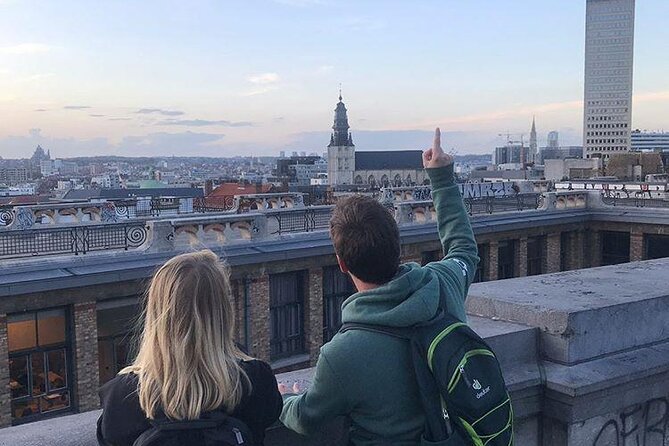
Your final core stop is Place du Jardin aux Fleurs, where the story revolves around a villainous crime and a loot situation described as rather unusual.
This is a nice shift in flavor. You go from lethal seriousness at Place Saint-Géry to a different kind of shock: not only what happened, but how it happened. When the “what they took” part is odd or unexpected, it can change how people interpret the motive and the story that spreads after.
For me, that variety is key. If every stop was just another grim incident with the same tone, you might start tuning out. Here, the tour keeps you engaged by changing the angle of the story while keeping the theme consistent: Brussels, crime, and the ways society processed fear.
If you’re hoping for a purely educational history lecture, you might still enjoy this stop. It’s grounded in facts, but it also highlights how human choices and strange details can make an incident stick in public memory.
Why the Guide Matters More Than the Topic
A huge reason this tour works is how it’s delivered. People rate this experience 4.9 out of 5 with 128 ratings, and the consistent theme is the guide’s professionalism, friendliness, and ability to keep attention.
I like that the guide doesn’t treat the crimes as “just a story.” They add enough historical context to make the street setting feel like part of the lesson. That’s what turns it from a spooky walk into a real understanding of how Brussels functioned in different eras.
There’s also a tone of respect, which matters when the subject includes violence. You can feel the boundaries: the tour is meant to inform, not to sensationalize.
One small consideration, based on feedback: some people want more theatrical touches or interactivity. This is not a costume show. If that style is your preference, you may wish for a bit more dramatization. If you want clear storytelling anchored to places and facts, you’re in the right lane.
Who This Tour Suits Best in Brussels
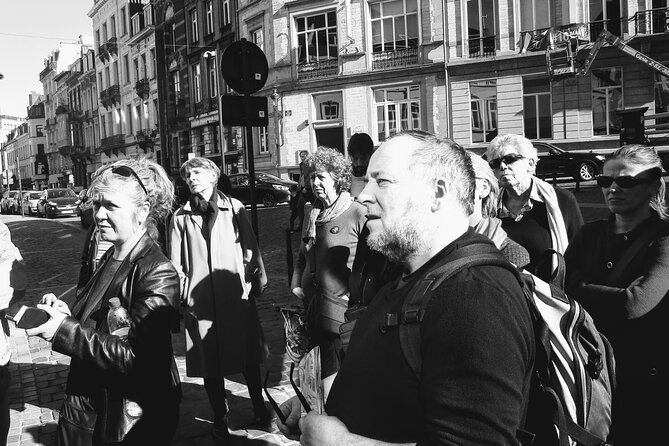
This tour is ideal if you like crime stories but hate empty shock value. It’s also a good fit when you want a break from standard “look at the church, now the statue” sightseeing.
You’ll probably enjoy it most if you:
- like walking tours that feel like mini-lectures with a pulse
- enjoy European urban history tied to real addresses and squares
- can handle descriptions of violent events without needing a lighter theme
You might want to skip or choose something else if:
- you’re sensitive to stories that are frightening or bloody
- you dislike guided walking tours with lots of talking
- you’re looking for a family-style, kid-friendly outing (this one is about crimes, even though it’s respectful)
Price and Value: Is $23.26 Worth It?
At $23.26 per person for about 2 hours, this is a pretty reasonable price for central Brussels. The big value piece is that it’s not a barebones “tell me spooky stuff at the next corner” tour. The structure ties the cases to Brussels society and customs across eras.
It also includes all fees and taxes, so you avoid the common travel annoyance of surprise add-ons at checkout. And the tour keeps things efficient. You’re not spending half the day commuting between distant sites, and you’re not paying for timed entry into museums.
If you’re already paying for one guided experience in Brussels, this is a smart choice because it adds variety. It’s not just another art or architecture tour. It’s a different way to read the city.
What to Bring and How to Prepare
This is a walking tour in central Brussels, so plan for time on your feet. Wear comfortable shoes. Expect you’ll stop more than you think you will, since each location gets a story.
Bring water if the day is warm. The tour does not include coffee and/or tea, so plan a snack stop before or after you finish.
If you’re someone who likes photos, you’ll have plenty of chances to capture street-level scenes. Just keep your eyes on the guide when the story turns intense. It’s easy to miss details while thinking about the camera angle.
Finally, decide in advance how much you want “crime drama” in your day. If you want it, this tour gives it to you with a respectful, facts-first approach.
Should You Book Brussels, Scene of Crimes?
Yes, you should book it if you want a short, focused guided walk that connects real Brussels corners to serious historical crimes and what they meant for people at the time. The rating is strong for a reason: the guided style is engaging, professional, and context-focused, and the route is compact enough to fit naturally into a day in town.
I would skip it if you want light and playful sightseeing, or if you’re uncomfortable with frightening and sometimes bloody details. But if you can handle dark stories and you’re curious how a city’s social rules, police response, and public reaction evolve, this is an excellent use of two hours in Brussels.
FAQ
How long is the Brussels Crime Scenes tour?
It lasts about 2 hours.
Where does the tour start and end?
The meeting point is Rue de l’Etuve 1, 1000 Bruxelles, Belgium, and the tour ends at Pl. Saint-Géry 1, 1000 Bruxelles, Belgium (in the center of Place Saint Gery).
What is the price per person?
The price is $23.26 per person.
Is there a mobile ticket?
Yes, the tour uses a mobile ticket.
Is the tour group size limited?
Yes, it has a maximum of 25 travelers.
Is it near public transportation?
Yes, the meeting area is near public transportation.
What is included in the ticket price?
All fees and taxes are included.
Is coffee or tea included?
No, coffee and/or tea are not included.
What is the cancellation policy?
You can cancel for a full refund up to 24 hours in advance.
Are service animals allowed?
Yes, service animals are allowed.
More Belgian Tours
Every Belgium Review
More Ways to See Brussels
Newer Belgium reviews from the same corner of the country
- Discover the secrets of Brussels while playing
★ 5.0 · 3 reviews - Standard vehicle from Charleroi airport to city of Brussels
★ 4.5 · 3 reviews - Private tour to Ghent from Brussels (5hours walk & drive)
★ 5.0 · 3 reviews - Full day Brugge & Ghent: the gems of Flanders
★ 5.0 · 3 reviews - Private tour : Best of Brussels half day From Brussels
★ 5.0 · 3 reviews
Brussels Tours, side by side.
 ★ 4.4Brussels: Atomium Entry Ticket with Design Museum TicketFrom $199,254 reviews
 ★ 4.6From Brussels: Guided Day Trip to Bruges and GhentFrom $558,353 reviews
 ★ 4.7From Brussels: Bruges & Ghent Day Tour – 2 Fairytale CitiesFrom $578,242 reviews
 ★ 4.3Choco-Story Brussels: Chocolate Museum Entrance with TastingFrom $184,883 reviews
 ★ 4.0Bruges and Ghent – Belgium’s Fairytale Cities – from BrusselsFrom $594,809 reviews
 ★ 4.0Brussels: Hop-On Hop-Off Bus TourFrom $294,016 reviews
 ★ 4.5Brussels: Entry Ticket to Mini-EuropeFrom $232,870 reviews
 ★ 5.0Hungry Mary’s Famous Beer and Chocolate Tour in BrusselsFrom $1192,258 reviews
Browse the lists this tour appears in