
REVIEW · BRUSSELS
From Brussels: Day Trip to Ghent with Atomium in English
Ghent looks like a postcard, but the story is real. You get an Atomium photo stop plus a focused English tour through the medieval heart of Flanders. One catch to consider: the day is not set up for mobility impairments, since you will walk on uneven old-street surfaces.
I like the way this trip balances guided time with breathing room. You get a structured look at the big sights, then you control the pace with 4 hours of free time for lunch and wandering.
The best part is how the guide turns familiar landmarks into actual places you can picture. I’ve seen names like Paula, Julian, Hugo, Eve, Eros, Vita, and Guimor pop up as standout guides, each bringing a lively, human tone to Ghent’s myths and architecture.
In This Review
- Key takeaways before you go
- A day trip that starts with the Atomium, then moves to medieval Ghent
- Brussels to Ghent: how the day’s timing works
- The Atomium stop: what you’ll notice beyond the photos
- English-guided Ghent highlights: the sights you need to see
- The medieval spine: Belfry, Town Hall, and the riverfront
- St. Bavo’s Cathedral and the Mystic Lamb
- Castles and legends: Gerald the Devil and the vibe of power
- Churches, guilds, and the city’s craft identity
- Markets and trade: Great Butchers’ Hall, Old Fish Market, Friday Market
- Your 4 hours of free time: how to spend it without stress
- Patershol neighborhood
- Revisit whatever grabbed you
- Add a short river cruise, if it fits your day
- Castles and fortress energy: Gravensteen in context
- What the guided group size and language mix feels like
- Price and value: what $49 buys you in real time
- Logistics and comfort tips that will save your day
- Who this tour suits best, and who should skip it
- Should you book this Brussels to Ghent tour?
- FAQ
- Where is the meeting point in Brussels?
- Is the tour guided in English?
- How long is the day trip?
- How much free time do I get in Ghent?
- What major sites are covered in Ghent?
- What is included in the price?
- What is not included?
- Is it suitable for people with mobility impairments?
- Is there a toilet on the bus?
Key takeaways before you go
- Atomium first, so you start with Belgium’s biggest icon and a quick lesson on what it represents
- 2 hours of guided Ghent gives you context fast, before you go explore solo
- 4 hours of free time is long enough to find lunch, slow down, and choose what to revisit
- Many classic medieval stops are packed in, from Belfry to Graslei to Gravensteen
- Group energy can vary, especially if small English groups get joined with larger coach groups
- Plan for limited onboard comfort since one note says the bus might not have a toilet
Brussels has more to it than one route
- Brussels: Atomium Entry Ticket with Design Museum Ticket★ 4.4 · 9,254 reviews
- From Brussels: Guided Day Trip to Bruges and Ghent★ 4.6 · 8,353 reviews
- From Brussels: Bruges & Ghent Day Tour – 2 Fairytale Cities★ 4.7 · 8,242 reviews
- Choco-Story Brussels: Chocolate Museum Entrance with Tasting★ 4.3 · 4,883 reviews
A day trip that starts with the Atomium, then moves to medieval Ghent
This is the kind of day that works well if you want two hits of “Belgium wow” without committing to a full overnight trip. You begin in Brussels, then step out at the Atomium, one of the most recognizable monuments in the country. It rises over 100 meters high, with spheres around 18 meters wide, designed to represent Belgium’s nine provinces.
Then the focus shifts hard to Ghent, a city that still feels medieval in its street layout and main sights. The tour targets the areas that help you understand why Ghent is called the Jewel of Flanders, including grand churches, guild buildings, market squares, and castle walls.
Brussels to Ghent: how the day’s timing works
The day is built around coach travel plus two blocks of time in Ghent. You’ll meet at Hilton Grand Place Hotel at Brussels Central Station, where the guide wears ID for Buendia Tours. From there, the bus leaves on schedule, and you also get a dedicated bus/coach time of about 1.5 hours toward Ghent.
Once you arrive, you get a guided tour of around 2 hours. After that comes the most valuable part for many people: 4 hours of free time, which is enough to regroup, eat without rushing, and take your own path through neighborhoods you like.
Finally, you head back by coach, with another 1.5 hours ride to return to the same meeting point area. For a 9-hour day, the pacing is meant to be full, not frantic.
The Atomium stop: what you’ll notice beyond the photos
The Atomium is easy to photograph, but this stop adds useful context that makes it more than a quick selfie. You’ll admire the monument and the spheres, and you’ll learn that the spheres symbolize Belgium’s provinces.
If you’re already a museum or architecture nerd, you’ll probably enjoy the quick explanation. If you’re not, it still works because it’s a strong visual landmark to “mark” the morning. It also breaks the trip up, so you are not just staring at roads from Brussels straight into Ghent.
English-guided Ghent highlights: the sights you need to see
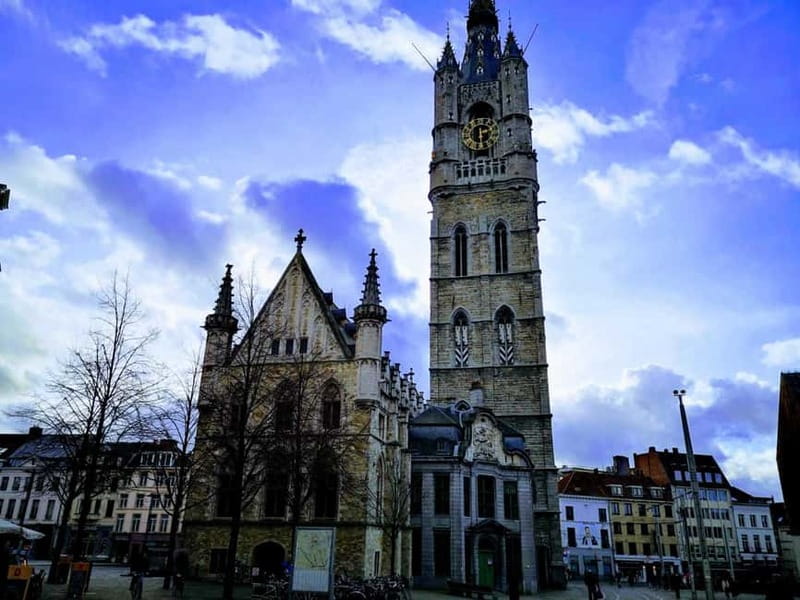
The Ghent guide time is designed to hit the city’s big identity points in a short window. Even with only about two hours guided, you cover many of the places that define Ghent’s medieval reputation.
Here’s the flow of what you’ll be guided through and why it matters:
Ghent keeps going, and so do we
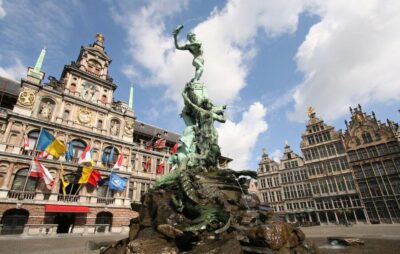
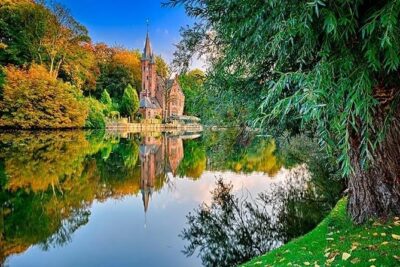
The medieval spine: Belfry, Town Hall, and the riverfront
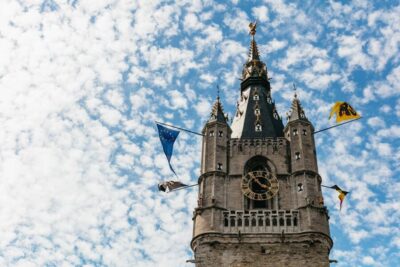
You’ll visit the Belfry of Ghent and the Town Hall, key civic power symbols. In towns across northern Europe, these buildings were not just pretty landmarks. They reflected who held influence and how trade and city life worked.
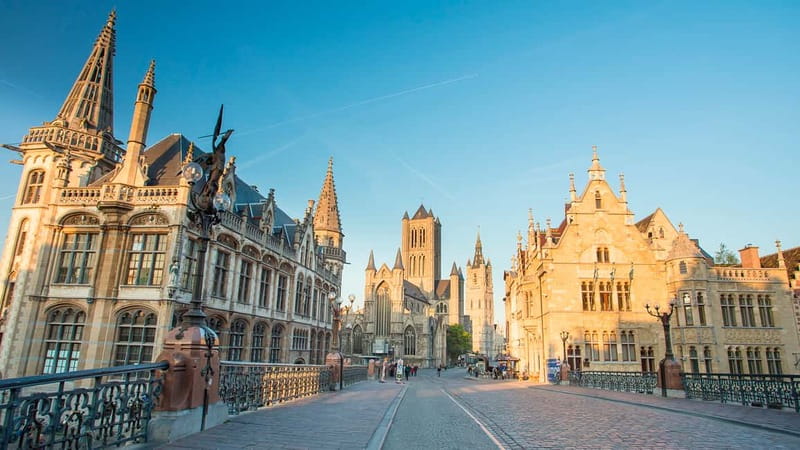
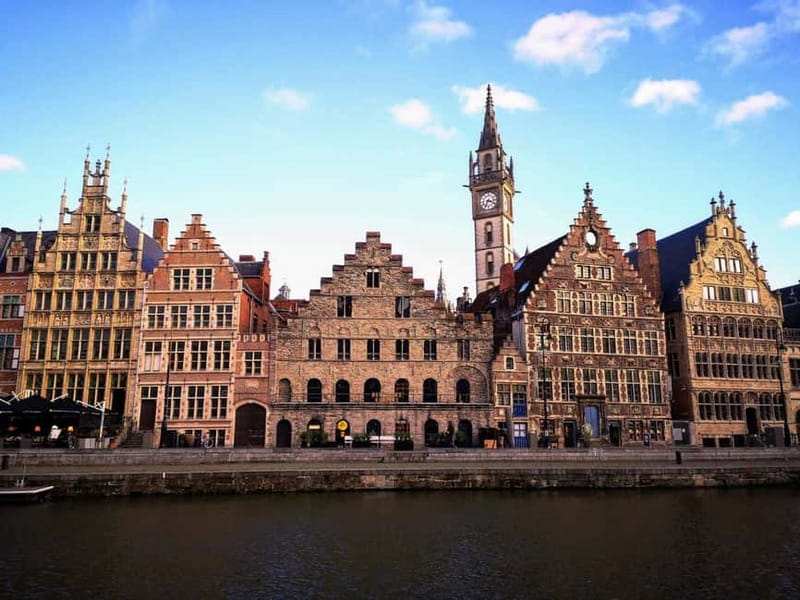
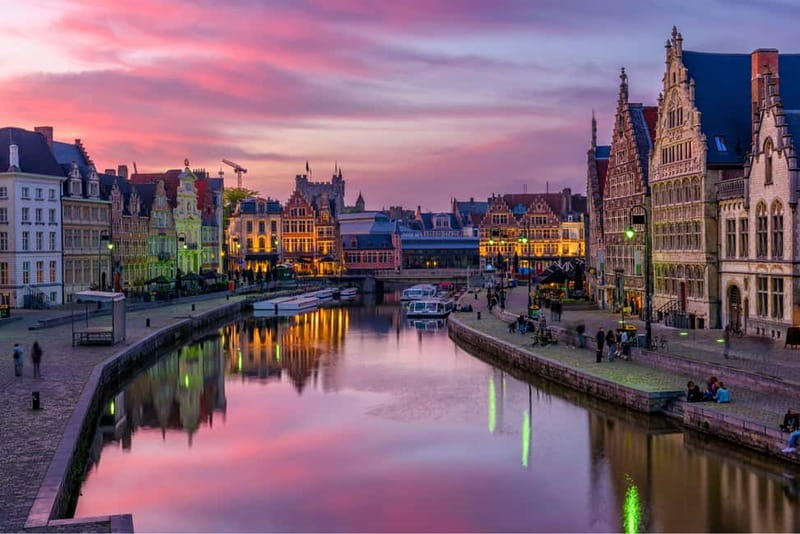
You’ll also head to the Graslei quay side buildings, where the riverfront architecture helps you picture Ghent as a trading hub. This is where you can often spot the postcard-Ghent look, the tall facades lined up along the water.
St. Bavo’s Cathedral and the Mystic Lamb
A major stop is St. Bavo’s Cathedral, tied to the famous work known as The Adoration of the Mystic Lamb by the Van Eyck brothers. Even if you know the name already, it’s worth hearing how the story connects to Ghent’s cultural standing. This is one of those stops that gives meaning to the place, not just a structure to admire.
Castles and legends: Gerald the Devil and the vibe of power
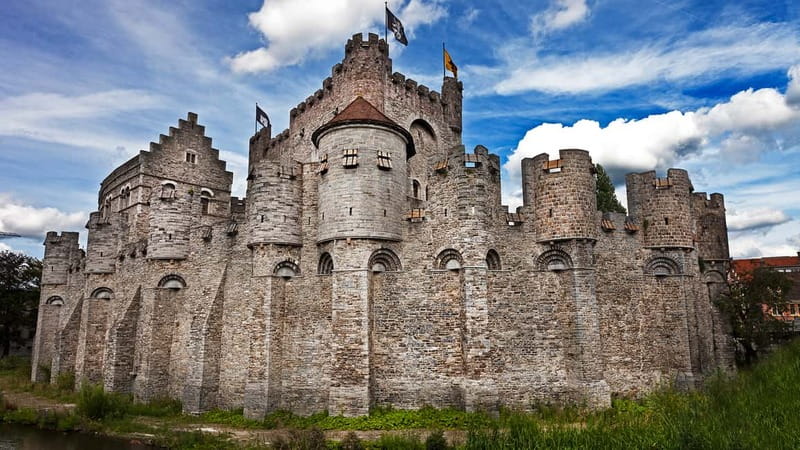
Ghent isn’t only church beauty. You’ll learn about the 13th-century Castle of Gerald the Devil, a name that practically begs for a legend-driven explanation. You’ll also see Gravensteen castle, a medieval fortress that makes Ghent feel more like a real lived-in stronghold than a museum town.
The castle stops are valuable because they change the mood. They show the city’s defensive strength and remind you that medieval power was not only religious or economic, it was also physical.
Churches, guilds, and the city’s craft identity
You’ll visit St. Nicholas’ Church and the Masons’ Guild Hall, and these stops help connect the dots between faith, labor, and civic life. Guild halls, in particular, are the places where you can understand how trades shaped the city. They also help explain why Ghent’s architecture often feels both formal and practical.
Markets and trade: Great Butchers’ Hall, Old Fish Market, Friday Market
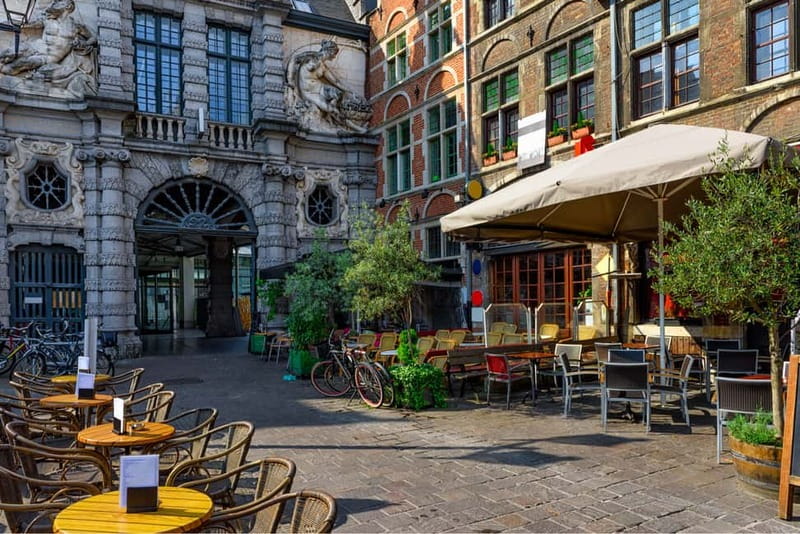
The tour also covers Ghent’s trading side at the Great Butchers’ Hall, Old Fish Market, and the Friday Market. These stops matter because Ghent’s old-center magic often comes from its commercial history. The markets help you understand how people actually moved through town day to day.
If you’re the kind of person who loves eating, these stops set you up well for your free time, because you start seeing where food culture and historic commerce connect.
Your 4 hours of free time: how to spend it without stress
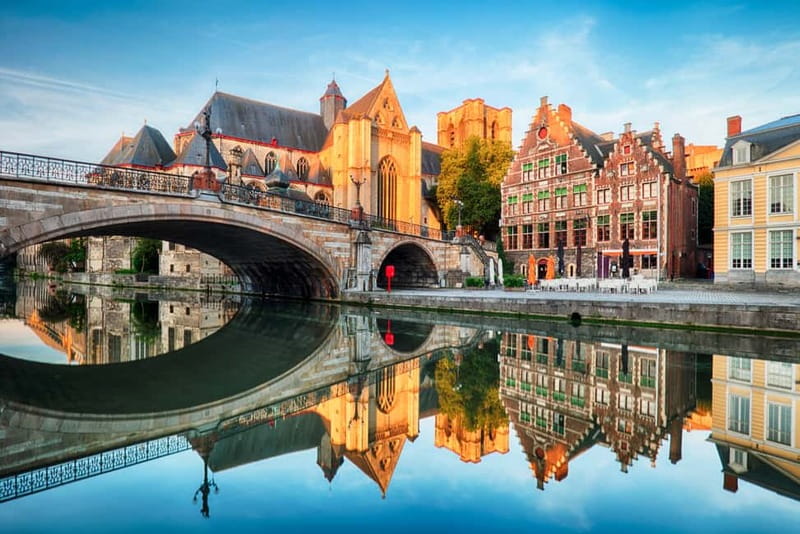
The guided portion gives you a map in your head. Your 4 hours of free time are for converting that map into your own version of Ghent.
A smart approach is to pick one “north-south” walk through the center and use the riverside and market area as anchors. You’ll already have key landmarks placed in your memory from the guide, so you can wander with less guesswork.
Two areas you should look for during your solo time are:
Patershol neighborhood
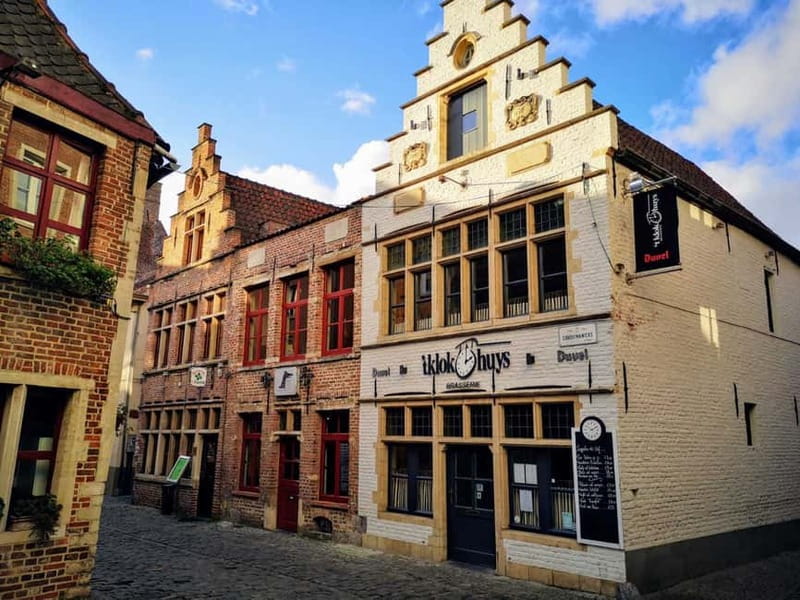
You’ll visit Patershol with the group, but you can use the free time to slow down and enjoy its texture. Patershol tends to feel charming because it’s compact and walkable, and it’s the kind of area where a slow loop beats checking boxes.
Revisit whatever grabbed you
If the Mystic Lamb stop made you curious, you can circle back to the cathedral area for photos and atmosphere. If Gravensteen felt most dramatic, you can spend more time in that zone and soak in the medieval fortress mood.
Add a short river cruise, if it fits your day
One recommendation from a guide-focused viewpoint is to consider a short river cruise during free time. You’ll be near the riverfront anyway, so it’s a logical add-on if schedules and weather line up.
Castles and fortress energy: Gravensteen in context
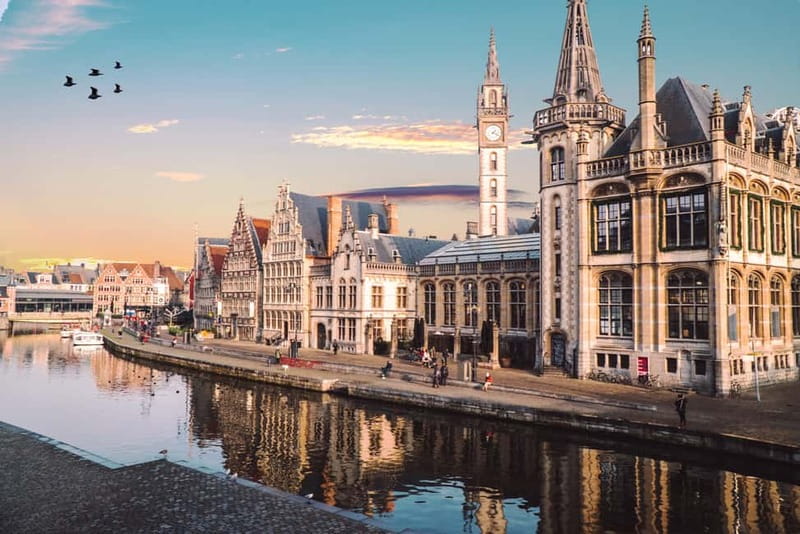
Gravensteen castle is one of the stops that can change how you feel about Ghent. From the outside, it’s already visually strong, but in a guided block it also becomes a story. You’ll get the sense that Ghent’s wealth and influence were tied to power, not just art and churches.
Even if you don’t spend extra hours inside every site, seeing the castle in your route helps the whole day “click.” Ghent stops feeling like a lineup of buildings and starts feeling like a real city with defensive and civic layers.
What the guided group size and language mix feels like
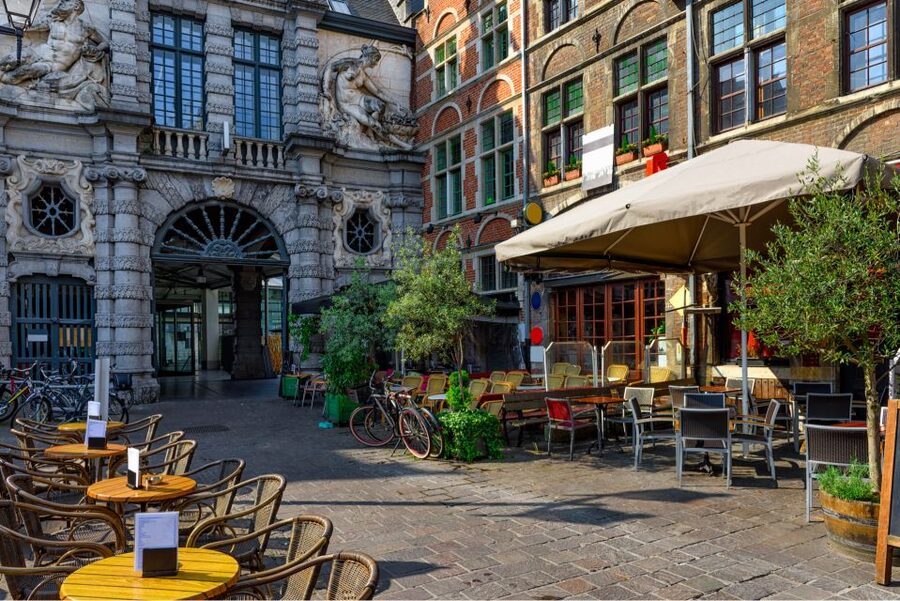
One thing to know: the day is an English tour, but the group setup can vary. In some cases, English-speaking guests were in a smaller group and joined a larger coach group where other languages were spoken. The good news is that the English guiding in Ghent remains the main backbone of the experience.
Names that showed up as standout English guides include Paula, Julian, Hugo, Eros, Vita, Guimor, Eve, and Diane. The tone across these mentions is consistent: energetic explanations, humor, and practical suggestions for what to do during the free time.
If you care a lot about hearing only English the entire day, focus your expectations on the English guide portion in Ghent, not the coach chatter.
Price and value: what $49 buys you in real time
At about $49 per person, this is priced like a classic day excursion rather than a deep-dive museum day. That’s actually a good match for Ghent if your goal is first exposure plus a workable plan for exploring on your own.
Here’s the value math as I see it:
- You get bus transfer from Brussels, which is a big chunk of the cost for a day trip.
- You get an English-speaking guide plus a guided tour in Ghent.
- You also get 4 hours free time, which lets you self-direct lunch and repeat the parts you like.
What is not included is lunch and drinks, so budget for that. Also note what you bring matters. Comfortable shoes are not optional in a medieval center. If you have to stop constantly due to sore feet, the day loses its charm fast.
Logistics and comfort tips that will save your day
A few practical considerations can make this smoother.
Expect a walking day. The tour covers multiple historic clusters, including churches, markets, and castle areas. Wear shoes that handle cobblestones and uneven old streets.
Bring your patience for the coach. The schedule includes two coach stretches of about 1.5 hours each. If you’re sensitive to long bus rides, plan your snacks and keep a light layer for changing temperatures.
Plan around bathroom reality. One important note from experience mentions that the bus might not have a toilet on board. If this would stress you out, plan to use facilities before you depart and carry what you need for comfort.
Rain happens. You may not be able to control weather, but you can control your gear. If you know Ghent tends to be damp, pack a rain layer so you can keep walking without turning the day into a hurried scramble.
Who this tour suits best, and who should skip it
This is a strong fit if you want:
- A Brussels to Ghent day trip that covers major highlights efficiently
- An English guided tour with stories and context, then time to wander
- A schedule that gives you independence with 4 hours free time
It’s also a decent choice if you like cities with layers. Ghent isn’t just one style. You’ll bounce between cathedral art, guild buildings, civic power, markets, and castle energy.
It may not be the best choice if:
- You need an accessibility-friendly route, since the tour is explicitly not suitable for people with mobility impairments
- You hate crowds or tight time slots, because this is a structured day with multiple stops and a set free-time window
Should you book this Brussels to Ghent tour?
Book it if you want an efficient, friendly day trip where Ghent’s highlights are explained in English and then you get time to make the city yours. The Atomium stop gives you a strong start, and the guided block in Ghent hits the key landmarks without swallowing your entire day.
Skip it if mobility is an issue for you, or if you need very long unstructured time with no walking. Also consider the “bus comfort” reality, since there’s a note that a toilet might not be on board.
If you go in with comfortable shoes and a plan for your lunch during the free time, this tour can feel like the best kind of first date with a city, you get the highlights, then you decide what you want to fall back in love with.
FAQ
Where is the meeting point in Brussels?
You meet in front of the Hilton Grand Place Hotel at Brussels Central Station. The tour guide will be wearing ID of Buendia Tours.
Is the tour guided in English?
Yes. The tour includes an English-speaking guide and an English guided tour in Ghent.
How long is the day trip?
The total duration is 9 hours. The exact starting times depend on availability.
How much free time do I get in Ghent?
You get 4 hours of free time in Ghent for lunch and exploring at your leisure.
What major sites are covered in Ghent?
You’ll see and learn about attractions including St. Bavo’s Cathedral, the Belfry and Town Hall, St. Nicholas’ Church, the Masons’ Guild Hall, Graslei riverfront buildings, Gravensteen castle, Patershol, and historic market areas such as the Great Butchers’ Hall, Old Fish Market, and Friday Market.
What is included in the price?
Included: the English-speaking guide, the guided tour in Ghent, and bus transfer from Brussels.
What is not included?
Lunch and drinks are not included.
Is it suitable for people with mobility impairments?
No. The activity is not suitable for people with mobility impairments.
Is there a toilet on the bus?
One note says the bus might not have a toilet on board, so it’s smart to plan ahead.
Days Out From Brussels
Ghent, Continued
More Ways to See Brussels
Newer Belgium reviews from the same corner of the country
- Discover the secrets of Brussels while playing
★ 5.0 · 3 reviews - Standard vehicle from Charleroi airport to city of Brussels
★ 4.5 · 3 reviews - Private tour to Ghent from Brussels (5hours walk & drive)
★ 5.0 · 3 reviews - Full day Brugge & Ghent: the gems of Flanders
★ 5.0 · 3 reviews - Private tour : Best of Brussels half day From Brussels
★ 5.0 · 3 reviews
Brussels Tours, side by side.
 ★ 4.4Brussels: Atomium Entry Ticket with Design Museum TicketFrom $199,254 reviews
 ★ 4.6From Brussels: Guided Day Trip to Bruges and GhentFrom $558,353 reviews
 ★ 4.7From Brussels: Bruges & Ghent Day Tour – 2 Fairytale CitiesFrom $578,242 reviews
 ★ 4.3Choco-Story Brussels: Chocolate Museum Entrance with TastingFrom $184,883 reviews
 ★ 4.0Bruges and Ghent – Belgium’s Fairytale Cities – from BrusselsFrom $594,809 reviews
 ★ 4.0Brussels: Hop-On Hop-Off Bus TourFrom $294,016 reviews
 ★ 4.5Brussels: Entry Ticket to Mini-EuropeFrom $232,870 reviews
 ★ 5.0Hungry Mary’s Famous Beer and Chocolate Tour in BrusselsFrom $1192,258 reviews
Browse the lists this tour appears in