
REVIEW · BRUSSELS
Historic Ypres WWI Sites – Tour from Brussels
A silent city can still teach you. This Historic Ypres WWI Sites day trip connects the big memorials and the smaller preserved trenches with a historian who keeps the story human. I love how the route mixes major stops like Menin Gate with detailed museum time at places such as Hooge Crater and Passchendaele, and I also like that lunch and snacks are included so you do not spend the day hunting for food. One thing to consider is the pace, it is a full day of walking and museum time, so plan around your comfort and bring good footwear.
I also appreciated the way the guide work shapes the day. With guides like István, the conversations tend to go beyond dates and uniforms, touching on the political and economic situation around World War I, and the day feels less like a checklist. Still, if you prefer a slow, contemplative visit with lots of free time, you may wish you had a bit more unstructured space.
In This Review
- Key highlights before you go
- A full WWI route from Brussels, built for understanding
- The itinerary logic: why these stops fit together
- Hooge Crater Museum: battlefield details you can actually picture
- Hill 62 and Sanctuary Wood: why preserved trenches feel different
- Menin Gate Memorial: the names, then the pause at 8 pm
- Ieper (Ypres) lunch break: real time in the rebuilt city
- In Flanders Fields Museum: Cloth Hall rebuilt, story included
- Passchendaele Museum: dugout and trench life, made tangible
- Tyne Cot Cemetery: where the scale becomes real
- Meals, comfort, and what to bring for a long WWI day
- Air-conditioned transport, included tickets, and private-group focus
- Price, value, and why $701.35 can make sense
- Who should book this WWI sites tour from Brussels
- Should you book this Historic Ypres WWI Sites tour?
- FAQ
- How long is the Historic Ypres WWI Sites tour from Brussels?
- What time does the tour start?
- Is pickup offered, and do I get transportation included?
- Are admission tickets included for the museums and memorials?
- What meals and drinks are included?
- Is this tour suitable for children?
- What is the cancellation policy?
Key highlights before you go
- Historian-led storytelling that helps you connect what you see across the Ypres Salient
- Included museum tickets and major sites like Menin Gate and Tyne Cot Cemetery
- A smart schedule that still leaves a real lunch break in Ypres
- Good context inside the museums, including preserved trenches and 3D stereoscopic photos
- Meals covered with lunch plus snacks and soda/pop
- Private group format, so your group stays together on the route
Brussels has more to it than one route
- Brussels: Atomium Entry Ticket with Design Museum Ticket★ 4.4 · 9,254 reviews
- From Brussels: Guided Day Trip to Bruges and Ghent★ 4.6 · 8,353 reviews
- From Brussels: Bruges & Ghent Day Tour – 2 Fairytale Cities★ 4.7 · 8,242 reviews
- Choco-Story Brussels: Chocolate Museum Entrance with Tasting★ 4.3 · 4,883 reviews
A full WWI route from Brussels, built for understanding
This is not a quick photo stop tour. It is a long, guided route built around the Ieper (Ypres) area of the Western Front, so you can see how sites relate to each other across the conflict. Starting at 8:00 am from Brussels and running about 7 to 10 hours means you get daylight for most stops, and you still have the chance to experience the Menin Gate ritual if timing works.
You will move through major memorials and museum environments, then finish at Tyne Cot, one of the most powerful cemeteries tied to the Ypres battles. The day has a clear rhythm: preserved trenches and battlefield context first, then the remembrance sites, and finally the scale of loss.
The private-group setup matters more than you might think. When you are not constantly merging and splitting from other groups, it is easier to ask questions and follow the story at your pace, even if you keep moving through the schedule.
The itinerary logic: why these stops fit together
The tour is designed around the idea that the Western Front was not one event. It was a sequence of battles, shifts, and ground-level realities that left behind trenches, cemeteries, and memorials.
That is why the stops progress the way they do. You start with a museum that sets the scene, then move to preserved trench territory, then to the symbolic heart of Commonwealth remembrance at Menin Gate. After that, you get a city and museum reset in Ypres, you step into the dugout and trench experience again in the Passchendaele museum, and you end at Tyne Cot, where the scale becomes impossible to ignore.
This structure helps you avoid the common mistake of seeing each site as a standalone attraction. You start to recognize names, locations, and why certain places were preserved and fenced in.
Hooge Crater Museum: battlefield details you can actually picture
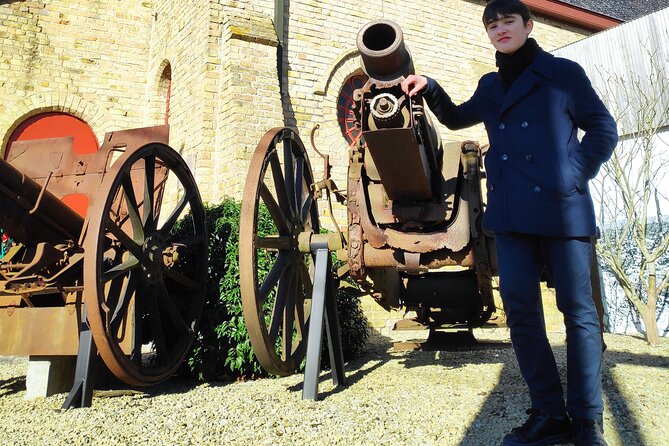
Hooge Crater Museum is the kind of stop that makes the rest of the day click. The museum is known as Belgium’s best private WWI museum, and it leans hard on life-size reconstructions of battle scenes, plus weapons, equipment, and photographs. It is about getting your head around what soldiers dealt with day to day.
You get about 30 minutes here with your historian guiding you through the scenes and answering questions. That question time is a real value, because you can ask things like what the equipment was for or why certain moments mattered. Bring your camera, but also give yourself a few minutes to look without photographing, the reconstructions work better when you let your brain settle.
Possible drawback: it is a museum, so if you are sensitive to graphic war imagery, you may want to pace yourself. The museum’s focus is battlefield material, not a light overview.
Hill 62 and Sanctuary Wood: why preserved trenches feel different
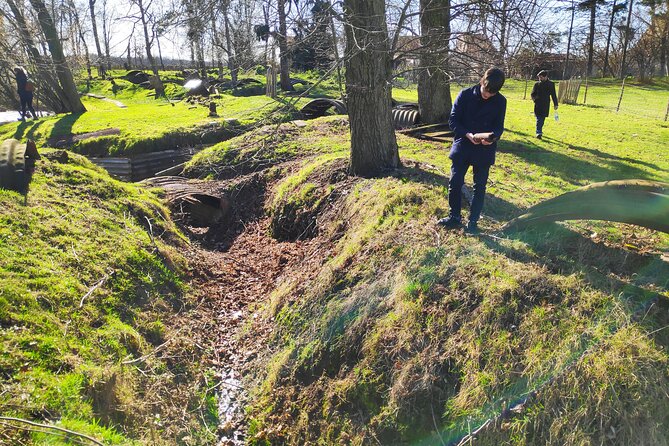
Next up is Hill 62 and Sanctuary Wood, also tied to a “sanctuary” idea from October 1914. The story goes that the wood became a waiting place for stragglers to rejoin their units, and early landowners realized it would matter to visitors and pilgrims. That early decision to protect and preserve the trenches shaped what you see today.
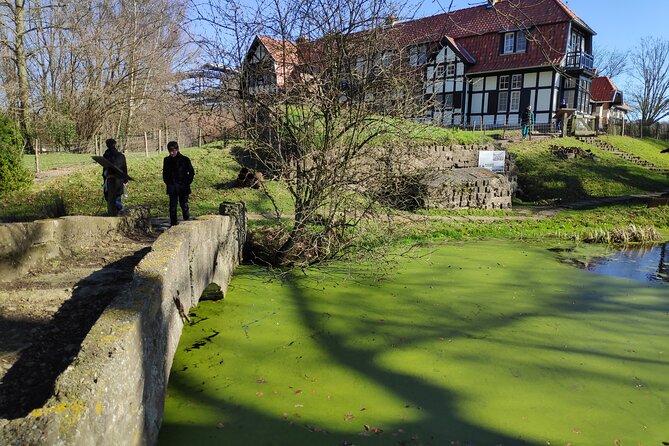
This stop is about about 45 minutes and includes admission. Sanctuary Wood is described as offering some of the finest preserved trenches on the Western Front, and it shows. You are not just reading about the war, you are walking through a landscape that still carries its original trench lines and dugouts.
One standout detail here is the museum interior, with 3D stereoscopic photographs of highly graphic scenes taken during the war. If you are curious how people interpreted those moments with early photo tech, this is one of the more interesting ways the stop gives context fast.
Possible drawback: the content is intense. Plan to look, then step back, it is okay to slow down for your own headspace.
Other days out that start in Brussels

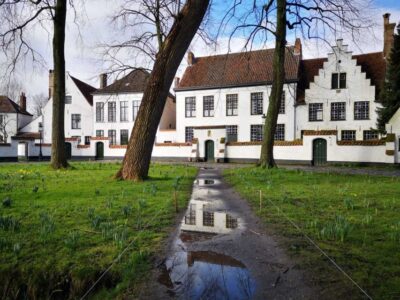
Menin Gate Memorial: the names, then the pause at 8 pm
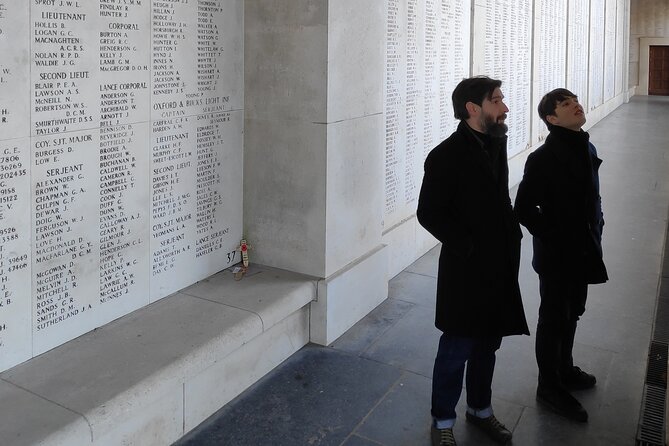
Menin Gate is the overall symbol many people associate with World War I, but the emotional weight comes from the missing names. Inside, you will find the names of some 55,000 Commonwealth soldiers reported missing before August 15, 1917.
The stop is about 30 minutes with admission included. You can spend that time locating the names your family history might connect to, or simply absorbing what “missing” meant when there was no confirmed burial.
There is also a daily ritual that matters here. Every evening at 8:00 pm sharp, the Last Post resounds under the Menin Gate. Because your tour starts at 8:00 am and runs 7 to 10 hours, you may or may not be there for the full moment depending on how the day lands, but it is worth understanding that the memorial is not just static. It is part of a real schedule of remembrance.
Practical tip: if you want the 8 pm moment, bring patience and plan for a bit of waiting.
Ieper (Ypres) lunch break: real time in the rebuilt city
After the heavier sites, the tour gives you a proper reset in Ieper (Ypres). You get about an hour to walk around, pick up souvenirs, and have lunch.
This is not a tiny pit stop. The city time is one of the more practical parts of the day because it lets you stretch your legs, use the bathroom without rushing, and grab a different viewpoint before you return to museums.
You do not have to worry about lunch planning because it is included, along with snacks and soda/pop. Still, I like using this hour to look at the street life around the central area, even if you only have time for quick glances. It helps you remember that Ypres today is a living town, not only a battlefield museum.
In Flanders Fields Museum: Cloth Hall rebuilt, story included
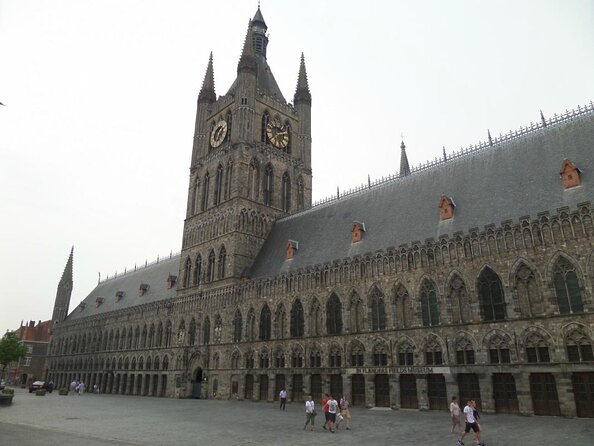
In Flanders Fields Museum sits in the rebuilt Cloth Hall of Ypres, which matters because the Cloth Hall is a wartime hardship symbol and later recovery symbol. The museum tells the First World War story for the West Flanders front region and puts emphasis on how the war’s tangible traces shaped the area.
You also get time to climb the restored Belfry tower. The reward is a view over the city and the surrounding battlefields, which helps you link what you have just learned to where it all happened. For many people, that tower view is where the day starts making spatial sense.
This stop is about 1 hour 30 minutes with admission included. If you like your stories to connect to place, take your time here. It is also a good moment to jot down questions you want answered later at Passchendaele and Tyne Cot.
Possible drawback: if you are museum fatigue-prone, this is still long enough to feel like a second “big” museum stop. Plan to slow your pace instead of trying to absorb everything at once.
Passchendaele Museum: dugout and trench life, made tangible
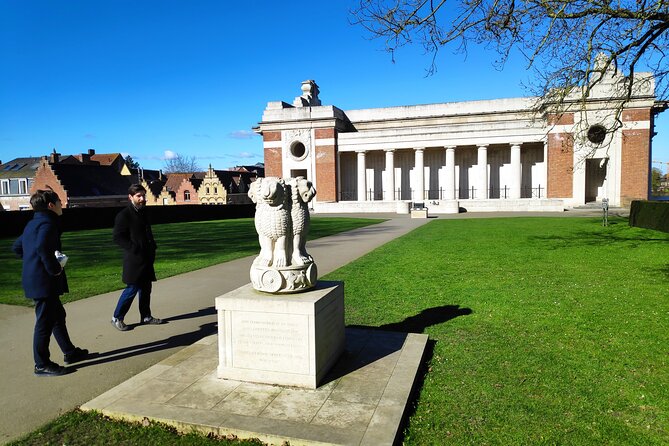
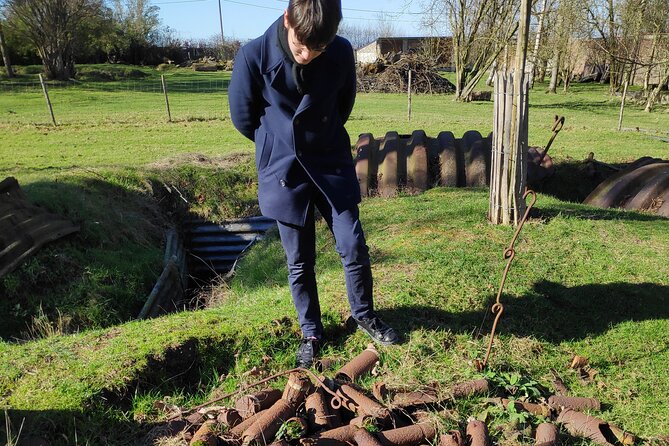
The Passchendaele Museum is built around experiencing military life through dugouts and trenches. Instead of only showing objects in glass, it guides you through spaces that feel like you are moving through the war environment. You will see unique objects and follow a journey through the Battle of Passchendaele.
You get about 1 hour 45 minutes, and admission is included. That is a chunk of time, but it is justified because this stop is designed to be more than a quick display. You can spend time taking in the layout and how the rooms and trench spaces shape your understanding of daily conditions.
Possible drawback: this is another intense stop. If you are easily overwhelmed by war-themed exhibits, do not fight that feeling. Pause, step out of heavy rooms when you can, and give yourself breaks between exhibits.
Tyne Cot Cemetery: where the scale becomes real
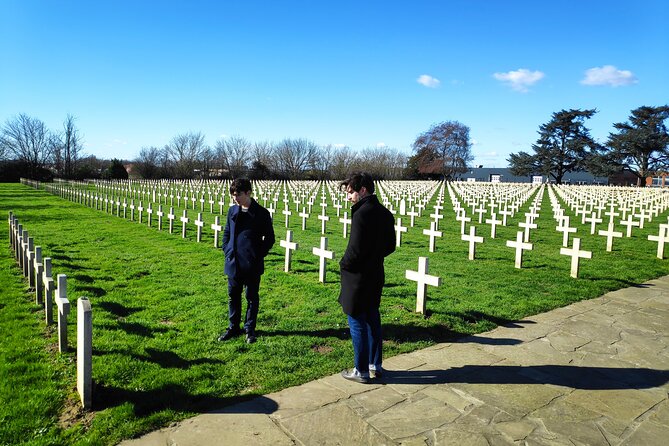
Tyne Cot Cemetery is the final emotional anchor. It is described as the largest Commonwealth war cemetery in the world in terms of burials, and the numbers put it in perspective fast.
You will learn that 11,961 Commonwealth servicemen of the First World War are buried or commemorated here. The Tyne Cot Memorial also forms the north-eastern boundary of the cemetery and commemorates nearly 35,000 servicemen from the United Kingdom and New Zealand who died in the Ypres Salient.
You get about 1 hour here with admission included. I like ending with Tyne Cot because it does not compete with the earlier museums. Instead, it turns everything you learned into something you can walk through, one grave after another, and feel the difference between history as information and history as human loss.
Practical note: bring layers if it is breezy. Cemeteries can feel colder and windier than you expect, even when the rest of the day feels fine.
Meals, comfort, and what to bring for a long WWI day
This is a long day, about 7 to 10 hours. The good news is that the essentials are handled: lunch, snacks, and soda/pop are included, and the vehicle is air-conditioned.
What you still need to handle is your comfort. Wear comfortable hiking shoes. The itinerary includes museum time and cemetery walking, and some of the surfaces may not be friendly to slick soles. Also bring a camera because there are multiple photo-worthy stops, but do not let photography replace reading the memorials or taking a quiet minute in the cemetery.
Since the tour is minimum age 16, it is aimed more at adult travelers and older teens who can handle the subject matter. The guide can answer questions, which means you might want to bring one or two curiosities with you, like what each memorial represents or how the trench systems were used.
Air-conditioned transport, included tickets, and private-group focus
Transport is included via an air-conditioned vehicle, plus all fees and taxes. That matters because you are not adding surprise costs for entry fees while you are on the move.
Admission tickets are included for Hooge Crater Museum, Hill 62 and Sanctuary Wood, Menin Gate, In Flanders Fields Museum, Passchendaele Museum, and Tyne Cot Cemetery. Ypres (the city hour for lunch and souvenirs) is also part of the schedule. You can think of this day as a guided “all-in route” through the key WWI sites around Ieper, with the historian acting as the glue.
The tour is also private, meaning only your group participates. That usually leads to less waiting and fewer disruptions, and it also gives you a better chance to ask questions when something connects to your personal interest.
Price, value, and why $701.35 can make sense
At $701.35 per person, this is not a bargain day. But the price includes more than transport, and that is the point where the value comes from.
You are paying for:
- Air-conditioned vehicle service for a full day
- All fees and taxes
- Included lunch plus snacks and soda/pop
- Included admission tickets for every major museum and memorial stop
- A historian guide who helps interpret what you see
When you add up museum tickets, a historian, and a long guided route with meals covered, it starts to look less like a “tour ticket” and more like a planned day of structured learning and access. If you were doing the same route on your own, you would likely spend time coordinating tickets, travel between sites, and getting context at each stop. Here, you get that context built in.
Also, reviews you have likely read often mention that the guide tailors the day to what you care about. That kind of flexibility is hard to buy as an add-on once you are on the road.
Who should book this WWI sites tour from Brussels
This tour is a strong match if you want the Ypres Salient story in order and you like learning with real place context. It also works well if you want a guide who can handle questions and explain the political and economic situation around the war, not only the military details.
You should consider another option if you want a laid-back day with lots of free time, or if you are not comfortable with graphic war-related content. The museums and trench-related stops are designed to tell the truth about the conflict, and the day does not shy away from that.
It also fits history-minded travelers who like museums, memorials, and walking in meaningful settings. If your idea of fun is reading placards slowly and asking what something means, you will probably enjoy the format.
Should you book this Historic Ypres WWI Sites tour?
If you want a guided, ticketed, meal-included day that takes you through major WWI sites around Ieper, this is a solid choice. The combination of museums, preserved trench territory at Sanctuary Wood, a chance to understand Menin Gate, and an ending at Tyne Cot is a clear story arc, and the historian element is what turns it from sightseeing into understanding.
I would book it if you are willing to commit to a long day and you want more than surface-level facts. If you know you get museum fatigue quickly or you prefer lighter themes, you might want to pick a smaller route instead.
FAQ
How long is the Historic Ypres WWI Sites tour from Brussels?
The tour runs about 7 to 10 hours.
What time does the tour start?
The start time is 8:00 am.
Is pickup offered, and do I get transportation included?
Pickup is offered, and you travel in an air-conditioned vehicle included in the tour.
Are admission tickets included for the museums and memorials?
Yes. Admission tickets are included for Hooge Crater Museum, Hill 62 (Sanctuary Wood) Canadian Memorial, Menin Gate Memorial, In Flanders Fields Museum, Passchendaele Museum, and Tyne Cot Cemetery.
What meals and drinks are included?
Lunch is included, along with snacks and soda/pop. Alcoholic beverages are not included.
Is this tour suitable for children?
The minimum age for this tour is 16.
What is the cancellation policy?
You can cancel for a full refund up to 24 hours before the experience’s start time.
Flanders Fields and the Ypres Salient
Days Out From Brussels
More Ways to See Brussels
Newer Belgium reviews from the same corner of the country
- Discover the secrets of Brussels while playing
★ 5.0 · 3 reviews - Standard vehicle from Charleroi airport to city of Brussels
★ 4.5 · 3 reviews - Private tour to Ghent from Brussels (5hours walk & drive)
★ 5.0 · 3 reviews - Full day Brugge & Ghent: the gems of Flanders
★ 5.0 · 3 reviews - Private tour : Best of Brussels half day From Brussels
★ 5.0 · 3 reviews
Brussels Tours, side by side.
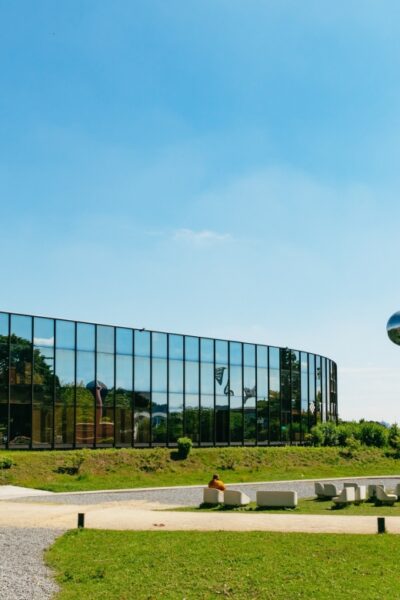 ★ 4.4Brussels: Atomium Entry Ticket with Design Museum TicketFrom $199,254 reviews
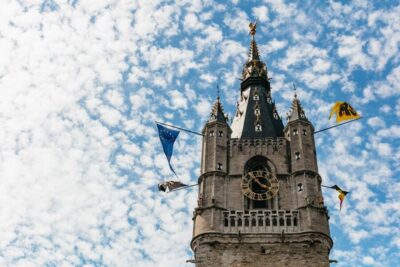 ★ 4.6From Brussels: Guided Day Trip to Bruges and GhentFrom $558,353 reviews
 ★ 4.7From Brussels: Bruges & Ghent Day Tour – 2 Fairytale CitiesFrom $578,242 reviews
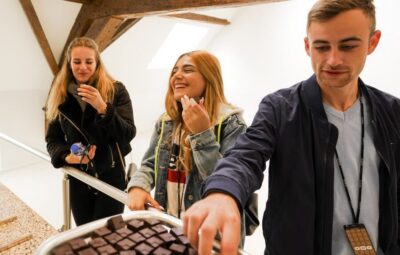 ★ 4.3Choco-Story Brussels: Chocolate Museum Entrance with TastingFrom $184,883 reviews
 ★ 4.0Bruges and Ghent – Belgium’s Fairytale Cities – from BrusselsFrom $594,809 reviews
 ★ 4.0Brussels: Hop-On Hop-Off Bus TourFrom $294,016 reviews
 ★ 4.5Brussels: Entry Ticket to Mini-EuropeFrom $232,870 reviews
 ★ 5.0Hungry Mary’s Famous Beer and Chocolate Tour in BrusselsFrom $1192,258 reviews
Browse the lists this tour appears in