
REVIEW · BRUGES
From Bruges: Great War Flanders Fields Minibus Tour w/ Lunch
World War I here hits different. This full-day Bruges to Ypres minibus tour uses real stops like Hill 60 and the Menin Gate Memorial to turn big dates into personal, place-based stories. I love the way the guides connect the battle map to the lived reality of soldiers, and I like that lunch at De Dreve is built in so you are not scrambling. One possible drawback is that the day is packed with walking and uneven ground, so you need solid shoes and a serious mood.
What really makes this experience worthwhile is the on-the-road storytelling, often led by guides such as Philippe or Lucas Catteeuw, who keep the focus on what happened, where, and why it mattered in Flanders. You get the kind of explanation you would normally pay for in a classroom, but delivered in plain language while you are standing in front of the actual remains, not in a museum room.
You also need to plan around timing. The minibus starts with an early pickup, you will be back in Bruges around 6:15 PM, and the Last Post extension is an optional add-on with limited capacity.
In This Review
- Key points to know before you go
- From Bruges to the Ypres Salient: what the whole 9 hours really feels like
- The best part: WWI stories told on-site, not lectured at
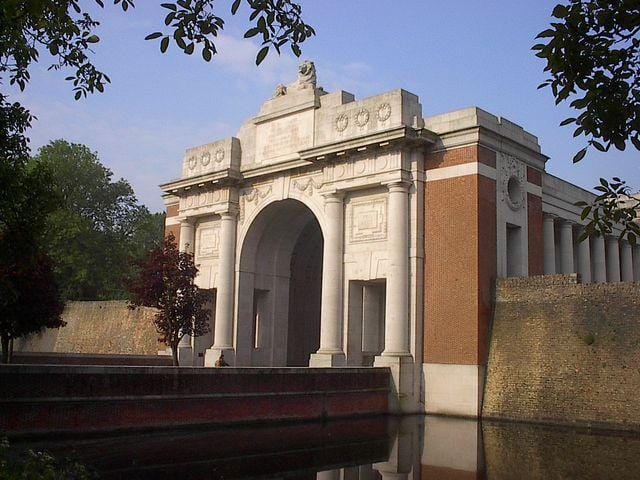
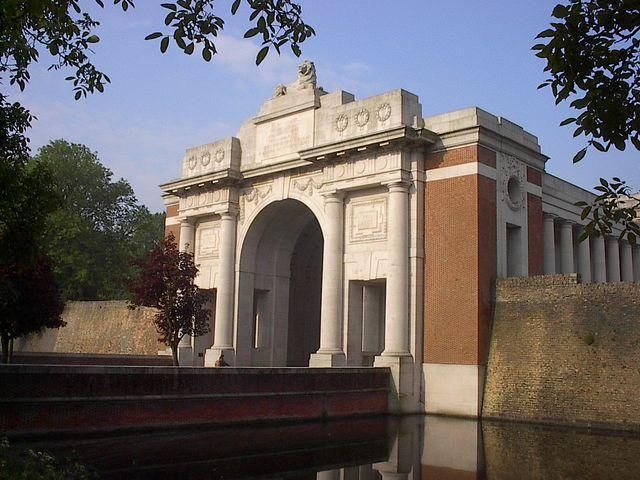
- Menin Gate Memorial: where missing soldiers become a 55,000-name wall
- Passchendaele and Polygon Wood: reading the ground like a battlefield map
- Hill 60: craters, bunkers, and the logic of control
- Restored trenches: what they teach about survival, not just strategy
- Poppy season and the ride through Flanders countryside
- Lunch at De Dreve: simple food, real recovery
- Who this tour suits, and who should think twice
- Practical details that help you have a smoother day
- Should you book this Bruges to Ypres Great War tour?
- FAQ
- How long is the Great War Flanders Fields minibus tour from Bruges?
- Where do we meet the tour in Bruges?
- What is included in the price?
- Are drinks included with lunch?
- Can I add the Menin Gate Last Post ceremony?
- Is the tour suitable for children or wheelchair users?
Key points to know before you go
- Menin Gate Memorial (55,000 names), right where soldiers left for the front
- Restored trenches and cemeteries around the Ypres Salient, including Passchendaele and Polygon Wood
- Hill 60 craters and bunkers, a standout for understanding the ground-level fight
- Guides who tell the story across countries involved, not just one national angle
- Lunch at De Dreve (or an alternative stop) so you can focus on the sites, not logistics
- Optional Last Post ceremony at Menin Gate, with transport back by taxi if arranged in advance
Bruges again, from a different angle
- Bruges: Small Group Boat Cruise and Guided Walking Tour★ 4.8 · 4,102 reviews
- Bruges: Walking Tour, Canal Boat Trip w/Beer Tasting Option★ 4.4 · 2,759 reviews
- Historical Walking Tour: Legends of Bruges★ 5.0 · 2,541 reviews
- Bruges: Choco-Story Chocolate Museum Guided Tour w/Tastings★ 4.2 · 1,379 reviews
From Bruges to the Ypres Salient: what the whole 9 hours really feels like
This tour is built for a single, intense goal: to understand World War I in West Flanders by visiting the sites where the fighting left physical scars. You start in Bruges and ride to Ypres, then work your way through key areas of the Ypres Salient. The day moves steadily, but it does not feel like a race, which matters because most of these places ask for quiet attention.
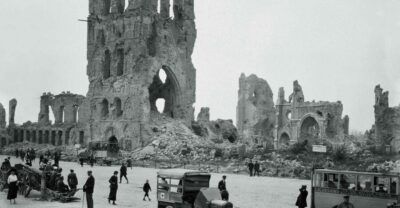
A useful bit of context you will hear early: Ypres, nicknamed Wipers, was rebuilt after being nearly razed in the early 1900s. That framing changes the way you look at everything you see later, because you are not just touring ruins. You are looking at a town that keeps rebuilding over and over, while the landscape around it bears the memory of what happened.
And yes, you also get the strategic reason this region mattered. The Germans’ invasion of Belgium helped attack France from the north. Hearing that while watching the routes and terrain around Ypres makes it easier to connect military choices to real geography.
The best part: WWI stories told on-site, not lectured at
I like tours that teach you how to look. Here, the guide’s job is basically turning static landscapes into something you can understand fast, without turning the day into a dry history class. Guides like Philippe repeatedly focus on the bigger picture, then zoom in on small human details that make it stick.
That approach shows up in the way the commentary works through the day. You are not just getting dates and unit names. You are getting vignettes and connections that show why the battlelines shifted, why certain positions became so important, and what that meant for the people living through it. Multiple guides on this route are described as respectful and even-handed, including stories that remember both sides.
One standout detail from past guests: a guide helped someone find names on the Menin Gate Memorial and pointed out which panel those names appear on. That is the kind of small, practical help that turns a memorial visit from seeing something impressive into feeling connected to it.
Menin Gate Memorial: where missing soldiers become a 55,000-name wall
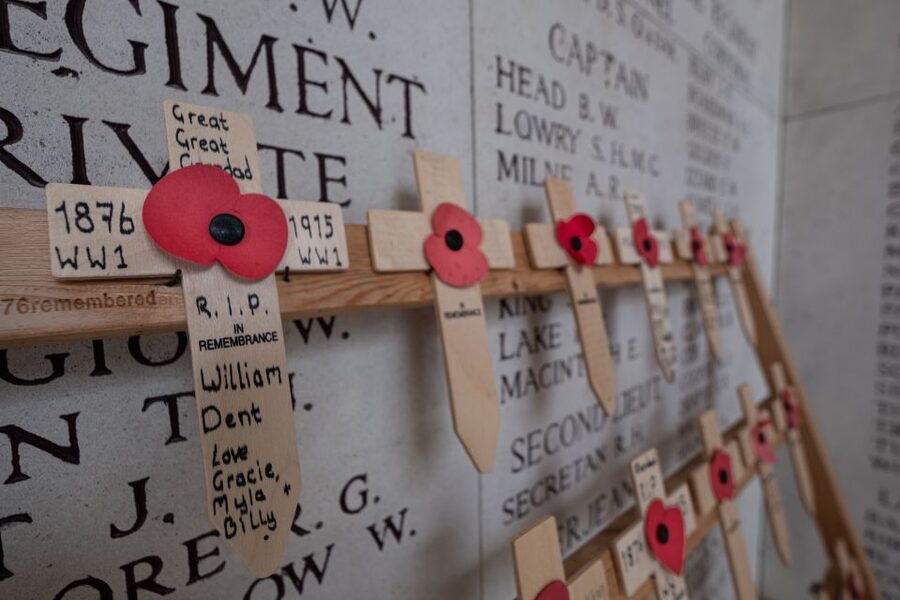
Menin Gate is the emotional anchor of the day, because it is built for remembrance at scale. The memorial sits on the spot where many soldiers left the city for the front, and it bears 55,000 names of missing men.
Here is why this stop is so powerful even if you only know basics about WWI. You are not staring at a generic monument. You are seeing a concrete list of people who did not come home, and you understand that the war’s damage did not end when fighting stopped. Families carried that absence, and the memorial is one of the clearest ways to see it.
If you can handle a longer day, I strongly prefer the optional Last Post ceremony at Menin Gate. Past guests say it is short, but it lands hard. Even if you think you will get the emotional impact from the memorial alone, the ceremony adds rhythm and atmosphere that makes it harder to forget, in the right way.
Passchendaele and Polygon Wood: reading the ground like a battlefield map
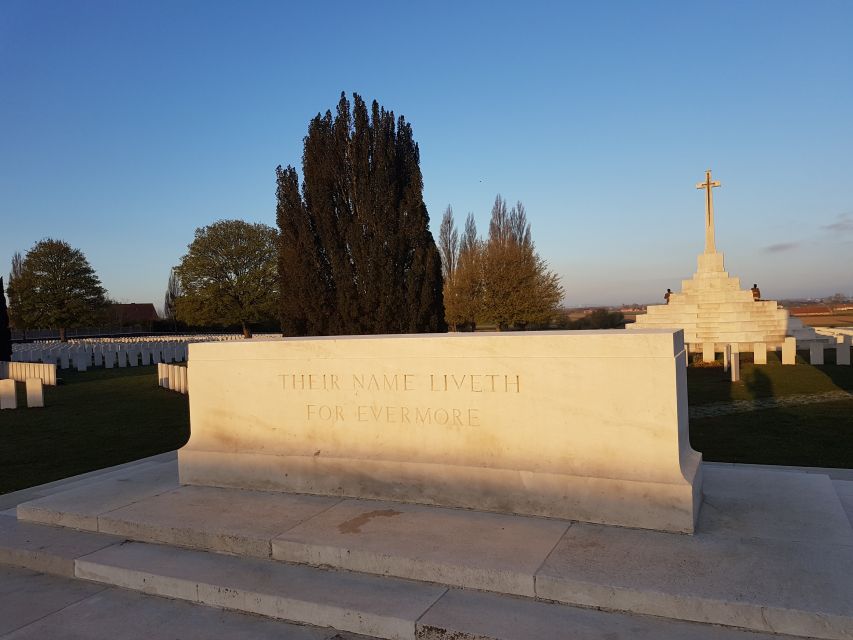
The Ypres Salient has a particular look that visitors either find overwhelming or oddly calming, depending on how the guide frames it. The reason is simple: this landscape is dotted with evidence of what happened, but the fighting is not obvious unless someone teaches you what to look for.
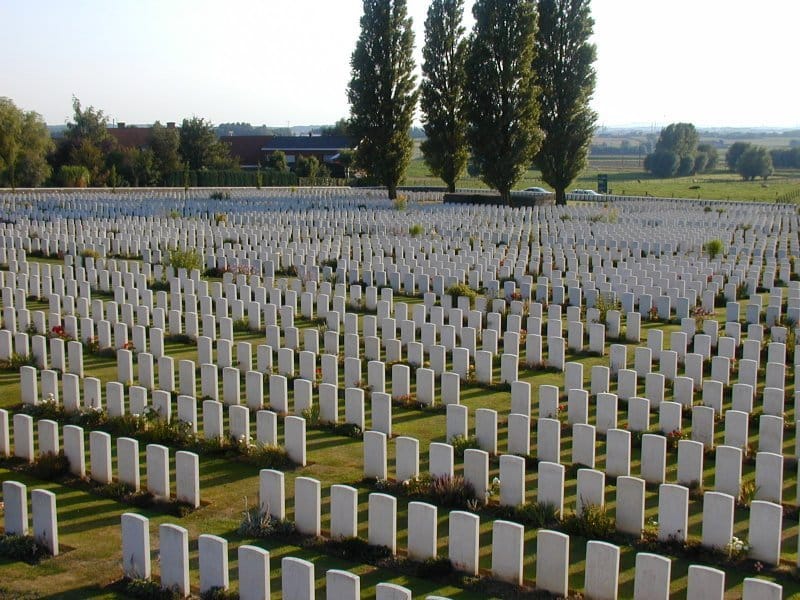
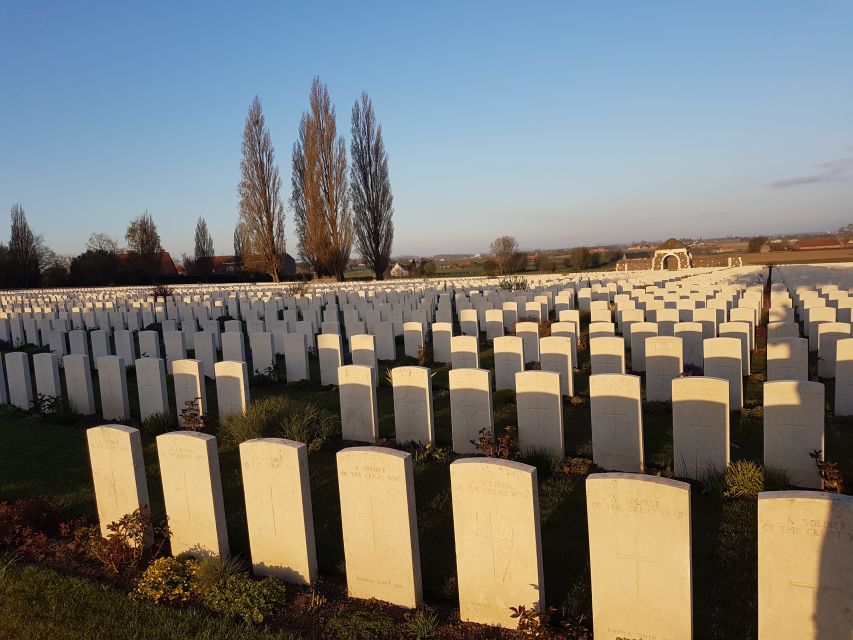
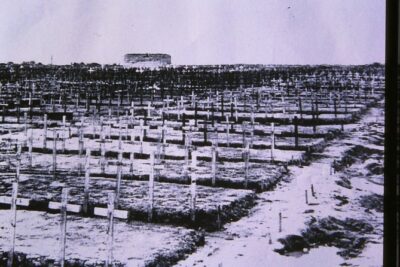
On this tour, you spend time at graves and memorial spaces around Passchendaele and Polygon Wood. These stops are designed to help you understand what “attrition” feels like when the battlefield is built from mud, shell holes, and small pieces of ground that could decide everything.
Practical note: these areas involve walking and standing still in places where it can get chilly or windy, even when Bruges is mild. Wear layers and expect slower pacing here. You will get chances to pause, but you should not expect a quick photo stop.
Other Flanders Fields and Ypres Salient tours we have reviewed

Hill 60: craters, bunkers, and the logic of control
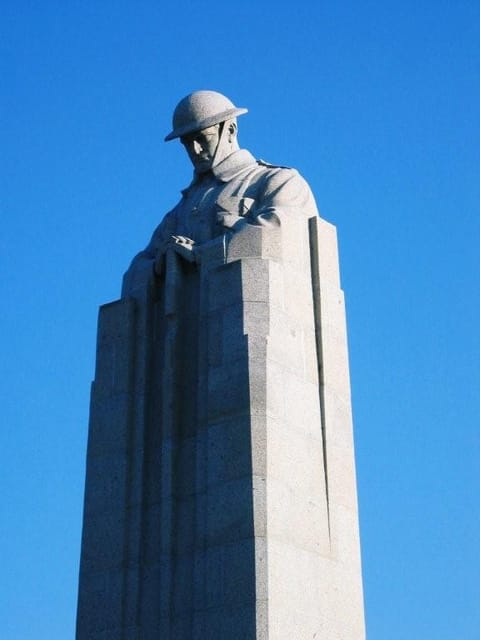
If you want one stop that makes the war feel physical, it is Hill 60. Guests consistently call it a highlight, and you can see why once you are there. You are looking at preserved battlefield features, including craters and bunkers. That is the difference between reading about a battle and understanding why that terrain mattered.
This is also a rare opportunity to grasp how small changes in position could mean life or death. The guide uses the place to explain the fight for ground and the role of defensive structures. You end up with a better mental model of how WWI combat worked: not as a clean march forward, but as constant pressure on systems, lines, and survival.
Off-season visits can make Hill 60 feel even more stark. One guest specifically thanked the guide for taking them around during the off-season, which suggests the tour works well when the scenery is less green and more winter-plain. Either way, the meaning stays the same.
Restored trenches: what they teach about survival, not just strategy
This tour also includes restored trenches, which might sound like a museum prop until you connect it to what you just learned at Hill 60 and the cemeteries. The restored sections help you picture how soldiers moved, how they sheltered, and how brutal daily life could be.
The key is how the guide ties it back to the war’s human side. Past guests highlight that the best parts are the stories, and that the day does not feel overly academic. It comes across like walking with someone who grew up with the subject matter, or at least treats it like a living responsibility.
If you are worried that trench sections will feel repetitive, trust the pacing. The tour does not just repeat the same lesson in different places. It builds your understanding in steps, from memorial meaning, to battlefield terrain, to survival details.
Poppy season and the ride through Flanders countryside
Between the big WWI stops, you get the countryside drive through West Flanders. If poppies are in season, you will see the iconic fields. Even when they are not, the ride is still valuable because it gives you a break from the heaviness and puts you back into the “now” of the region.
That balance matters. A WWI day can start to feel one-note if the route never changes pace. The air-conditioned mini coach gives you a comfortable reset, and the scenery helps your brain switch from battlefield facts to human scale.
Also, the coach stops frequently. You will have bathroom breaks, but plan for quick runs, and consider carrying small cash for places that charge a modest fee for facilities. One guest recommended bringing change because some stops do not take cards.
Lunch at De Dreve: simple food, real recovery
Lunch is included at De Dreve (or an alternative stop if needed). Past guests describe it as enjoyable, and some mention a museum visit as a bonus during the lunch stop. That is a clever way to add context without turning the entire day into a series of indoor exhibits.
What I like about included lunch is that it protects the flow of the tour. You are not squeezed into a “find food fast” schedule while your guide keeps moving the group. You can eat, decompress a bit, and then come back ready for the cemetery and memorial portions, which require more mental energy.
Drinks are not included, so bring a little extra budget if you want tea, soft drinks, or something stronger with your meal. Beer is often mentioned positively at lunch, but your call.
Who this tour suits, and who should think twice
This is a strong choice if you want WWI history you can feel in your legs, not just in your head. You should especially consider it if:
- you care about World War I sites around Ypres and want more than a surface-level overview
- you like guided storytelling that connects countries involved, not just one national narrative
- you want a full day with transport handled and an itinerary that hits the major memorial points
It is not a great fit if:
- you need wheelchair access or have mobility limitations. This tour is not suitable for wheelchair users, and it is not designed for people with mobility impairments.
- you are traveling with children under 8. The content and walking requirements do not match that age range.
- you prefer a lighter day. This is a somber subject, and the places themselves set the tone.
Price check: Is $130 worth it?
For a 9-hour guided minibus day from Bruges with transportation, a guide, and lunch included, $130 can feel like a lot at first glance. But when you compare it to the cost of piecing together trains, taxis, parking, and separate entrance fees, the value starts to look more honest.
You are also paying for something harder to price: a guide who can explain the meaning of each place while you are standing in it. The repeated praise for guides like Philippe and Lucas Catteeuw points to a major reason the day feels worth it. You are not just transported between sites. You are taught how to interpret them.
Practical details that help you have a smoother day
- Pickup in Bruges is right in front of the Grand Hotel Normandy, Hoefijzerlaan nr 37. Plan to stand outside at 8:55 AM.
- You will be back around 6:15 PM. Build in a buffer if you have dinner plans.
- Wear comfortable shoes and weather-ready clothing. Some stops involve walking on uneven ground.
- No smoking is allowed on the mini coach.
If you have a personal connection, ask ahead about visiting an ancestor’s grave if the timing and location in the Ypres Salient allow it. Past guests report that this is possible with advance request, and that kind of outcome can turn the whole day into something deeply personal.
Should you book this Bruges to Ypres Great War tour?
Book it if you want the best way to experience Flanders Fields WWI in one day, with an expert guide shaping the meaning of each stop. The Menin Gate visit, Hill 60, and the cemetery areas around Passchendaele and Polygon Wood give you the strongest mix of scale and specificity.
Skip or reconsider if you need a low-walking schedule or wheelchair-friendly access, because the tour is not set up for that. Also, if you dislike guided visits that take a serious tone, this is still going to feel heavy, because the sites are heavy.
If you are on the fence about the Last Post ceremony option, I would lean toward adding it when you can. It is extra time, but it turns a memorial into a shared moment of remembrance.
FAQ
How long is the Great War Flanders Fields minibus tour from Bruges?
The tour runs for about 9 hours.
Where do we meet the tour in Bruges?
Meet right in front of the Grand Hotel Normandy, Hoefijzerlaan nr 37. Stand outside the hotel at 8:55 AM.
What is included in the price?
Transportation in an air-conditioned mini-coach, a live English guide, and lunch at De Dreve (or an alternative stop).
Are drinks included with lunch?
No, drinks are not included.
Can I add the Menin Gate Last Post ceremony?
Yes. You can extend the tour until 8:00 PM for the Last Post ceremony at Menin Gate, with transport back to your Bruges hotel by taxi if you request it in advance. There is a fee of €35 per person with a minimum of two persons.
Is the tour suitable for children or wheelchair users?
No. It is not suitable for children under 8, people with mobility impairments, or wheelchair users.
Every Belgium Review
Flanders Fields and the Ypres Salient
Keep Reading Bruges
Newer Belgium reviews from the same corner of the country
- Explore the Instaworthy Spots of Bruges with a Local
★ 5.0 · 3 reviews - Best of Brussels Private Tour from Zeebrugge or Bruges
★ 4.0 · 3 reviews - Private taxi Transfer from Bruges to Amsterdam
★ 5.0 · 3 reviews - Bruges Photo Session By a Pro
★ 5.0 · 3 reviews - Private 3-hour walking tour of Bruges with official tour guide
★ 4.0 · 3 reviews
Bruges Tours, side by side.
 ★ 4.6From Brussels: Guided Day Trip to Bruges and GhentFrom $558,353 reviews
 ★ 4.7From Brussels: Bruges & Ghent Day Tour – 2 Fairytale CitiesFrom $578,242 reviews
 ★ 4.0Bruges and Ghent – Belgium’s Fairytale Cities – from BrusselsFrom $594,809 reviews
 ★ 4.8Bruges: Small Group Boat Cruise and Guided Walking TourFrom $514,102 reviews
 ★ 4.4Bruges: Walking Tour, Canal Boat Trip w/Beer Tasting OptionFrom $412,759 reviews
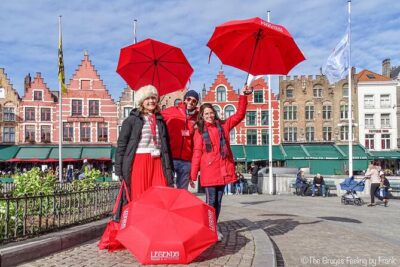 ★ 5.0Historical Walking Tour: Legends of BrugesFrom $32,541 reviews
 ★ 4.4From Amsterdam: Bruges Day Trip in English with Boat OptionFrom $611,989 reviews
 ★ 4.6From Amsterdam: Bruges Day Trip in Spanish with Boat OptionFrom $611,866 reviews
Browse the lists this tour appears in