
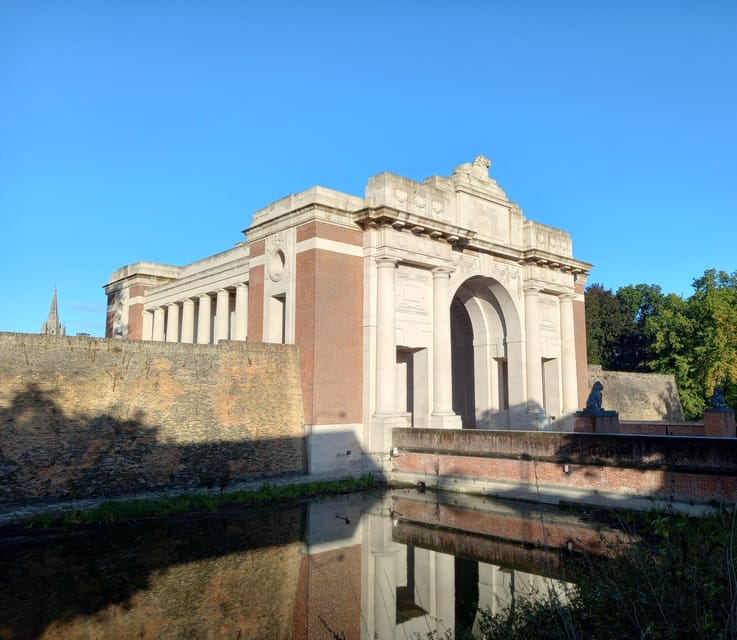
REVIEW · FLANDERS FIELDS & WWI BATTLEFIELD
From Ypres: WWI Battlefields Private Tour
Four hours in Ypres, where ground remembers names. This is a private WWI battlefield day built around the Ypres Salient, with original trench walking and cemetery time that puts the 1917 story in real places. If you want more than a drive-by tour, this format gives you a guided route and the chance to follow the soldiers toward Passchendaele.
I love how the day balances big set-piece sites with moments that feel personal, especially at Caterpillar Mine Crater (Hill 60 B) and Sanctuary Wood. I also like that your guide can connect the sites to people, including opportunities to see memorials to the missing and places tied to family connections.
One consideration: it is a 4-hour plan with set stop times, and food is not included, so you’ll want to plan a snack or lunch before or after.
In This Review
- Key points you’ll care about
- A four-stop “why it matters” route from the Ypres Salient
- Hill 60 B and the Caterpillar Mine Crater walk
- Sanctuary Wood Museum and trench walking
- Tyne Cot Cemetery and Wargrave: a place of names
- The Brooding Soldier memorial and the first gas attack in 1915
- John McCrae’s Dressing Station and In Flanders Fields
- Essex Farm Cemetery and closing with reflection
- What private means here: tailoring and pacing
- Choosing the right national focus: Australian, Canadian, Kiwi
- Price and value for a 4-hour private battlefield day
- Logistics that will help you enjoy the day
- Who should book this tour, and who might want something else
- Should you book this Ypres WWI Battlefields private tour?
- FAQ
- How long is the WWI Battlefields private tour from Ypres?
- What is the price and group size?
- Where do we meet the guide?
- What’s included in the tour price?
- Is food included?
- Are there different itinerary options?
Key points you’ll care about
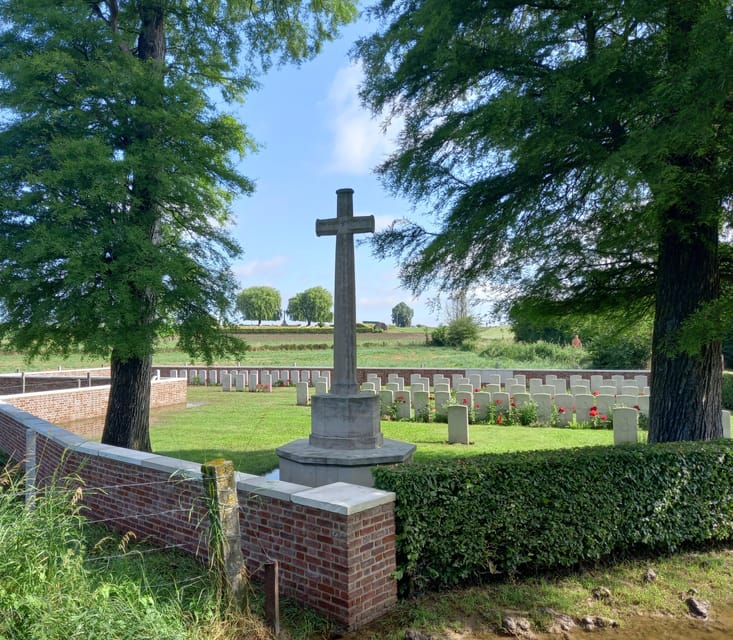
- Private group, small and flexible: Up to 4 people, with hotel pickup and drop-off in Ypres.
- Actual trenches and major craters: Walk at Sanctuary Wood and the massive mine crater at Hill 60 B.
- Tyne Cot and Wargrave scale: The cemetery setting helps you absorb the reality of roughly 12,000 war dead buried there.
- Gas warfare memorial in context: The Brooding Soldier marks the first-ever German gas attack in 1915.
- John McCrae’s writing place: You’ll see the Dressing Station stop connected to In Flanders Fields.
- Choose your national focus: The tour can be set as Australian 1917, Canadian 1915 and 1916/1917, or Kiwi 1917.
Other Flanders Fields and Ypres Salient tours we have reviewed
- From IEPER Private 4-hour Tour of the Ypres Battlefield★ 5.0 · 154 reviews
- In Flanders Fields and Passchendaele Half Day Morning Tour★ 5.0 · 117 reviews
- Ypres: An exploration of the deadly salient battlefields★ 5.0 · 76 reviews
- From Brussels: Flanders Fields Remembrance Full-Day Trip★ 4.4 · 65 reviews
A four-stop “why it matters” route from the Ypres Salient

This tour works because it does not try to cover everything. In just 4 hours, you get a clear sense of how the fighting moved, why this sector mattered, and what it meant for the soldiers who attacked toward Passchendaele in 1917. You also get guided time in the places where history is visible in the ground itself, not just explained from a distance.
If you care about names and connections, this is where the private format really pays off. You meet your guide in Ypres, then you can ask for a route that matches your interests and, if you have details, your family links. Several guides in this experience have been praised specifically for tailoring the day, including connecting the route to national sites important to Australians and to other Commonwealth groups, and for making sure you do not feel rushed.
Hill 60 B and the Caterpillar Mine Crater walk
Your day starts with the Caterpillar Mine Crater (Hill 60 B), where the focus is the effect of mining warfare in 1917. You get a guided tour plus time to walk the area, so you can look at scale with your own eyes, not just in photos. The main value of this stop is perspective: when you stand near a mine crater, it becomes easier to understand how terrain shaped tactics, movement, and survival.
A crater like Hill 60 B also sets the emotional tone for the rest of the route. It is not abstract. The ground looks altered, and that visual cue helps everything you hear next land faster. For your own pacing, wear comfortable shoes. Even when the paths are manageable, you’ll be on outdoor surfaces where stability matters.
Sanctuary Wood Museum and trench walking
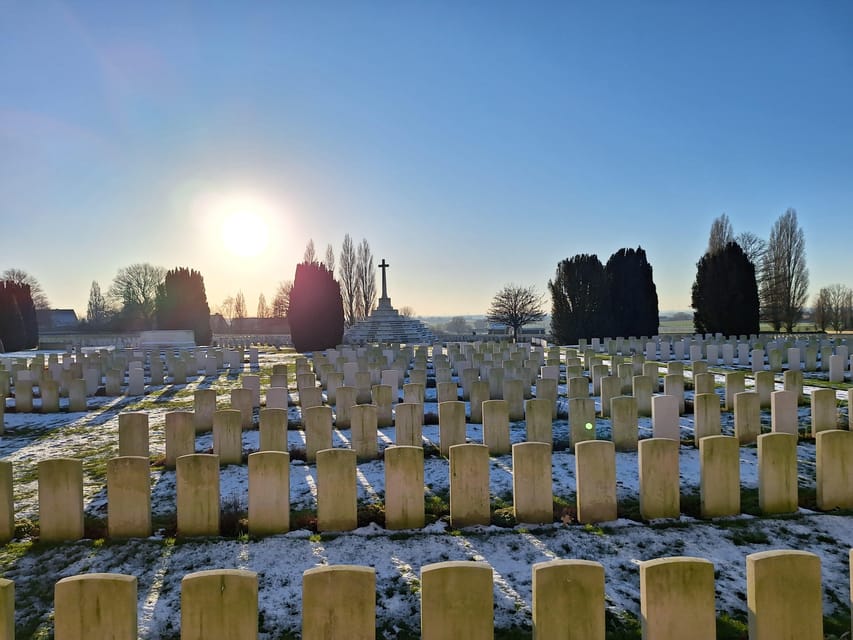
Next comes Sanctuary Wood Museum, with guided time plus the chance to walk original trench lines in the area. This is one of the places that helps you understand trench warfare as something physical: positions, cover, and the way soldiers had to move under pressure. The museum component is useful because it gives context before you walk, so your eyes catch details that might otherwise blend together.
Why I like this stop for you: it turns the day from a list of sites into a story you can follow in steps. You see the evidence first, then you get the explanation, and then you can look again with new meaning. One practical tip, bring your camera, because the trench setting and museum exhibits are both good for photos, and the guided timing means you’ll know what you’re photographing.
Tyne Cot Cemetery and Wargrave: a place of names
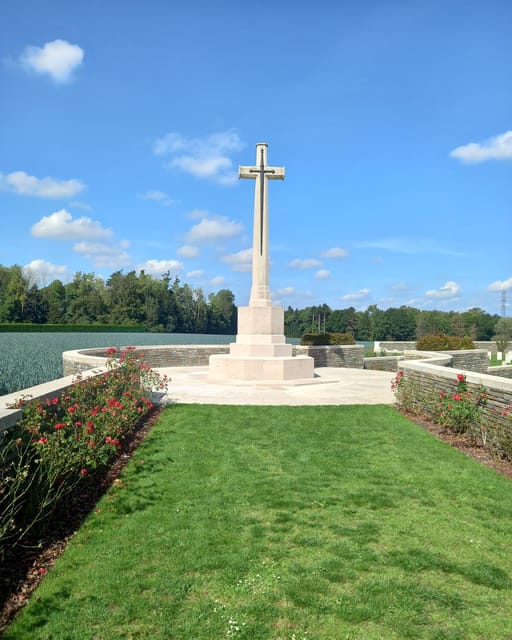
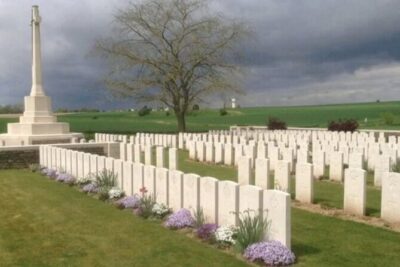
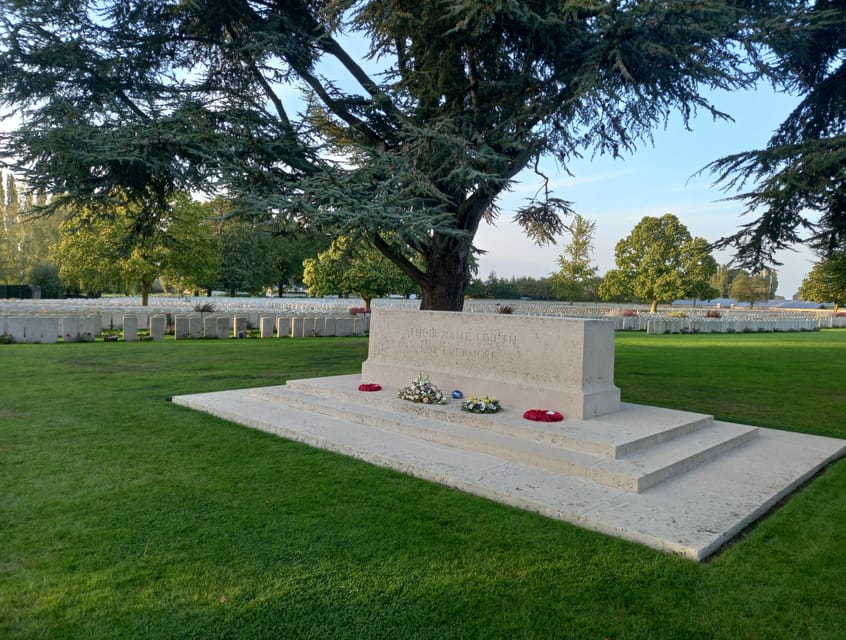
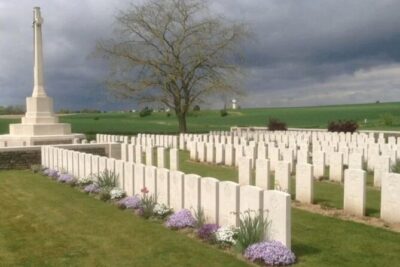
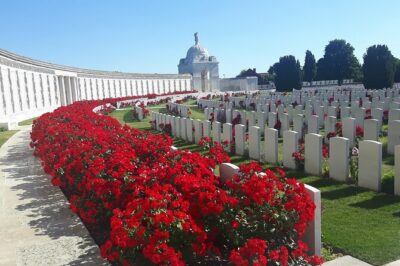
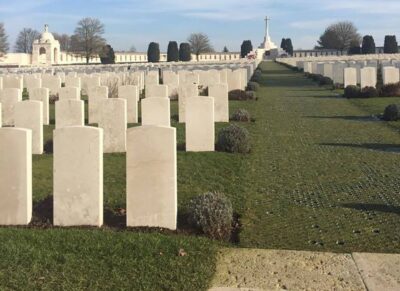
Then you shift from battlefield mechanics to remembrance at Tyne Cot Cemetery, also described as Wargrave, where around 12,000 war dead are buried. The sheer number matters, but what helps most is the guided walk and the way the setting encourages slow looking. Cemeteries like this can feel overwhelming if you try to process everything at once, so having a guide to frame what you’re seeing can keep the experience thoughtful instead of chaotic.
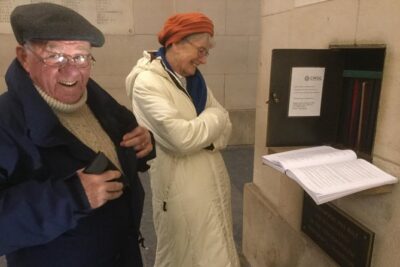
This stop is also where the tour often becomes personal. If you have a family connection, it is here that the guide can point you toward relevant areas where possible, so you spend time with meaning instead of just sightseeing. If your group is not focused on ancestry, don’t worry. The guided context still helps you understand why Tyne Cot became such a central burial site for the fighting in this part of Flanders.
The same ground, just your own group
The Brooding Soldier memorial and the first gas attack in 1915
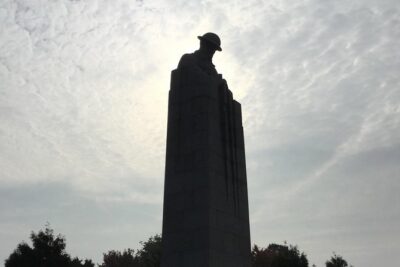
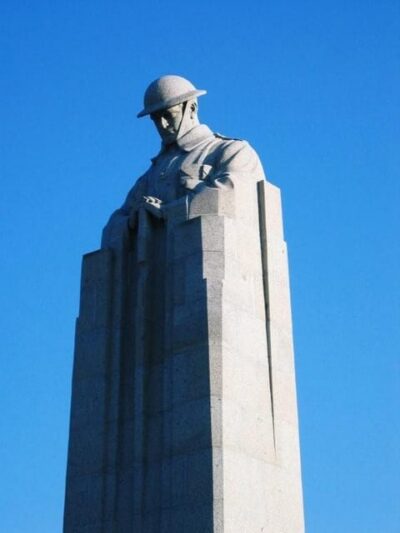
At The Brooding Soldier, you focus on a darker turning point: the 1915 first-ever German gas attack. This is a short stop by the clock, but it is a heavy one in impact. The value here is that it interrupts any idea that the Western Front was only artillery and trench raids. Gas warfare changed the nature of fear and survival, and a memorial like this gives you a concrete place to understand that shift.
For practical reasons, use this moment to slow down. You are not just ticking off a landmark. You’re standing at a memorial tied to how the war evolved, and the guide’s explanation helps you connect the memorial to the broader fighting route you’re following for the day. Also, if you’re sensitive to themes like chemical warfare, you can tell the guide early and they can shape the tone and pacing.
John McCrae’s Dressing Station and In Flanders Fields
After the gas memorial, you head to the John McCrae Dressing Station stop connected to the writing of the poem In Flanders Fields. You get a photo stop, and that matters because this is a location people associate with words that became lasting proof that the war reached into culture, not only tactics.
Even if you already know the poem, seeing the place where McCrae’s poem is tied can change how you read it. The guide’s framing makes the stop more than a caption. It turns the story into a sense of time and place, and you can stand there and notice how the area looks in the present, then listen to how it was during the battle period.
One practical note: give yourself a little extra attention to timing here. Photo stops can feel quick when you’re busy, but this one is the bridge between commemoration and literature. If your group has someone who loves poetry or history, it tends to land well.
Essex Farm Cemetery and closing with reflection
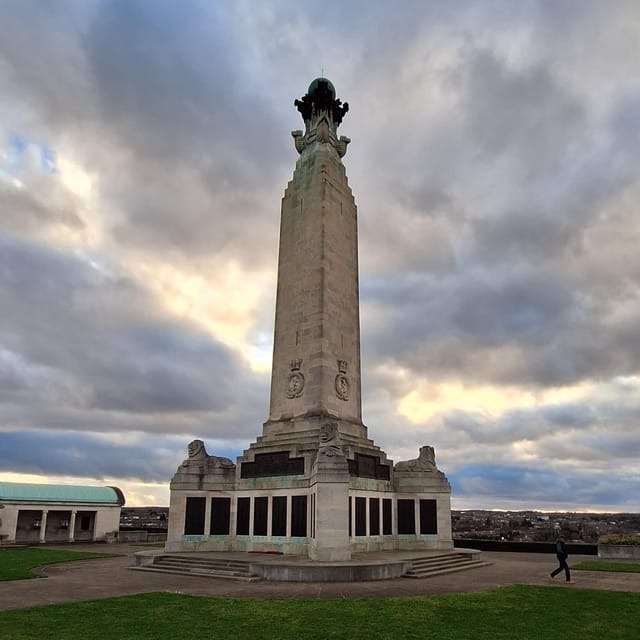
To wrap up, you visit Essex Farm Cemetery, with guided time that is brief but intentional. Short cemetery visits can feel like a rush if the tour is trying to do too much, but in this schedule Essex Farm works as a final step that keeps you moving along the war’s route while still leaving room for reflection. By the time you reach this stop, you’ve already built the context from the mine crater, Sanctuary Wood, Tyne Cot, and the gas memorial.
If you’re traveling as a small group, this ending can be especially satisfying. You’ve got shared reference points, but you also have the option to slow down and look on your own for a few minutes. The guide can keep the day coherent, then you can let your own thoughts land at the last cemetery point.
What private means here: tailoring and pacing
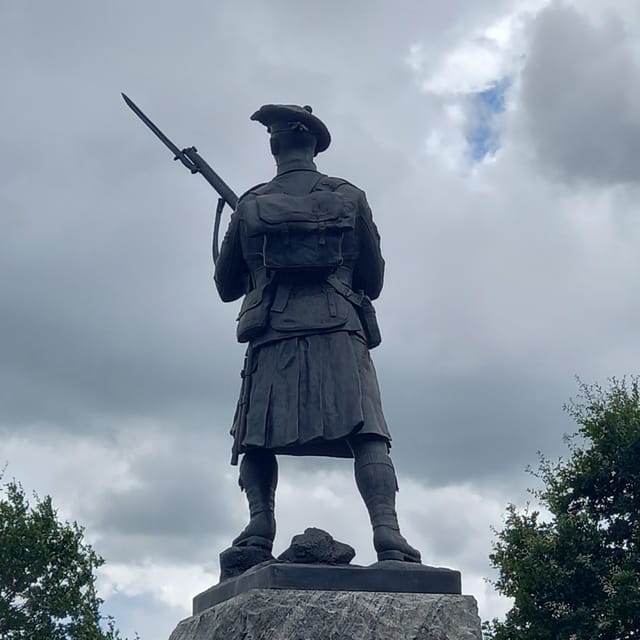
This tour is private, with English speaking guidance and enough structure to keep the day meaningful. Private does not automatically mean better, but here it matters because you can tailor the day to what you want: national focus, battle route interest, and family connections where possible. If you have names, dates, or even a few basics about relatives, share them with your guide so they can adjust the route with that in mind.
In practice, this shows up in pacing too. Several people have highlighted that they did not feel rushed and that the guide let them move at their own comfort level. You’ll still follow a 4-hour plan, but the experience is designed to give you time to look, listen, and absorb rather than race from stop to stop.
Choosing the right national focus: Australian, Canadian, Kiwi
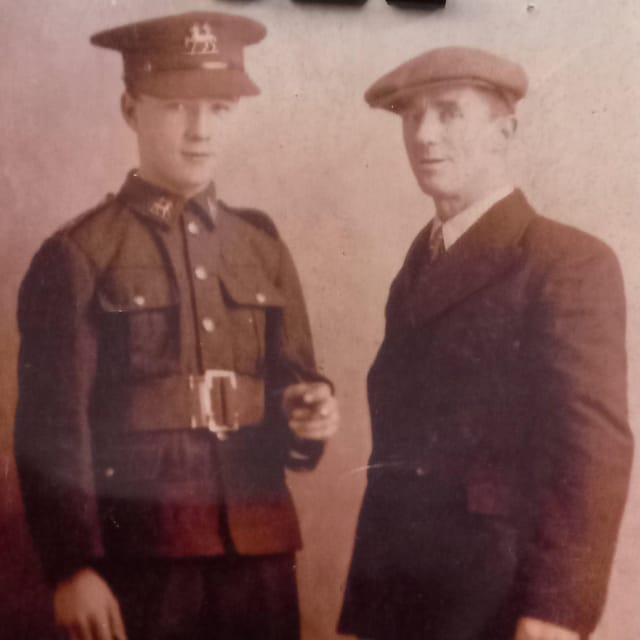
One underrated advantage of this experience is that it offers three different itineraries. You can pick an Australian 1917 focus, a Canadian 1915 and 1916/1917 focus, or a Kiwi 1917 focus. That means you are not stuck with one generic route that tries to fit every nationality.
For you, this matters because it makes the day feel targeted. If you have Commonwealth ties, the guide can route you toward sites that resonate more personally. It also helps you feel that the history is not a single story. The war affected different units and countries in related but distinct ways, and the tailored itinerary helps keep the details from getting muddled.
If you are traveling as a mixed group, you can use the national focus to decide which sites you prioritize most. Tell the guide what matters to your group before you start walking. You’ll get a smoother day and fewer awkward compromises mid-tour.
Price and value for a 4-hour private battlefield day
The price is $530 per group for up to 4 people, and it lasts 4 hours. On paper, that can look steep, but here is the value math that usually makes it make sense.
You get hotel pickup and drop-off, a live guide, museum entrance fees, and mineral water. You’re also not paying per person for guidance time, so small groups get the efficiency. If two or three people are splitting the cost, the per-person price drops quickly, and you benefit from a private route that can match family connections rather than forcing everyone into someone else’s interests.
Also consider the time pressure of self-driving. The Ypres area and the battlefield sites are easier when someone else handles the route and timing. One review element that aligns with this is praise for comfortable, well-managed transport and for guides using maps and charts to keep you oriented. Even if you are comfortable driving, you’ll likely save mental energy with a guide doing the “where and why” work.
Logistics that will help you enjoy the day
A few practical notes from the info provided that make the day go smoother.
- Meet your guide in Ypres at your accommodation or at Ypres Railway Station, depending on what you choose.
- Bring comfortable shoes and dress for the weather, since you’ll be walking and spending time at outdoor sites.
- Have a camera ready for both the cemetery settings and the photo stop at John McCrae’s dressing station.
- Plan for food not included. If your tour is near a meal time, eat beforehand or bring a snack for after.
One more tip that is worth your effort: if family history matters to you, come with any details you have. Names, approximate dates, and unit info can help the guide tailor the day in a real way, including searching for commemorations where possible. That personal angle is a big reason people book this style of tour.
Who should book this tour, and who might want something else
This tour is best for you if you want a guided, structured walk through the most meaningful WWI sites around Ypres, and you like the idea of a route that can be tailored. It also fits well if you care about national connections, because the Australian, Canadian, and Kiwi itinerary options keep the story focused.
If you prefer an unguided day where you can wander without any fixed stop times, you may find the schedule tighter than you want. Essex Farm Cemetery, for example, is short, and it is short on purpose. This is not a “stay all day at one cemetery” experience. It is a tight route that prioritizes breadth with enough context at each stop.
Should you book this Ypres WWI Battlefields private tour?
Book it if you want a private 4-hour route that hits the major emotional anchors of the Ypres Salient, including Hill 60 B, Sanctuary Wood, Tyne Cot, the Brooding Soldier, and John McCrae’s associated stop. The best reason to book is the combination of guided context plus the ability to tailor to your interests and family links.
Skip it only if your top priority is lots of free time at one or two sites, or if you need a tour that provides lunch and meals. Otherwise, this is a well-paced way to understand what happened here, stand in the places where it happened, and leave with a clearer picture than you’ll get from driving it alone.
FAQ
How long is the WWI Battlefields private tour from Ypres?
The tour lasts 4 hours.
What is the price and group size?
It costs $530 per group, up to 4 people.
Where do we meet the guide?
You can meet your guide at your Ypres-based accommodation or at Ypres Railway Station.
What’s included in the tour price?
Hotel pickup and drop-off, a live guide, mineral water, and museum entrance fee are included.
Is food included?
No. Food is not included.
Are there different itinerary options?
Yes. There are three versions: Australian 1917, Canadian 1915 and 1916/1917, and Kiwi 1917.
More Belgian Tours
Every Belgium Review
Flanders Fields and the Ypres Salient
Newer Belgium reviews from the same corner of the country
- Discover Tournai while playing! Escape game – The alchemist
★ 4.0 · 3 reviews - From LIlle or Bruges, Christmas Truce to Passchendaele Ypres 1 day WW1 private
★ 5.0 · 5 reviews - From Ypres 4hr Christmas Truce and Monster Mines of Messines PRIVATE Tour
★ 5.0 · 5 reviews - e-Scavenger hunt Ypres: Explore the city at your own pace
★ 4.5 · 6 reviews - Full Day Canadian WW1 Vimy and Somme Battlefield Tour from Ypres
★ 5.0 · 6 reviews
Flanders Fields & WWI Battlefield Tours, side by side.
 ★ 4.9From Bruges: Great War Flanders Fields Minibus Tour w/ LunchFrom $1301,257 reviews
 ★ 4.5Flanders Fields Remembrance Tour from BrusselsFrom $113334 reviews
 ★ 4.5Flanders Fields Remembrance Tour from BrugesFrom $95207 reviews
 ★ 5.0From IEPER Private 4-hour Tour of the Ypres BattlefieldFrom $399154 reviews
 ★ 5.0In Flanders Fields and Passchendaele Half Day Morning TourFrom $108117 reviews
 ★ 5.0Ypres: An exploration of the deadly salient battlefieldsFrom $8876 reviews
 ★ 4.8From Bruges: Flanders Fields Remembrance Full-Day TripFrom $9165 reviews
 ★ 4.4From Brussels: Flanders Fields Remembrance Full-Day TripFrom $10765 reviews
Browse the lists this tour appears in