
REVIEW · FLANDERS FIELDS & WWI BATTLEFIELD
In Flanders Fields and Passchendaele Grand Tour
WWI hits different when the ground still holds clues. This Ypres day trip gives you small-group focus and walks you through preserved trenches and bunkers where the fighting happened. Two things I like a lot: the route links major Allied and German sites in one coherent day, and the guide’s story helps you picture how people actually lived underground. One drawback to keep in mind: it is a long, packed half-day-plus, so you will spend limited time at each stop and you should go in with a calm mindset.
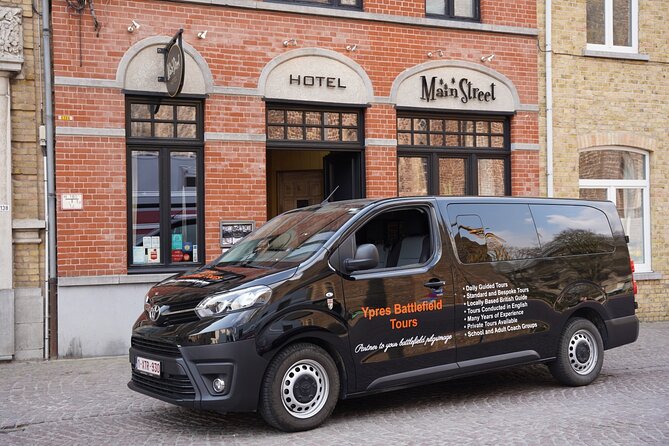
This is run by Ypres Battlefield Tours, starting at Station Ieper, and it ends back where you began. You travel with a guide around the Ypres Salient and out toward Passchendaele, with lunch and bottled water included, plus a short, moving stop that ties into the Christmas Truce memory. With a maximum of 8 people, you get room to ask questions and slow down when something really lands for you, like it did for many in Roger’s care, detail, and gentle humor.
In This Review
- Key highlights worth caring about
- The Ypres meeting point and the pace you should expect
- Sanctuary Wood Museum and the Christmas Truce memorial
- Passchendaele countryside drive and why the drive matters
- Tyne Cot Cemetery, the biggest names in one place
- Langemark Cemetery: a hard visit with context
- Essex Farm Cemetery and Lt Col John McCrae’s story
- German Command Post, Hill 60, and the underground war story
- Bayernwald trenches: a preserved German view that you can’t skip
- Price, lunch, and whether $344 feels fair
- Getting the most out of it: practical tips for a heavy day
- Who should book this tour
- Should you book the In Flanders Fields and Passchendaele Grand Tour?
- FAQ
- How long is the tour?
- Where does the tour start and end?
- What time does it begin?
- How big is the group?
- Is the ticket mobile?
- What is included in the price?
- Are alcoholic beverages included?
- What is the cancellation policy?
Key highlights worth caring about
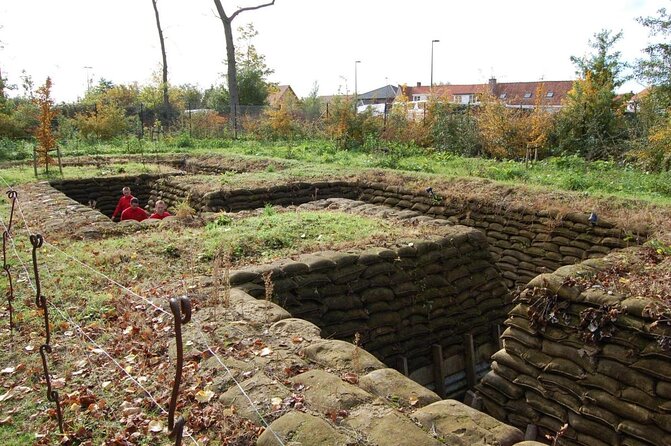
- Sanctuary Wood Museum paired with preserved trench remains, so the war feels physical instead of abstract
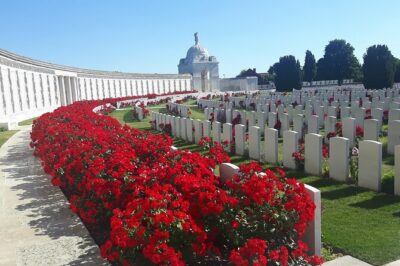
- Tyne Cot Cemetery visit, including time at the largest British and Commonwealth war grave cemetery in the world
- Langemark Cemetery contrasts with a mass grave setting and its uncomfortable links to later ideology
- Essex Farm and John McCrae background, connecting the famous poem to the place that inspired it
- German Command Post, Hill 60, and mine craters that show how “fighting” included engineering and underground life
- Bayernwald trenches as the only preserved German trenches in the Ypres Salient, with entry included
Other Flanders Fields and Ypres Salient tours we have reviewed
- From IEPER Private 4-hour Tour of the Ypres Battlefield★ 5.0 · 154 reviews
- In Flanders Fields and Passchendaele Half Day Morning Tour★ 5.0 · 117 reviews
- Ypres: An exploration of the deadly salient battlefields★ 5.0 · 76 reviews
- From Brussels: Flanders Fields Remembrance Full-Day Trip★ 4.4 · 65 reviews
The Ypres meeting point and the pace you should expect
You start at Station Ieper, at Colaertplein 35, in Ypres, with a 10:00 am start time. The day runs about 7 to 8 hours, and you are back at the meeting point after the final site. This is not a sit-and-watch style tour. It is a steady sequence of stops, with short windows to take it all in and move on to the next key location.
That pacing is both a strength and the main thing to watch. You will cover a lot, including cemeteries, museums, command sites, and trench remains. If you need lots of quiet time per location, plan to bring extra patience, because the schedule is designed to fit many major places into one day.
Sanctuary Wood Museum and the Christmas Truce memorial
Your first stop is Sanctuary Wood Museum, with about 40 minutes on site. Expect preserved British trench systems and a strong collection of artifacts that help you understand what the battlefield looked like when it was still active. This is the kind of place where your brain starts to connect “history” to real objects, gear, and the kind of details that turn the war into something you can almost hear.
One practical note: the stop description indicates admission ticket not included, while the tour highlights say museum admission is included. You will want to confirm at booking so you are not surprised on the day. Either way, the time here is well used, because this is where you get your visual footing for the rest of the Ypres Salient.
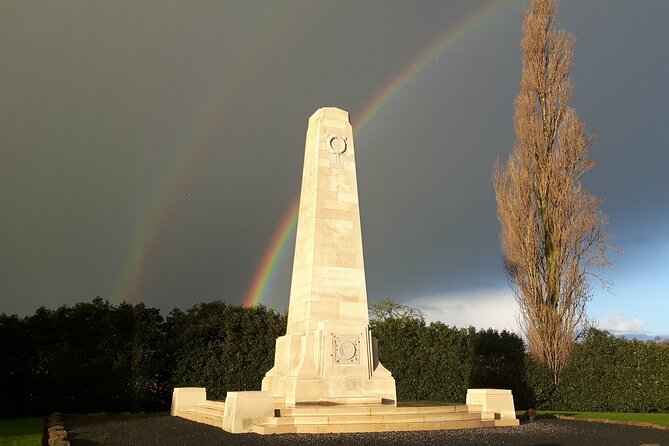
This stop also ties into the Christmas Truce memorial element mentioned for the tour. That is a contrast you might not expect in a WW1-focused day, and it is there for a reason. It helps you remember that the war was not only trenches and death, it was also human moments that cut through the propaganda.
Passchendaele countryside drive and why the drive matters
Between major sites, you are traveling through the wider battlefield region, including the Passchendaele area. The drive is not filler. It is part of learning how the fighting spread across farm country and low ground, where the trenches and cemeteries are positioned within the larger terrain of the Ypres Salient.
If you have limited time in Belgium, this is one of the biggest time-savers. Doing it alone would mean juggling directions and separate tickets across multiple locations. Here, the route is built so you move logically from British and Commonwealth sites to German positions and underground warfare locations.
Tyne Cot Cemetery, the biggest names in one place
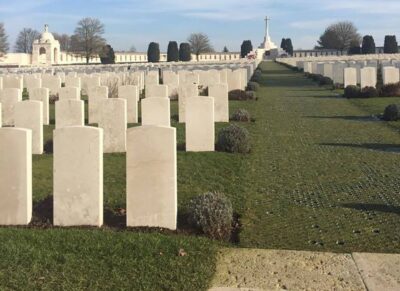
Tyne Cot Cemetery is next, with about 20 minutes there. It is described as the largest British and Commonwealth war grave cemetery in the world, and that scale is exactly what hits you first. When a cemetery is that large, it stops being “a place” and starts to become a record of entire units and families across time.
What I like about this stop for first-time WW1 visitors is that it anchors the day. After Sanctuary Wood’s artifacts and trench remains, Tyne Cot gives you the visible end of the story. It is also free entry on this tour, which is a nice bonus if you are budgeting.
Short time is the tradeoff. Twenty minutes goes quickly, especially if you want to read names. Still, with a guide like Roger, you can often get just enough context to make the space feel personal without turning the day into a sprint of memory.

Langemark Cemetery: a hard visit with context
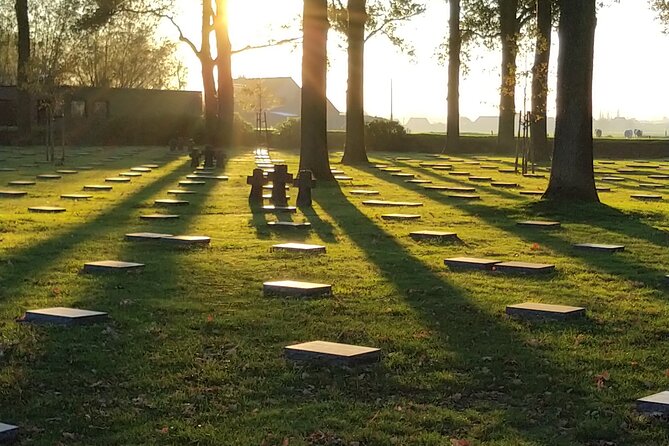
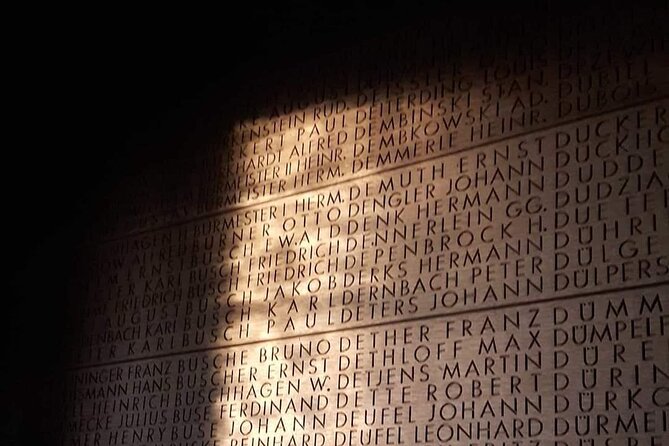
Langemark Cemetery is about 40 minutes. You will visit the German cemetery with its mass grave, and the tour frames it as fascinating but complicated because of links to the Nazis. That framing matters, because without context, this site can turn into a simple photo stop, and it is not that.
I find this kind of stop important because the Ypres Salient story is not one-sided. Even when you are focused on Allied suffering, you still need to understand the full landscape of how nations memorialized their dead, and how later ideology tried to use those symbols. The cemetery is free on the tour, so you also get more time value without extra ticket costs.
Give yourself the full 40 minutes here if you can. If you rush it, you will miss the reason it is on the route: it forces you to face how history gets reused.
Essex Farm Cemetery and Lt Col John McCrae’s story
Essex Farm Cemetery is another 40-minute stop. Here, you see preserved dressing station bunkers and a memorial tied to Lt Col John McCrae, including the story behind In Flanders Fields. This is one of those stops where the tour stops being just factual and starts to explain why the battlefield influenced language and remembrance.
The bunkers are the practical win. They help you picture the system behind the scenes: people who weren’t in the front line, still doing crucial work under pressure. You can usually feel the mood shift too, because the memorial element makes the place connect with a poem most people have heard before, but rarely link to a real location.
This stop is free on the tour, which makes it a strong value moment. And because the guide handles heavy subject matter with both care and humor, you are less likely to feel like you are being hit with facts only. You get story, then space to process.
German Command Post, Hill 60, and the underground war story

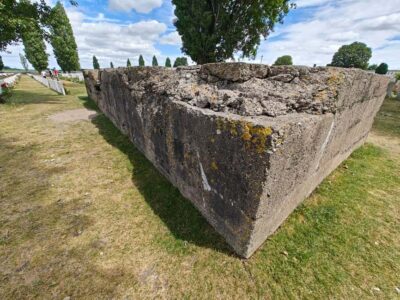
The day then turns more technical and more eerie. The German Command Post is about 15 minutes and is described as the largest preserved German command bunker in the Ypres Salient. In a short time, you get a sense of scale and purpose: these were not random holes, they were organized spaces built for decision-making while shells kept falling.
From there, you move into the underground war with two related stops. The Caterpillar Mine Crater, also referenced as Hill 60 B, takes about 30 minutes. The tour connects it to the story of the Messines Ridge battle and what it meant to fight underground at that site. Then Hill 60 itself is another 30 minutes, with preserved battlefield features, bunkers, and mine craters, plus the story of the terrible fighting there.
What you will likely notice is how different this feels from cemeteries. Cemeteries are about aftermath and remembrance. These craters and preserved works are about the mechanics of battle, including planning, engineering, and the way underground spaces became both shelter and weapon. It is heavy, but it is also deeply instructive, because it explains WW1 as a system, not just a series of tragedies.
One thing to watch: these stops are shorter than the museums or cemeteries, but they can still be mentally demanding. Bring a notepad habit if you like, even if it is just jotting down names like Hill 60, because the themes connect across multiple sites.
Bayernwald trenches: a preserved German view that you can’t skip
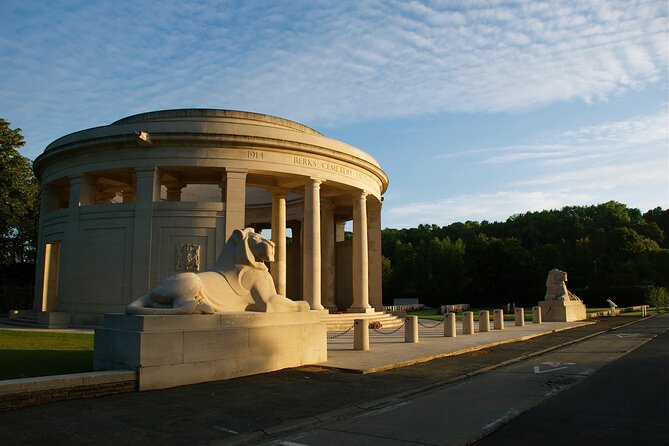
Bayernwald is about 45 minutes and is a strong capstone. It is described as the only preserved German trenches in the Ypres Salient, and admission is included for this stop. If you are thinking, I want to see trenches from the German perspective too, this is the moment.
This is also where a small-group format helps. With only up to 8 people, you are not just following a crowd through walls and openings. You can slow down to understand where soldiers would have moved and how trenches shaped daily life. You can also ask questions without waiting for a gap in the group.
It is a good place for reflection because the preserved layout lets you imagine the spaces more clearly. By the time you reach Bayernwald, you have seen enough cemeteries and memorials to understand what it cost. That contrast is why this final stop often feels especially meaningful.
Price, lunch, and whether $344 feels fair
The price is $344 for the Ypres-based grand tour, running roughly 7 to 8 hours. At first glance, that might feel like a lot for a day that includes mostly outdoor sites. Here is why it can still be good value.
You are paying for several things at once: transportation between multiple locations, a guide who can connect the sites, and group size control with a maximum of 8 people. You also get bottled water plus a light sandwich lunch and a soft drink included. No alcoholic drinks are included, so you get fuel and hydration without turning the day into a party.
Admission details are something to double-check for your peace of mind. The tour highlights say Sanctuary Wood Museum admission is included, while the stop details list admission ticket not included for that specific stop. Bayernwald is clearly listed as included. I would simply confirm in advance which tickets are covered, so you can plan without guesswork.
Overall, if you are short on time in Belgium and want one guided day that covers major Allied and German sites plus preserved trench remains, this is priced like a focused specialist tour, not a generic bus loop.
Getting the most out of it: practical tips for a heavy day
Because the subject matter is serious, I recommend packing for comfort more than style. Wear sturdy shoes, and expect you will spend time standing, walking uneven ground, and moving between outdoor points. Layers help too, since the region’s weather can shift fast.
Bring a little mental structure. I like to think of the day in categories: artifacts and trenches early, cemeteries as the human record, bunkers and command as the war system, and trench remains again at the end. If you do that, you will leave with clearer understanding instead of a blur of names.
Also, take advantage of the guide time. Roger is singled out in the experience notes as an excellent guide, with great knowledge, humor, and the ability to answer questions. One detail I find especially useful: he has written two books on the subject. Even if you are not a book person, it usually means you get sharper connections and fewer generic explanations.
Who should book this tour
This works best if you want a guided, structured WW1 day around Ypres. If you are visiting Belgium for a short trip, or you specifically want the Ypres Salient story with a Passchendaele connection, you will appreciate how efficiently the day is put together.
It is also a great fit for people who like asking questions and learning through context rather than reading signs only. The small-group size helps with that. If you prefer a quiet, self-paced museum day with no driving between sites, you might find the packed schedule a bit intense.
Should you book the In Flanders Fields and Passchendaele Grand Tour?
If your goal is to understand the Ypres Salient beyond the basics, I think you should book it. The combination of Sanctuary Wood’s preserved trench focus, Tyne Cot’s enormous scale, Langemark’s complicated memorial context, and the German trench and command sites gives you a fuller picture than most one-day options.
Just go in prepared for a day that mixes grief with learning. If you want something light, skip this. If you want thoughtful guidance and a route that helps the whole war make sense, this is a strong choice, especially with a guide like Roger and a group capped at 8.
FAQ
How long is the tour?
The experience runs about 7 to 8 hours.
Where does the tour start and end?
It starts at Station Ieper, Colaertplein 35, 8900 Ieper, Belgium, and it ends back at the same meeting point.
What time does it begin?
Start time is 10:00 am.
How big is the group?
The tour has a maximum of 8 travelers.
Is the ticket mobile?
Yes, you get a mobile ticket.
What is included in the price?
Bottled water and a light sandwich lunch with a soft drink are included. Admission is listed as included for Bayernwald, and Sanctuary Wood Museum is included in the tour highlights, though you should confirm details for that specific stop.
Are alcoholic beverages included?
No, alcohol is not included.
What is the cancellation policy?
You can cancel for a full refund up to 24 hours before the experience starts, and free cancellation is offered. If you cancel less than 24 hours before, the amount paid is not refunded.
More Belgian Tours
Every Belgium Review
Flanders Fields and the Ypres Salient
Newer Belgium reviews from the same corner of the country
- Discover Tournai while playing! Escape game – The alchemist
★ 4.0 · 3 reviews - From LIlle or Bruges, Christmas Truce to Passchendaele Ypres 1 day WW1 private
★ 5.0 · 5 reviews - From Ypres 4hr Christmas Truce and Monster Mines of Messines PRIVATE Tour
★ 5.0 · 5 reviews - e-Scavenger hunt Ypres: Explore the city at your own pace
★ 4.5 · 6 reviews - Full Day Canadian WW1 Vimy and Somme Battlefield Tour from Ypres
★ 5.0 · 6 reviews
Flanders Fields & WWI Battlefield Tours, side by side.
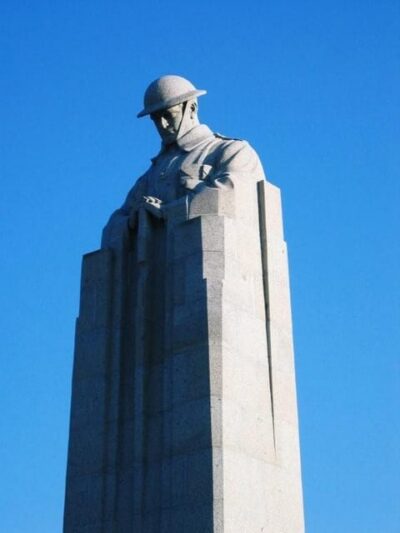 ★ 4.9From Bruges: Great War Flanders Fields Minibus Tour w/ LunchFrom $1301,257 reviews
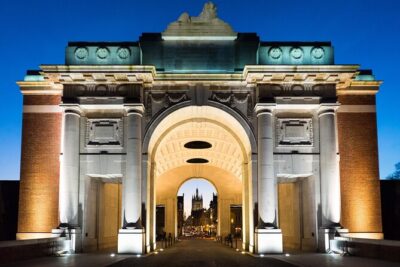 ★ 4.5Flanders Fields Remembrance Tour from BrusselsFrom $113334 reviews
 ★ 4.5Flanders Fields Remembrance Tour from BrugesFrom $95207 reviews
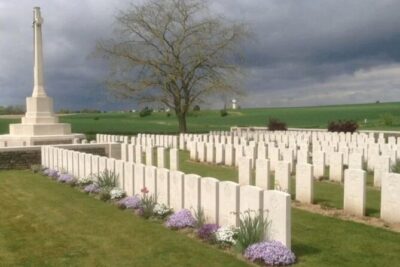 ★ 5.0From IEPER Private 4-hour Tour of the Ypres BattlefieldFrom $399154 reviews
 ★ 5.0In Flanders Fields and Passchendaele Half Day Morning TourFrom $108117 reviews
 ★ 5.0Ypres: An exploration of the deadly salient battlefieldsFrom $8876 reviews
 ★ 4.4From Brussels: Flanders Fields Remembrance Full-Day TripFrom $10765 reviews
 ★ 4.8From Bruges: Flanders Fields Remembrance Full-Day TripFrom $9165 reviews
Browse the lists this tour appears in