
REVIEW · FLANDERS FIELDS & WWI BATTLEFIELD
From Ypres, The Christmas Truce to Passchendaele Ypres Based WW1 private tour
Eight hours in the Ypres Salient tells a story. This private WW1 route links famous moments like the Christmas Truce site to the heavy reality of Passchendaele, with a guide who can tailor details to your interests. I love the included hotel pickup and free bottled water that make a long day feel manageable. The only real downside to factor in is that lunch is not included, so you will want a plan before you head out at 9:00am.
This is a private, fully customizable experience in English, designed for you and your party only. One practical note: pickup is Ieper based, and the tour requires a minimum of two people, so it is best for couples and small groups. If you like WW1 sites with context, not just drive-by photos, this tour style fits well.
In This Review
- Key highlights to look for
- Why this Ypres-to-Passchendaele route makes sense
- The guide factor: Soren’s storytelling and customization
- Stop 1: Messines Ridge, mines, the Christmas Truce, and the crypt
- Stops 2-4: Hooge Crater Cemetery, the Menin Road gun pits, and the Australian HQ site
- Stop 4-5: Polygon Wood bunkers and the Australian 5th Division monument
- Stop 5-6: Hill 60 and Broodseinde, where engineering hit the clock
- Stop 7: Tyne Cot Cemetery, scale, names, and VC connections
- Stop 8-9: John McCrae’s site and Menin Gate’s missing names
- Stops 10-11: Zonnebeke and Sanctuary Wood Museum, original trenches you can look at
- Price and logistics: what $420.49 buys you
- Who this tour is best for (and who should adjust expectations)
- Should you book this Ypres WWI private tour?
- FAQ
- What is the duration of the Ypres WWI private tour?
- What is included in the price?
- Does the tour include hotel pickup?
- Is this a private tour?
- Is the tour offered in English?
- Can I get a full refund if I need to cancel?
Key highlights to look for
- A tightly connected route from Messines Ridge through the Passchendaele area and on to Menin Gate and Tyne Cot
- A guide who personalizes the day, including connections to family names when you share them
- Real-world comfort, with hotel pickup (select hotels) and free bottled water
- Short, focused stops at major memorials and cemeteries, so you do not waste time guessing what you are seeing
- Trenches and bunkers you can interpret, especially around Polygon Wood, Hill 60, and Sanctuary Wood Museum
Other Flanders Fields and Ypres Salient tours we have reviewed
- From IEPER Private 4-hour Tour of the Ypres Battlefield★ 5.0 · 154 reviews
- In Flanders Fields and Passchendaele Half Day Morning Tour★ 5.0 · 117 reviews
- Ypres: An exploration of the deadly salient battlefields★ 5.0 · 76 reviews
- From Brussels: Flanders Fields Remembrance Full-Day Trip★ 4.4 · 65 reviews
Why this Ypres-to-Passchendaele route makes sense
Driving the Ypres Salient on your own is doable, but you will feel the difference when you stop with a guide. This day is built as a chain of places that connect cause and effect. You start at Messines Ridge, then move through key Australian-linked positions and battle areas, and you finish with memorial sites that focus on absence, names, and memory.
What I like about this pacing is that it does not treat each cemetery or memorial like a standalone stop. It keeps asking the same practical question: what was happening here, and why does the ground matter? Some sites are quick visits, but they are not random. You get a way to read the area, even after the facts and dates start blending.
Also, the time structure supports the emotional weight. You are not stuck in one place for hours. Instead, you get a steady rhythm: walk a bit, view a site, hear what makes it significant, then travel to the next point.
The guide factor: Soren’s storytelling and customization
The tour is led by Soren, and the most consistent theme in the experiences shared is how he links each stop to the people and geography behind it. If you want simple orientation, he can shape the day that way. If you want depth, he has plenty to work with.
One of the most useful parts is personalization. In past tours, he has connected battlefield locations to family members when people brought names. He also shared follow-up links after the visit, including books, movies, and podcasts, based on topics raised during the day. That is the kind of extra effort that helps you turn a one-day visit into something that sticks.
He also communicates in English throughout, and in one set of experiences he has mentioned long local ties to Ieper. That matters because these sites can be confusing without a sense of local context. Menin Road, ridge lines, crater fields, and memorial placements all look similar until someone helps you “see” the battlefield pattern in your mind.
Practical note: because it is private and customizable, you are not stuck with a fixed script. You can ask questions and shape emphasis, and that is part of the value you are paying for.
Stop 1: Messines Ridge, mines, the Christmas Truce, and the crypt
Messines Ridge is a strong starting point because it combines battlefield tactics with moments that feel historically haunting in a different way. Here, you hear the story of the Battle of Messines, then you move through the mine crater areas.
From there, you visit the scene connected to the Christmas Truce. It is a moment that many people know in general terms, but the site visit tends to give it a sharper, more grounded meaning. You also visit the crypt where Adolf Hitler was treated for wounds, which adds another layer to the day’s theme of how the war’s history intersects with individual paths.
This stop runs about two hours, so you get time for more than a quick glance. The drawback to keep in mind is that it is packed: craters, battle story, the Christmas Truce site, and a crypt stop all within one segment. If you prefer only one or two topics per stop, tell your guide up front so pacing can match your comfort level.
Stops 2-4: Hooge Crater Cemetery, the Menin Road gun pits, and the Australian HQ site
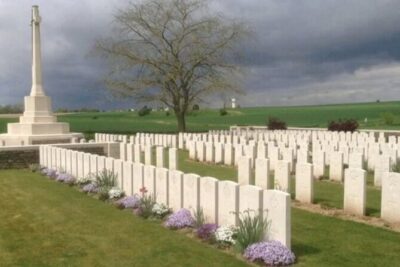
After Messines Ridge, the tour shifts to specific places tied to individual stories. At Hooge Crater Cemetery, you learn about Pat Bugden VC, described as a 20-year-old recipient of the Victoria Cross. You also stand on the Menin Road area, directly alongside where Australian gun pits were positioned for the Passchendaele assault.
Even the short time budget here works, because the guide’s job is to point you to what is easy to miss. Cemeteries can feel like “rows and stones” until you have someone help you locate the human details, the unit connections, and the tactical purpose of the ground.
Next is The Black Watch site, associated with Australian HQ in September 1917. You also hear about earlier actions on the same ground in November 1914. That layering is a big part of why guided visits matter. The battlefield is not a single snapshot, it is a repeated use of the same terrain as fronts shifted.
These middle stops are brief, especially Hooge (about 15 minutes) and Polygon Wood segments later. That can feel fast if you are hoping to linger for personal reflection. But it also keeps the day moving so you do not lose the overall story arc.
The same ground, just your own group
Stop 4-5: Polygon Wood bunkers and the Australian 5th Division monument
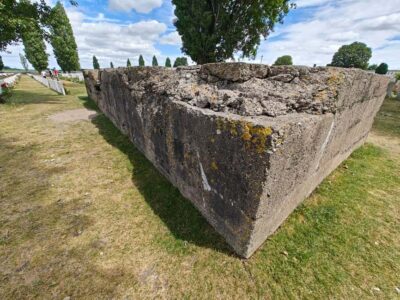
Polygon Wood gives you something different from memorial stones and named lists. You walk through the woods and visit concrete bunkers that were there when Australian soldiers captured the position.
This is the kind of stop where a guide changes your entire experience. Without context, you might see tree cover, concrete remnants, and a cemetery and assume it is just “the same sort of battlefield site.” With the story, you start understanding how soldiers used cover, how the terrain shaped movement, and why certain points mattered during the battle.
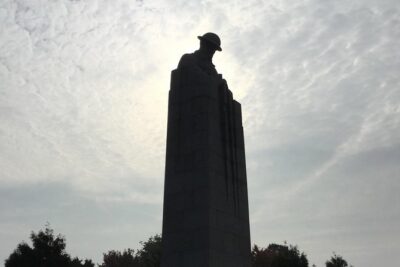
You also visit the cemetery and the Australian 5th Division monument here. That combination is important: the walk helps you understand the fighting conditions, and the monuments anchor that understanding in units and command structures.
Time is about 30 minutes for this stop. If you want more walking time, ask. In a private tour format, that kind of request can often be easier to accommodate than on a fixed group bus.
Stop 5-6: Hill 60 and Broodseinde, where engineering hit the clock
Hill 60 is where the war’s industrial side becomes visible. You hear the story of Captain Woodward and the 1st Australian Tunnelling Coy, then you see the crater created when a massive mine was blown at 3:10am on 7 June 1917.
That exact timing helps you picture the shockwave moment in a way that general descriptions never quite do. You are not just hearing a date, you are learning about a specific action, at a specific time, that changed what soldiers on the ground could do next.
After Hill 60, the tour drives through Broodseinde, following the line of the Australian advance. Driving segments can be less satisfying if you want frequent stops, but they also help keep the day coherent. You get to connect the dots of movement rather than treating every location like a separate island.
In other words, you trade a bit of walking for understanding. For many people, that is a good deal.
Stop 7: Tyne Cot Cemetery, scale, names, and VC connections
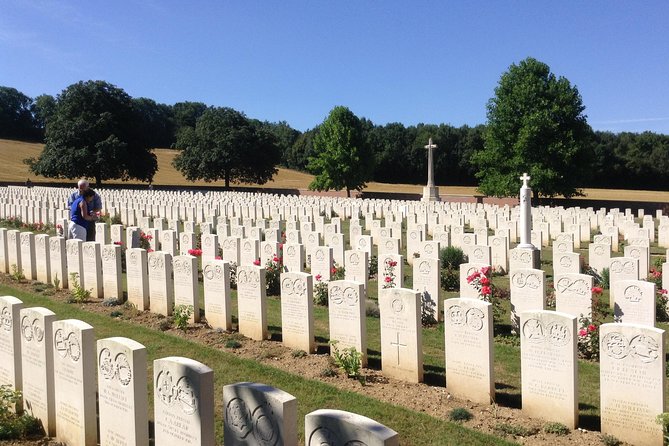
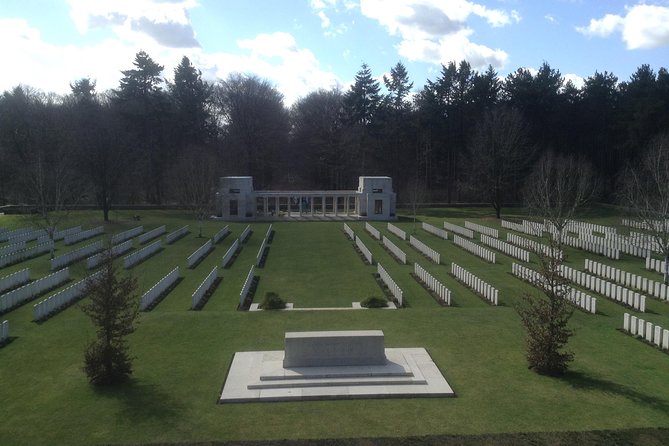
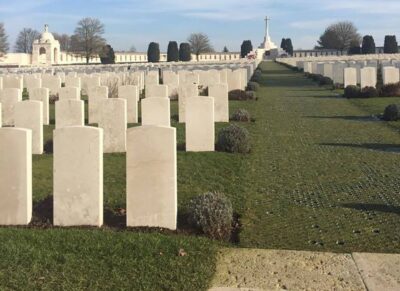
Tyne Cot is one of the emotional anchors of the tour. You visit the world’s largest Commonwealth War Graves Commission cemetery. The figures shared on site matter: about 12,000 soldiers are buried here, with only around 3,000 identified by name. You also learn that two Australian VC recipients are buried there.
That mix of scale and missing names is one of the hardest things to absorb. The guide’s role is to keep it from becoming numbing. He helps you understand what the numbers mean in practical terms, and how cemeteries like this shaped postwar memory.
The stop time is about 45 minutes, which is usually long enough to read some markers, hear the unit details, and take a moment. If you get overwhelmed, the extra time can be comforting because you are not rushed to the next stop five minutes later.
If you are traveling with someone who prefers lighter pacing, this can still work, but you might want to ask for a brief pause and adjust the order of how long you linger on the densest sections.
Stop 8-9: John McCrae’s site and Menin Gate’s missing names
John McCrae’s site is focused, about 30 minutes. You see the hospital site where Lt Col John McCrae composed In Flanders Fields. Even if you think you already know the poem, the location-based context helps you feel the difference between words on a page and what they grew out of.
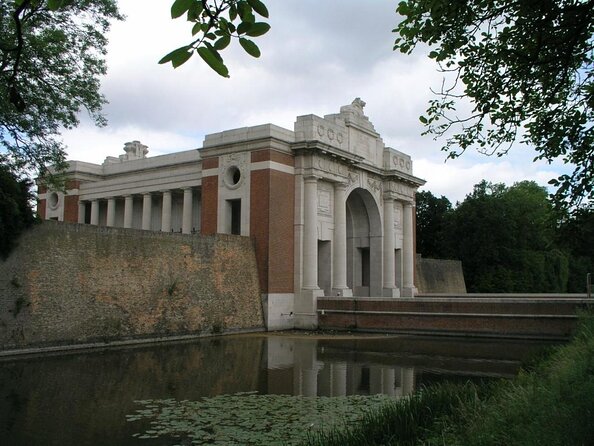
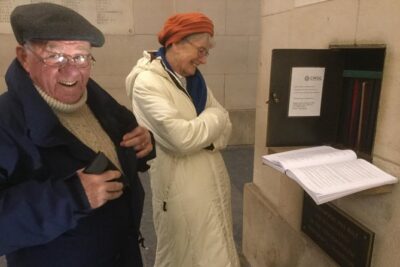
Then you move to Menin Gate Memorial, around 20 minutes. Here the guide explains how the memorial came about and shares stories connected to the names. The scale is stark: 55,000 names are listed for the missing.
This stop can feel “fast” on the clock, but it works because you do not need hours to learn the meaning of what you are seeing. The value is in interpretation, not length. If you want longer quiet time, you can ask at this point since the tour is private.
Also, there is something practical to remember: memorials like Menin Gate are often busier at certain times. If you have flexibility, aim to keep your expectations for crowds low and let the guide handle what to focus on first.
Stops 10-11: Zonnebeke and Sanctuary Wood Museum, original trenches you can look at
Zonnebeke is a driving stop in line with the Australian advance. It is a useful bridge rather than a “must walk” location. The idea is to keep the operational picture in view as you approach the final stop.
Sanctuary Wood Museum is where the day gets hands-on again. You see poignant original WW1 trenches and a quaint WW1 museum. Time is about 40 minutes, and importantly, the trench museum admission ticket is included.
This last stop can be a great way to leave with more than sadness and facts. Seeing the trench spaces and museum material side-by-side helps you connect what you heard earlier, especially around bunkers and mine craters. It also gives you physical reference points for later reading.
One consideration: the experience is heavy. If you need a mental reset, use this museum section as your decompression moment. It is still WW1, but it is structured for understanding, not just commemoration.
Price and logistics: what $420.49 buys you
At $420.49 per person for an 8-hour private tour, you are paying for more than transportation. You are buying a guide who connects multiple sites into a single narrative and adapts based on your group’s interests.
That private, customizable element is where the value often shows. Instead of ticking off “famous places,” you can ask questions and get targeted explanations. You also get included touches that reduce friction: free bottled water, select hotel pickup, and an experience that starts at 9:00am with a mobile ticket.
Admissions are also handled in a straightforward way. The itinerary lists admission tickets as free for the major stops, and it specifies that the Sanctuary Wood Museum ticket is included. Lunch is not included, so the only obvious budgeting gap is where to eat near the end of the day.
Logistics-wise, pickup is Ieper based only, and the minimum group size is two people. If you are a solo traveler, you might need to arrange another person to meet the minimum. If you want a start in Lille, Arras, or Bruges, you would need a different listing.
Who this tour is best for (and who should adjust expectations)
This tour is a strong fit for people who want context and are ready for an emotional day. It is especially good if you have any family connection to the war region, because Soren has been able to tailor stops to family names and follow up later with links tied to what you discuss.
It also suits people who want a clear geography lesson. You will be taught to read the terrain in a practical way, not just memorize dates. The route ties together Messines Ridge, crater and cemetery locations, Australian positions, and memorial sites, which makes your visit feel coherent.
If your group needs lots of downtime, this may be less ideal. Most stops are 15 to 45 minutes, so you are always moving. It is not a slow “sit and watch” experience. On the flip side, if you like steady momentum and you want to see a lot without decision fatigue, the tight schedule is a plus.
Should you book this Ypres WWI private tour?
Book it if you want WW1 sites with meaning, not just a drive from one famous name to the next. The included pickup, free bottled water, and the guide-led interpretation are exactly what makes the day work, especially for first-time visits to the Ypres Salient.
I would say it is a good bet if you:
- want a private day that you can steer toward your interests
- like Australian-linked WW1 context and want it explained clearly at each stop
- are okay with an 8-hour commitment and planning for lunch
Skip it or adjust expectations if:
- your group needs long silent time at each memorial, because some stops are intentionally short
- you do not have the minimum two people needed for the tour to run
- you prefer lunch included in the price
If you book, do one simple thing that pays off: share any family names or specific interests ahead of time, and be ready with questions. That is when a day like this turns from an informative tour into a personal experience you carry home.
FAQ
What is the duration of the Ypres WWI private tour?
The tour runs for about 8 hours.
What is included in the price?
The price includes free bottled water and the trench museum (Sanctuary Wood Museum). Lunch is not included.
Does the tour include hotel pickup?
Pickup is offered from select hotels, and pickup is Ieper based only.
Is this a private tour?
Yes. It is a private tour/activity, and only your group participates.
Is the tour offered in English?
Yes, it is offered in English.
Can I get a full refund if I need to cancel?
You can cancel for a full refund if you cancel up to 24 hours in advance of the experience start time. If you cancel less than 24 hours before, the amount paid is not refunded.
More Belgian Tours
Every Belgium Review
Flanders Fields and the Ypres Salient
Newer Belgium reviews from the same corner of the country
- Discover Tournai while playing! Escape game – The alchemist
★ 4.0 · 3 reviews - PRIVATE Australian Western Front Battlefields 3-Day Tour Ypres to Amiens
★ 5.0 · 3 reviews - From LIlle or Bruges, Christmas Truce to Passchendaele Ypres 1 day WW1 private
★ 5.0 · 5 reviews - From Ypres 4hr Christmas Truce and Monster Mines of Messines PRIVATE Tour
★ 5.0 · 5 reviews - e-Scavenger hunt Ypres: Explore the city at your own pace
★ 4.5 · 6 reviews
Flanders Fields & WWI Battlefield Tours, side by side.
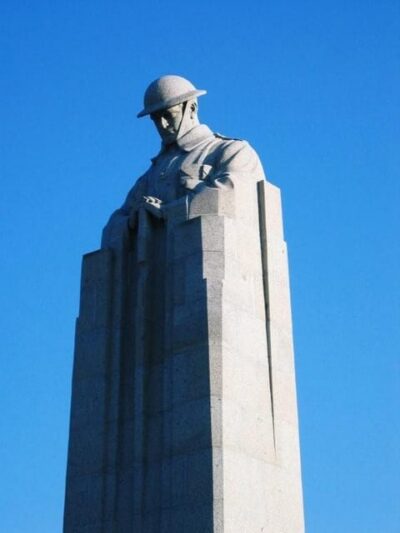 ★ 4.9From Bruges: Great War Flanders Fields Minibus Tour w/ LunchFrom $1301,257 reviews
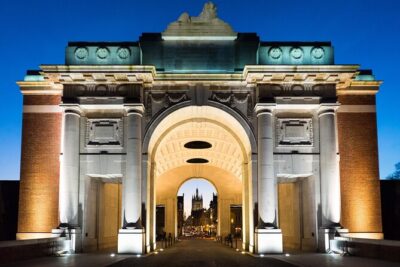 ★ 4.5Flanders Fields Remembrance Tour from BrusselsFrom $113334 reviews
 ★ 4.5Flanders Fields Remembrance Tour from BrugesFrom $95207 reviews
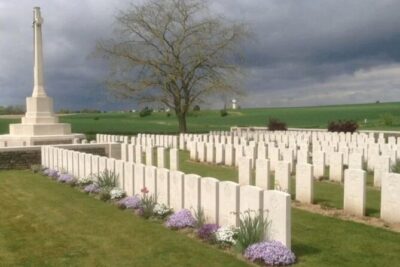 ★ 5.0From IEPER Private 4-hour Tour of the Ypres BattlefieldFrom $399154 reviews
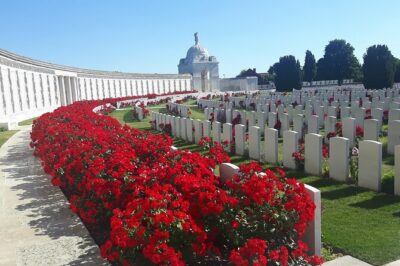 ★ 5.0In Flanders Fields and Passchendaele Half Day Morning TourFrom $108117 reviews
 ★ 5.0Ypres: An exploration of the deadly salient battlefieldsFrom $8876 reviews
 ★ 4.8From Bruges: Flanders Fields Remembrance Full-Day TripFrom $9165 reviews
 ★ 4.4From Brussels: Flanders Fields Remembrance Full-Day TripFrom $10765 reviews
Browse the lists this tour appears in