
REVIEW · BRUGES
From LIlle or Bruges, Christmas Truce to Passchendaele Ypres 1 day WW1 private
Trenches and poems, all in one day. This private WW1 route through the Ypres Salient turns famous names like Messines and Passchendaele into real places you can stand in, with a guide who keeps the tone respectful and clear. I especially liked having Soren as the guide, because he explains the why behind each site and answers questions without rushing you.
I also like that the day connects the big memorial moments with the smaller, specific stories, including VC hero details and Australian actions in 1917. One thing to consider: lunch isn’t included, and the stops move on a tight schedule, so plan on grabbing something before you’re picked up or bringing snacks.
In This Review
- Key Points You’ll Care About
- A Private Ypres WW1 Day That Follows the Front Line
- Messines Ridge: Mine Craters, Christmas Truce, and the Crypt Link
- Hooge Crater Cemetery and Menin Road’s Australian Connections
- Australian HQ Ground and the Shift From 1914 to 1917
- Polygon Wood: Concrete Bunkers, Woods-That-Still-Watch-You, and the 5th Division Mark
- Hill 60: Captain Woodward, the Tunnelling Company, and a 3.10am Crater
- Tyne Cot Cemetery, John McCrae’s Poem Site, and Menin Gate’s 55,000 Names
- Sanctuary Wood Museum: Original Trenches You Can See, Not Just Read
- Price and Logistics: Is $532.32 Per Person Worth It?
- Who Should Book This Ypres WW1 Private Tour
- Practical Tips for a Comfortable, Respectful Day
- Should You Book This Private Passchendaele-Linked Ypres Tour?
- FAQ
- How long is the Ypres WW1 private tour?
- What pickup areas are offered for this tour?
- Is the tour private and do you get a guide in English?
- What is included and what is not included?
- Which major sites are visited during the day?
- Are tickets required for the sites you visit?
Key Points You’ll Care About
- Private guiding with Soren means you can ask questions and steer the day toward your interests
- Messines Ridge includes mine craters, the Christmas Truce area, and a wartime crypt tied to Adolf Hitler’s treatment
- Hooge Crater Cemetery and Menin Road give you a strong sense of how the Passchendaele assault ground worked
- Hill 60 is built around the Captain Woodward story and a crater from a mine blown at 3.10am on 7 June 1917
- Tyne Cot plus John McCrae and Menin Gate layers cemetery, poem site, and the 55,000-name memorial wall
- Sanctuary Wood Museum is the one site where the original trench setting is the main event, and entry is included
Still weighing it up? Here is what else we have reviewed around Belgium.
- From IEPER Private 4-hour Tour of the Ypres Battlefield★ 5.0 · 154 reviews
- In Flanders Fields and Passchendaele Half Day Morning Tour★ 5.0 · 117 reviews
- Ypres: An exploration of the deadly salient battlefields★ 5.0 · 76 reviews
- From Brussels: Flanders Fields Remembrance Full-Day Trip★ 4.4 · 65 reviews
A Private Ypres WW1 Day That Follows the Front Line
This is a 9-hour private WW1 experience centered on Ypres and the wider Passchendaele region. You get hotel pickup and drop-off from Ghent, Bruges, Lille, and other nearby bases within a 66 km radius of Ypres, with a start time of 9:00 am. It’s in English, and you’ll receive a mobile ticket.
The biggest value of a private setup is not comfort alone. It’s context. With one guide, you get the timeline and geography tied together so you are not just hopping between memorials and trying to connect the dots in your head.
Messines Ridge: Mine Craters, Christmas Truce, and the Crypt Link
Messines Ridge is where the day starts feeling intensely specific. You’ll hear the story of the Battle of Messines, then move through the mine craters tied to the fighting. This is the kind of stop where pictures don’t really help until you’re physically looking at the terrain and the scars that shaped the battle.
What makes this segment especially memorable is the mix of war details with the human side of conflict. You’ll also visit the scene of the Christmas Truce, so you can see how those rare moments of shared humanity fit into the larger machinery of war. And then comes a striking, unusual stop: the crypt where Adolf Hitler was treated for his wounds.
Two hours here gives you enough time to take it in. If you tend to read every sign slowly, this is a good starting block because the guide can pace your questions without making it feel like a speed-run.
Hooge Crater Cemetery and Menin Road’s Australian Connections
Next comes Hooge Crater Cemetery, a short but powerful visit. You’ll learn about Pat Bugden VC, noted here as the 20-year-old recipient, and you’ll spend time in a place where the names and sacrifices are the focus.
From there you head toward the Menin Road area, standing alongside where Australian gun pits were positioned for the assault on Passchendaele. Even in a brief stop, this works because you’re not just hearing big operational terms. You’re being pointed to the practical reality of how the assault ground sat in relation to the road network and the lines people attacked from.
At about 15 minutes, you won’t get endless lingering. Still, it’s a strong “pressure points” stop, the kind that helps you understand the next woods, monuments, and cemeteries you’ll see.
Australian HQ Ground and the Shift From 1914 to 1917
Between the cemetery and the woods, you’ll get a stop tied to Australian presence later in the war. You’ll stand where the Australian HQ was in September 1917, and you’ll also learn about earlier actions on the same ground in November 1914.
This is a smart inclusion because it breaks the common habit of treating World War I battlefields as though they happened once and then faded away. Here, you see how the same patches of land got fought over repeatedly, with the war’s meaning changing from year to year. If you’re the kind of person who likes to understand patterns instead of only events, this short stop gives you that.
Other Flanders Fields and Ypres Salient tours we have reviewed
Polygon Wood: Concrete Bunkers, Woods-That-Still-Watch-You, and the 5th Division Mark
Battle of Polygon Wood is one of the places where the landscape does some of the storytelling for you. You’ll walk through the woods and visit concrete bunkers that were in place when Australian forces captured the area. That walk matters because woods compress sound and distance, and the ground feels different once you’re actually inside the setting where soldiers had to move.
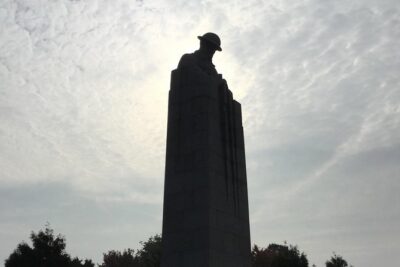
You’ll also visit the cemetery and the Australian 5th Division monument. This combination helps you connect the battle to commemoration without losing the thread. The cemetery puts faces and names to what happened, while the monument helps you anchor the action to a unit and a timeframe.
This segment is about 30 minutes. If you’re hoping for a long wander, you’ll want to plan for the fact that it’s guided and focused. Ask your guide questions early so you get what you need before the group moves on.
Hill 60: Captain Woodward, the Tunnelling Company, and a 3.10am Crater
Hill 60 turns the war from visible trenches into the war beneath your feet. You’ll hear the story of Captain Woodward and the 1st Australian Tunnelling Coy, then you’ll see the crater created by a mine blown at 3.10am on 7 June 1917.
This stop is one of the clearest examples of why a guide helps so much. The mechanics of tunnelling and timing can sound abstract until you are standing where the blast’s result is visible in the ground. It’s not just “a crater,” it’s a specific operation with a schedule and a purpose.
You’ll have about 45 minutes here, which is enough time to take a breath, look around, and let the scale sink in. If you’re not normally into military engineering, this is still worth your time because it gives you a different angle on how battles were prepared.
Tyne Cot Cemetery, John McCrae’s Poem Site, and Menin Gate’s 55,000 Names
The middle of the day shifts from battle mechanics and unit markers to memory at scale.
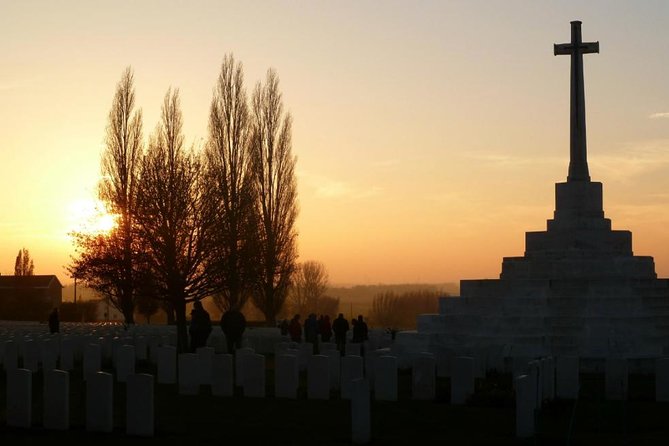
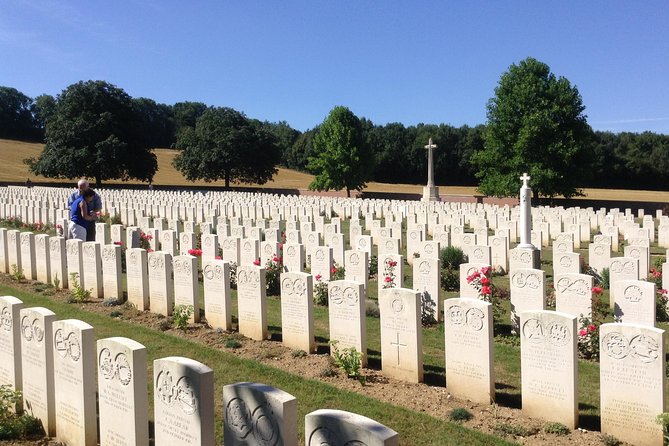
At Tyne Cot Cemetery, you’ll visit what’s described here as the world’s largest Commonwealth War Graves Commission cemetery, with around 12,000 soldiers buried there, and only about 3,000 with names. You’ll also find two Australian VC recipients buried here. This stop can feel heavy, but it’s also one of the most grounding places to understand the human cost behind strategic moves.
Then you’ll go to the John McCrae site, where Lt Col John McCrae composed the poem In Flanders Fields. It’s a short stop, about 30 minutes, but it lands well after Tyne Cot. The poem becomes more than a school text when you’ve just seen the scale of graves and the limits of identification.
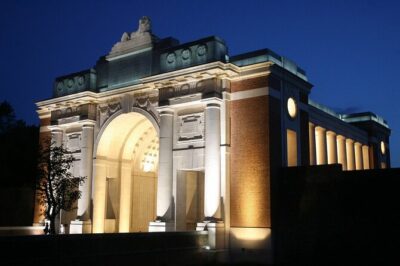
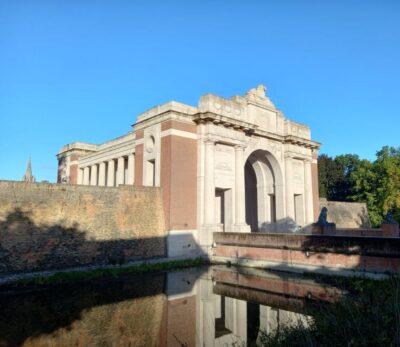
Next is Menin Gate Memorial, one of the most moving name walls in the region. You’ll hear how it came about and learn some of the stories behind the 55,000 names listed there as missing. You’ll have about 20 minutes, and even with that short window, it’s the kind of moment you’ll remember for years because you’re staring at the evidence of absence.
A small practical tip: if you want to linger for a bit after the main stop, ask your guide about timing. In this area, you sometimes get the chance to stay for local remembrance moments like the Last Post, if the schedule allows.
Sanctuary Wood Museum: Original Trenches You Can See, Not Just Read
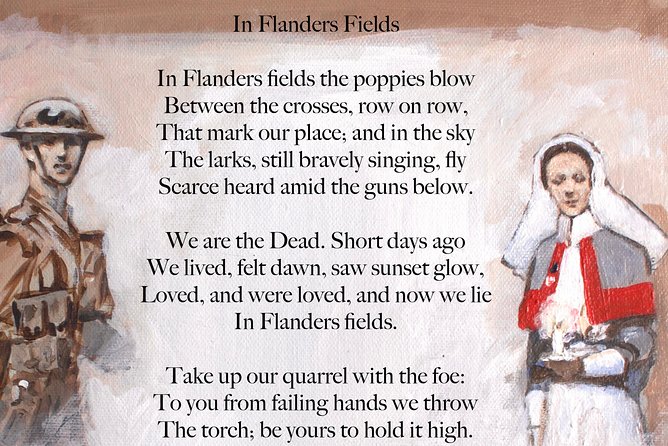
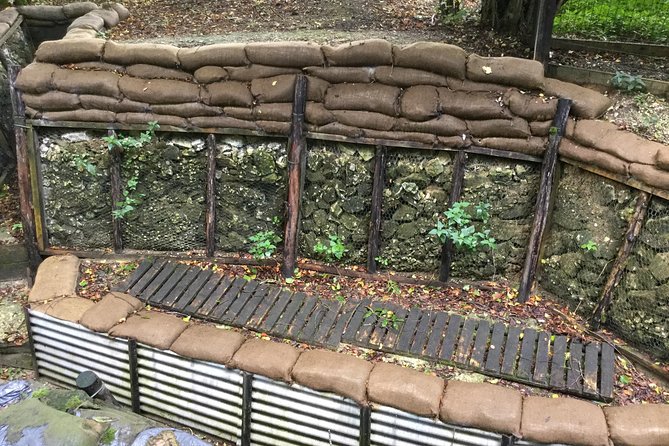
Finally, you’ll reach Sanctuary Wood Museum, with about 40 minutes on site and admission included. This is where the day’s theme shifts from “learning about” to “standing in.” You’ll see unique original First World War trenches, which makes the war feel more physical.
This museum stop works well near the end because you’ve already heard the battle stories, walked key areas, and visited cemeteries and memorials. By the time you’re in the trenches here, your brain has a framework for what you’re looking at: routes, cover, and the brutal logic of trench life.
If you’re short on stamina, this is also a good place to slow down. You can stand, read, and look without the pressure of constant walking.
Price and Logistics: Is $532.32 Per Person Worth It?
At $532.32 per person, this isn’t a budget day. But it is a private, full-day, guided service focused on specific WW1 sites, with pickup and drop-off from multiple starting points. For many people, that alone makes it worth it because the alternative is stressful driving, parking, and trying to interpret battlefield layouts without help.
The other value lever is how much you get from a single guide. When the day includes mine craters, VC stories, Australian unit markers, and major memorials like Tyne Cot and Menin Gate, the spacing between sites matters. A private guide helps you understand why each stop sits where it does.
Also note the admission situation: many of the stops are listed as free, while the Sanctuary Wood Museum entry is included. Bottled water is provided. Lunch is not, so factor in a lunch stop or snacks.
If you’re a WW1 buff, this price tends to feel easier to justify. If you’re new to the subject, you may still feel the value because you’re not doing guesswork. You’re getting a guided map made of stories and places.
Who Should Book This Ypres WW1 Private Tour
This fits you best if you want more than postcard-level sightseeing.
You’ll probably love it if you are:
- A WW1 history fan who likes when details connect to real ground
- Someone who wants a respectful, structured day focused on key sites rather than random stops
- Visiting the area for family history, since the tour can be tailored to interests linked to the region
- Traveling with a group that prefers privacy, since it’s explicitly private and only your group participates
The reviews also highlight that Soren’s approach includes clear explanations and room for questions. People also mention his humor, which matters on days like this. It helps you keep your footing emotionally, not just intellectually.
Practical Tips for a Comfortable, Respectful Day
Plan on being outside for a good chunk of time. The ground around memorials and trenches can be uneven, and the walk at Polygon Wood is not just a quick stroll.
Wear supportive shoes, bring a light layer, and drink water during the car segments. Bottled water is provided, but you’ll still want to pace yourself.
Since lunch isn’t included, don’t show up hungry. Either eat before pickup or bring simple snacks you can manage politely during the day. If you have dietary needs, plan ahead so you’re not stuck searching for a quick option between stops.
One more tip: bring a small notebook or saved notes on your phone. When you hit sites like Menin Gate with thousands of names, it helps to capture what stood out while it’s still fresh.
Should You Book This Private Passchendaele-Linked Ypres Tour?
I’d book this if you want a focused WW1 day with a private guide, especially if you care about the Australian footprint across the Passchendaele region. The combination of mine craters, cemetery visits, memorial walls, and the Sanctuary Wood trenches gives you a strong “whole picture” without turning the day into a blur.
Skip it only if you need lots of free time at each location, or if you strongly prefer self-guided wandering. Here, you’re trading flexibility for clarity, and for most people, that’s exactly the right trade.
FAQ
How long is the Ypres WW1 private tour?
The tour runs for about 9 hours.
What pickup areas are offered for this tour?
Hotel or B and B pickup is offered from within a 66 km radius of Ypres, including Ghent (Ghent Dampoort Station for Ghent pickup), Lille, and Arras.
Is the tour private and do you get a guide in English?
Yes. It’s a private tour where only your group participates, and it is offered in English.
What is included and what is not included?
Included items are bottled water and admission for Sanctuary Wood Museum. Lunch is not included.
Which major sites are visited during the day?
You’ll visit Messines Ridge (including mine craters and the Christmas Truce scene), Hooge Crater Cemetery, Polygon Wood, Hill 60, Tyne Cot Cemetery, the John McCrae site, Menin Gate Memorial, and Sanctuary Wood Museum.
Are tickets required for the sites you visit?
Many stops are listed as free admissions, and Sanctuary Wood Museum admission is included. You will also receive a mobile ticket.
Every Belgium Review
Flanders Fields and the Ypres Salient
Newer Belgium reviews from the same corner of the country
- Discover Tournai while playing! Escape game – The alchemist
★ 4.0 · 3 reviews - PRIVATE Australian Western Front Battlefields 3-Day Tour Ypres to Amiens
★ 5.0 · 3 reviews - From LIlle or Bruges, Christmas Truce to Passchendaele Ypres 1 day WW1 private
★ 5.0 · 5 reviews - From Ypres 4hr Christmas Truce and Monster Mines of Messines PRIVATE Tour
★ 5.0 · 5 reviews - e-Scavenger hunt Ypres: Explore the city at your own pace
★ 4.5 · 6 reviews
Bruges Tours, side by side.
 ★ 4.6From Brussels: Guided Day Trip to Bruges and GhentFrom $558,353 reviews
 ★ 4.7From Brussels: Bruges & Ghent Day Tour – 2 Fairytale CitiesFrom $578,242 reviews
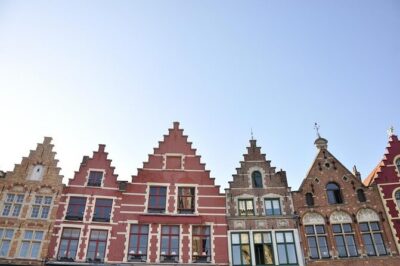 ★ 4.0Bruges and Ghent – Belgium’s Fairytale Cities – from BrusselsFrom $594,809 reviews
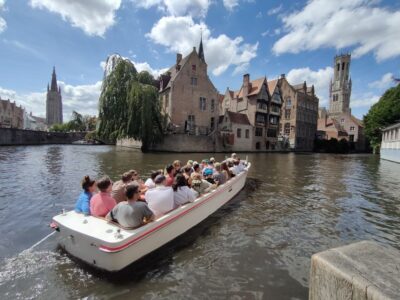 ★ 4.8Bruges: Small Group Boat Cruise and Guided Walking TourFrom $514,102 reviews
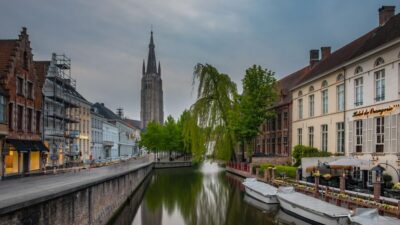 ★ 4.4Bruges: Walking Tour, Canal Boat Trip w/Beer Tasting OptionFrom $412,759 reviews
 ★ 5.0Historical Walking Tour: Legends of BrugesFrom $32,541 reviews
 ★ 4.4From Amsterdam: Bruges Day Trip in English with Boat OptionFrom $611,989 reviews
 ★ 4.6From Amsterdam: Bruges Day Trip in Spanish with Boat OptionFrom $611,866 reviews
Browse the lists this tour appears in