
REVIEW · BRUSSELS
From Brussels: Flanders Fields Remembrance Full-Day Trip
WWI comes to life in Flanders. This full-day coach trip links Passchendaele with the Menin Gate Last Post in one tightly planned, very moving route across the First World War sites.
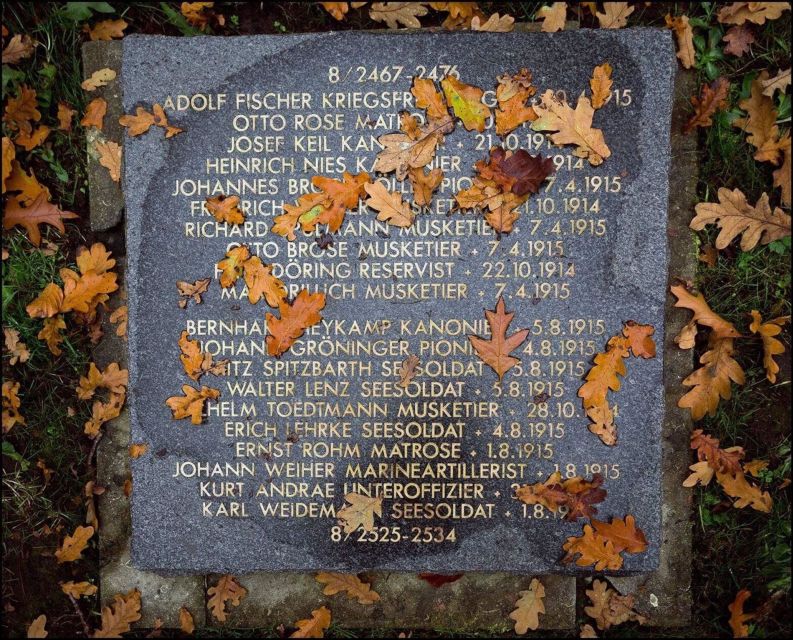
I especially love how the day stays focused on what happened and why, with stops like the German cemetery and trench areas that turn names in books into places you can stand in.
The other thing I really liked is the way the tour anchors the emotional story points, from the Brooding Soldier moment to the Canadian connection tied to Dr John McCrae. The one drawback to keep in mind is the pace, it is a 13-hour day, and you can feel it when you only get short museum time in Ypres.
In This Review
- Key highlights to look for
- A long day from Brussels with heavy emotional payoff
- From the German cemetery to trench areas, the story starts before you reach Ypres
- Brooding Soldier and Hill 60: the Canadian gas attack link and tunneling warfare
- Passchendaele battlefield: where the battle’s scale becomes real
- Essex Farm Cemetery and Dr John McCrae: the poem’s setting hits harder in person
- Ypres time: a quick hit in town plus museum entry
- Tyne Cot Cemetery: the largest Commonwealth cemetery for a reason
- Menin Gate at 8 p.m.: the Last Post ceremony is the emotional climax
- Price and value: what $107 is buying you, and what it is not
- Logistics that matter: meeting point, walking, and staying comfortable
- Who this tour suits best, and who should skip it
- Should you book this WWI day trip?
Key highlights to look for
- Passchendaele battlefield stop, practical walking time where you can connect the battle to the ground
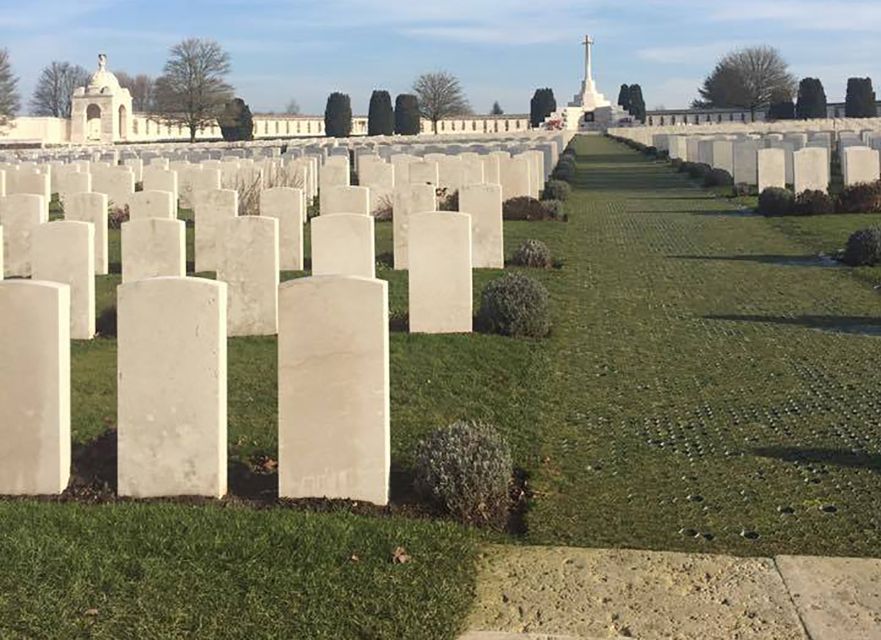
- Tyne Cot Cemetery, the largest Commonwealth cemetery, with a clear view of the scale of loss
- In Flanders Fields Museum entry, built around trench warfare storytelling in Ypres
- Brooding Soldier statue, a commemoration tied to the sacrifice of 2,000 Canadian soldiers during the first German gas attack
- Essex Farm cemetery and Dr John McCrae, the field-hospital setting behind In Flanders Fields
- Menin Gate at 8 p.m., the daily Last Post ceremony for soldiers missing after battle
Still weighing it up? Here is what else we have reviewed around Belgium.
- From IEPER Private 4-hour Tour of the Ypres Battlefield★ 5.0 · 154 reviews
- In Flanders Fields and Passchendaele Half Day Morning Tour★ 5.0 · 117 reviews
- Ypres: An exploration of the deadly salient battlefields★ 5.0 · 76 reviews
- From Brussels: Flanders Fields Remembrance Full-Day Trip★ 4.4 · 65 reviews
A long day from Brussels with heavy emotional payoff
This tour is built for people who want more than a quick photo stop. You start in Brussels, then spend most of the day in and around the WWI memorial landscape of Flanders. Expect lots of coach time between sites, because these locations are spread out, and the timing is designed to reach the Last Post ceremony at 8 p.m.
That structure matters. It means you do not just visit a cemetery and leave. You also get a guided explanation on the way through the lead-up to the war, plus context for each place you see. If you care about the timeline, unit stories, and how the front line shifted, the day feels like a single narrative, not a list of locations.
One practical reality: this is not a short trip, and it is not the kind of day for pacing breaks on your own. Bring comfortable shoes, and plan for a long stretch without many chances to reset.
From the German cemetery to trench areas, the story starts before you reach Ypres
Before you even get to the Ypres area, the tour sets the tone. You drive toward the Flanders Fields region while your guide explains what led to the First World War and how it unfolded. This is not just dates and generals. The tour is trying to give you the cause, then the consequences, so that later stops feel connected rather than random.
Along the way, there is a stop at a very moving German cemetery. Seeing it early is smart, because it reminds you this was not only about one side. Then you move toward areas linked with WWI trench lines. The guide also points you toward key features you might otherwise miss, like what trench digging was trying to achieve and why the front became so stubborn.
If you are the type who likes to read plaques slowly and ask questions, this part of the day sets up a helpful mindset. You will still feel the weight at the major sites later, but you will understand what you are looking at.
Brooding Soldier and Hill 60: the Canadian gas attack link and tunneling warfare
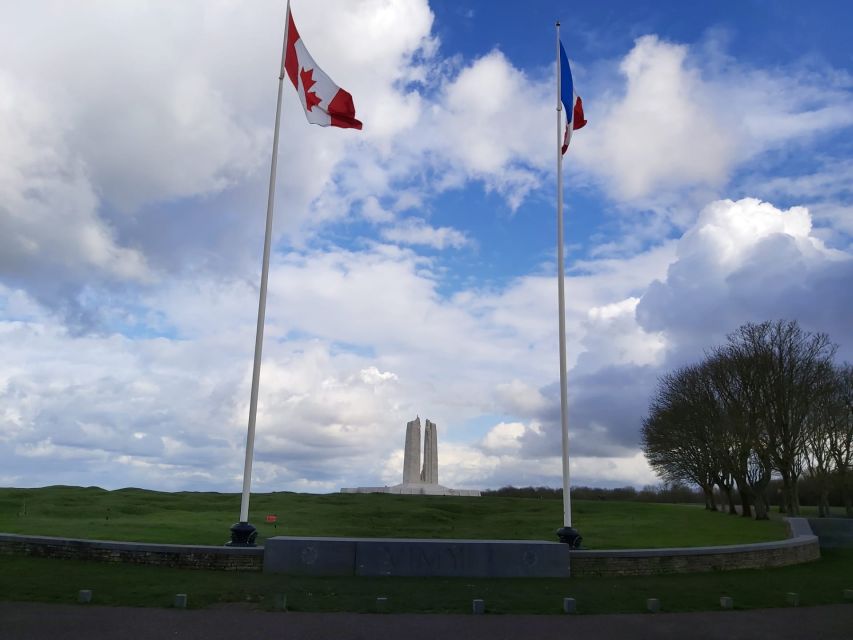
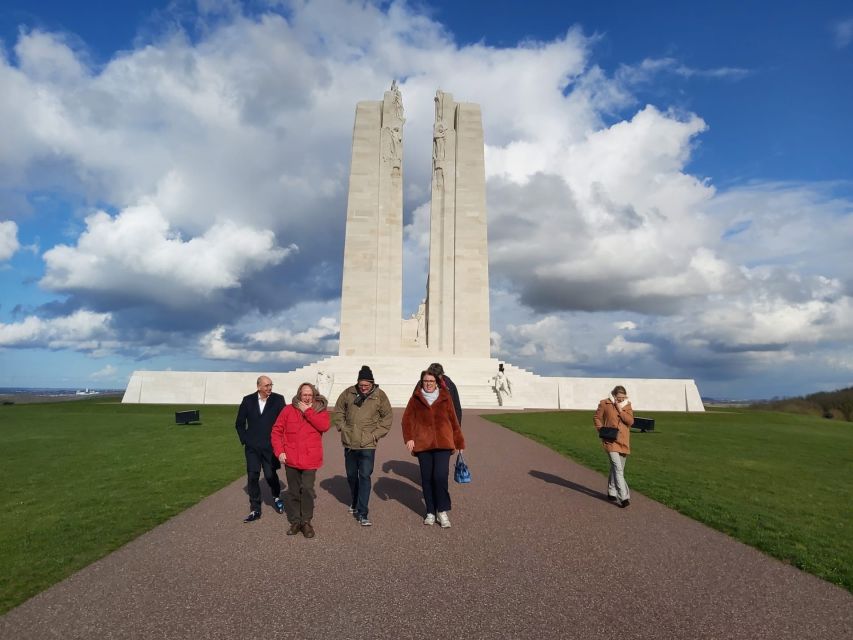
The emotional center of the day begins with the Monument of the Brooding Soldier. This statue is tied to the sacrifice of 2,000 Canadian soldiers during the first German gas attack. The tour includes a moment of commemoration there, which is usually the kind of stop that makes your phone feel like the wrong tool.
Right nearby is Hill 60, a place with a very specific kind of WWI story. Hill 60 was dug by tunnelling companies of the Royal Engineers before it fell into German hands. That detail is the point: trench warfare was not only trenches and rifles. It was also underground work, engineering, and an arms race that played out beneath the surface.
What I like about this combo is the balance. You get the memorial side first, then you get the “how” side, tunneling and battle tactics. If you want to make sense of why the war dragged on, these stops give you a clearer picture than a museum alone.
Passchendaele battlefield: where the battle’s scale becomes real
At Passchendaele (often spelled Passendale in tour wording), you visit the battlefield area. This is one of those stops where the guide’s explanations are crucial, because the ground does not look like a movie set. You have to learn how to read what is in front of you, including how the battle shaped the area and what soldiers faced.
The value here is that the tour does not treat Passchendaele as a generic stop. It fits it into the day’s overall arc, after you’ve already heard about leading up to the conflict, then seen the trench warfare context, then reached key memorial points. That order helps your brain organize what you are learning.
A note for time planning: Passchendaele is meaningful, but the day is still moving. Do not expect to wander endlessly. If you like slow, long time on outdoor sites, you may feel you could spend more time here.

Essex Farm Cemetery and Dr John McCrae: the poem’s setting hits harder in person
The tour then moves to Essex Farm Cemetery, linked to the field hospital where Dr John McCrae wrote the poem In Flanders Fields. This stop is powerful because it connects a famous text to the place that shaped it.
It is not just literary trivia. When you see the cemetery setting and hear the context, the poem becomes less like an entry in a school unit, more like a response to what the doctor and soldiers were living through.
This is also the kind of stop that works well even if you are not a dedicated WWI reader. The moment is straightforward and anchored in a concrete location, which makes it easy to connect emotionally.
Ypres time: a quick hit in town plus museum entry
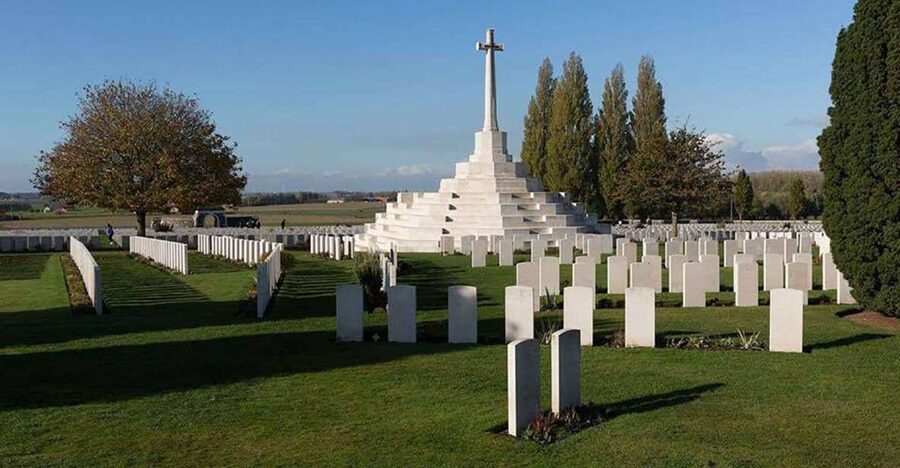
Once you reach Ypres, you get about 1 hour to visit. This is enough to get your bearings, grab a snack, and walk around a little. It is not enough to do everything in town, but the tour is clear about its priorities: you are here mainly to reach the major WWI sites and then the evening ceremony.
The big museum stop is In Flanders Fields Museum, and it is included. The tour uses the museum time to share touching stories behind four years of trench warfare. That helps you understand what you saw outside, especially if you came in knowing the basics but not the details.
One thing to plan around: museum time can feel short. In particular, some people feel they would have liked more time to take in all exhibits. If you are the type who reads everything on the wall, you will want to pace yourself fast and pick what matters most to you.
Tyne Cot Cemetery: the largest Commonwealth cemetery for a reason
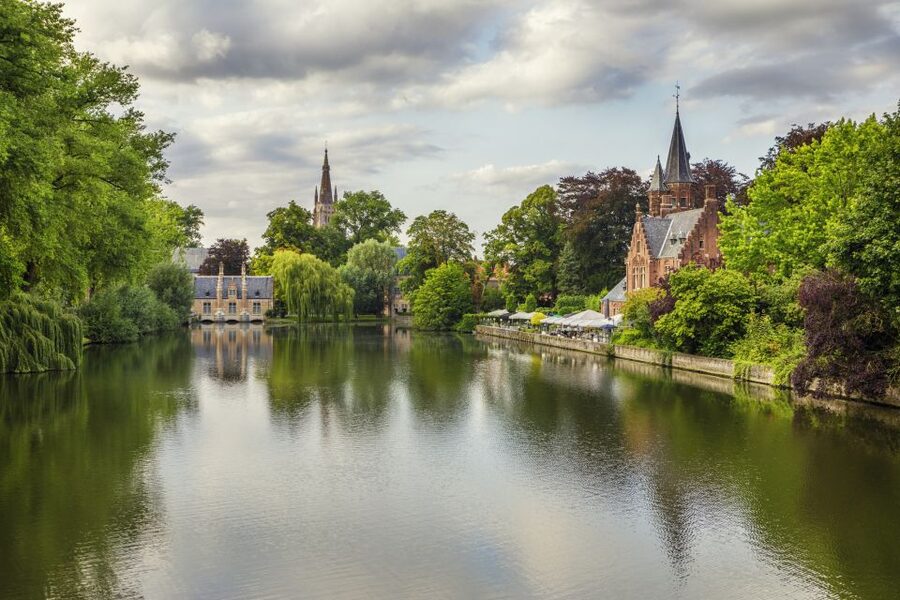
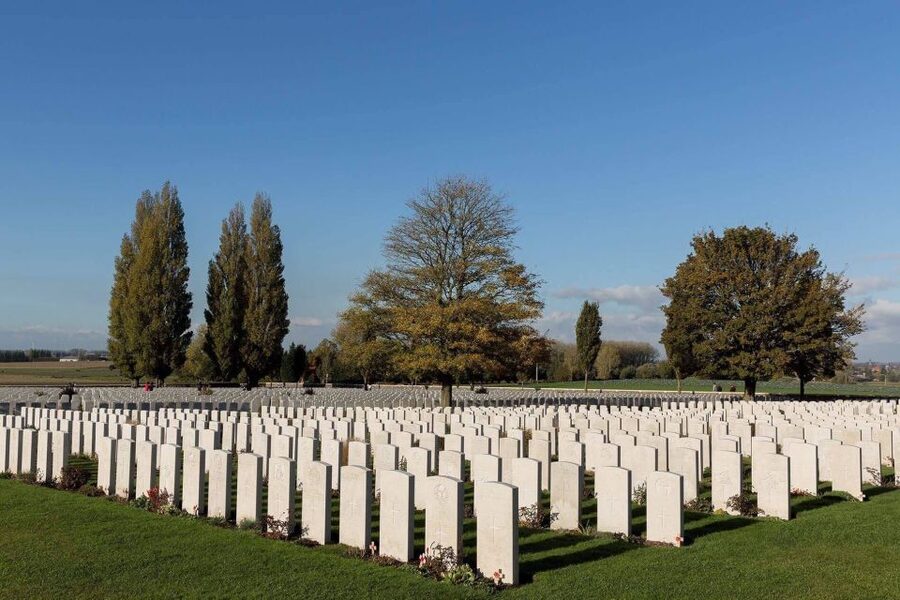
Next up is Tyne Cot Cemetery, described as the largest Commonwealth cemetery in the world. You can see the scale of commemoration here, and it is easy to understand why this is a must-do. The tour frames it as the resting place for British, Irish, Australian and Canadian soldiers.
What makes Tyne Cot so effective on a guided day is that you do not just get the “big cemetery” box checked. You also get help holding onto what it represents, including how Commonwealth forces are remembered across the battlefields.
If you think you will feel overwhelmed, you will probably be right. But that does not mean it is too much. It often means the day is doing its job, turning history into something you feel in your chest, then leaving you with a clearer sense of scale.
Menin Gate at 8 p.m.: the Last Post ceremony is the emotional climax
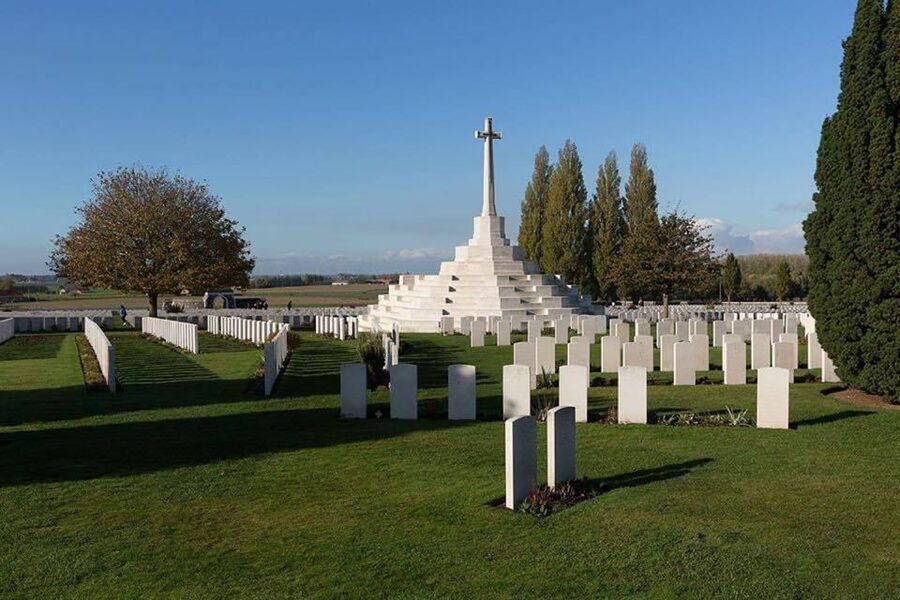
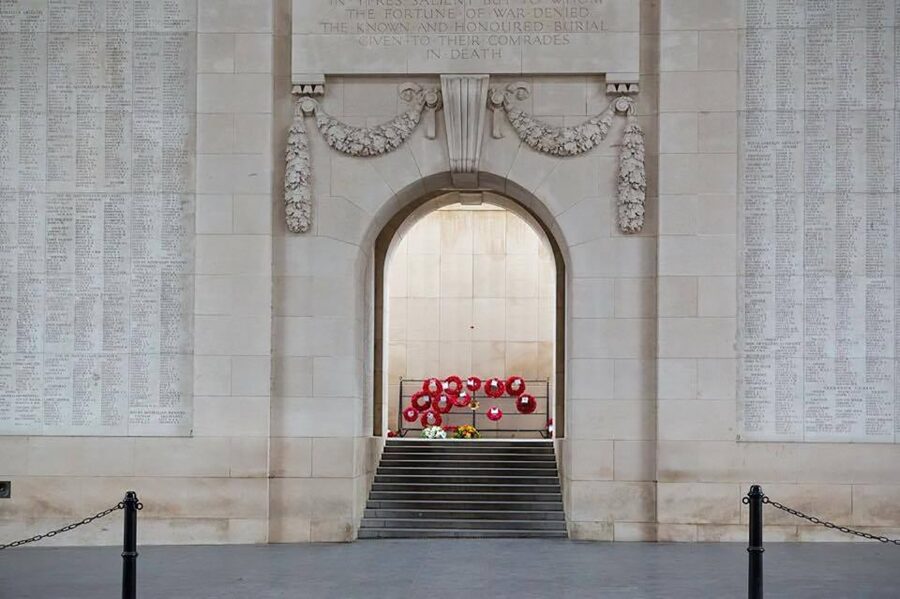
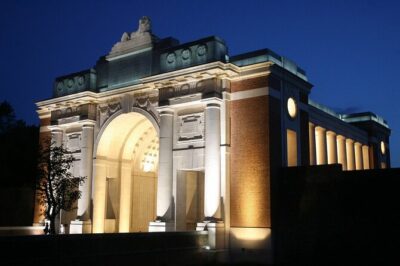
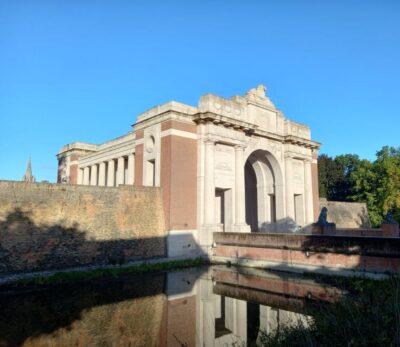
The tour ends with the Last Post Ceremony at Menin Gate at 8 p.m. This daily tribute is for Commonwealth soldiers and officers missing after battle. It is simple in format, which is part of why it hits so hard.
What I like about ending here is the arc. You started with explanation, moved through cemeteries and trench-linked locations, and then you finish with a ritual. It is the kind of moment that makes the entire day feel coherent, because you are not only seeing what was lost, you are also seeing how people continue to remember.
For planning your body: this part of the day can feel cold and long, depending on weather. Stand where you can see properly, and keep moving slowly as the crowd shifts.
Price and value: what $107 is buying you, and what it is not
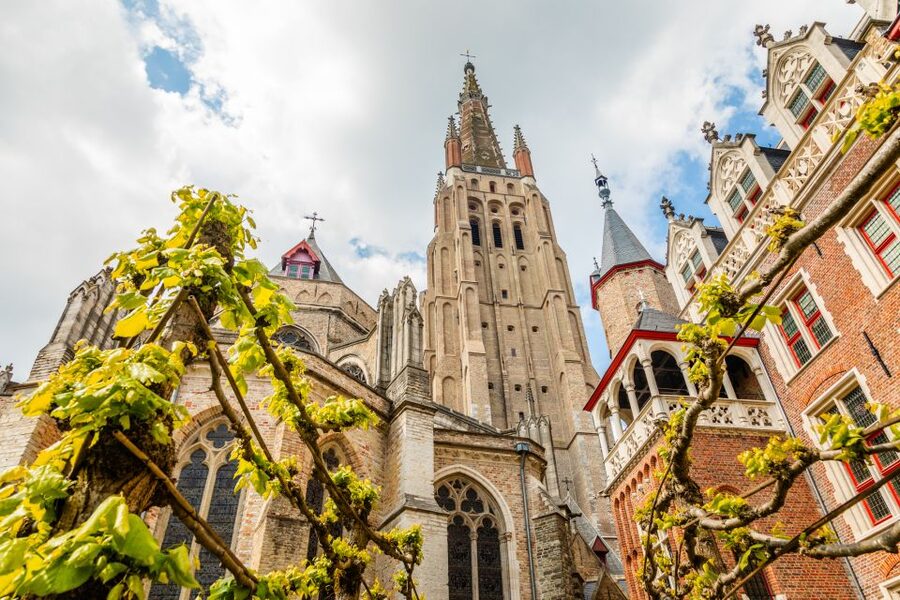
At $107 per person, this tour is not a budget outing, but it is also not overpriced for what you get. You are paying for:
- a professional guide who ties the sites into one story
- roundtrip coach from Brussels
- museum entrance to In Flanders Fields Museum
- an itinerary built to reach the 8 p.m. Last Post in time
What you are not paying for is flexibility. There is limited free time, and the day is tightly scheduled around major stops. Also, there is no hotel pickup or drop-off included, so you will need to get yourself to the meeting point and back.
If you want maximum “do it yourself” wandering, this may feel restrictive. If you want structure, meaning, and a guide to help you understand what you are seeing, the price starts to feel more reasonable.
Logistics that matter: meeting point, walking, and staying comfortable
You meet at the Keolis coach outside the National Bank of Belgium, looking for staff at the start point on Bd de Berlaimont 18. The tour ends back in Brussels, with Central Station listed as the finish point.
The walking is mostly outdoors and on uneven memorial grounds. You should wear comfortable shoes and expect you will be standing for parts of the day. The tour is not recommended for limited mobility, and it is not suitable for wheelchair users, so plan accordingly.
Also, this is a long day with multiple transfers. Even if you like history, your energy needs breaks. If your ideal day includes long pauses for cafes and museums, you might want to add extra time in Ypres on a separate trip.
Who this tour suits best, and who should skip it
This trip is ideal if you fit one of these profiles:
- You are a WWI history fan who wants a guided route across Passchendaele, Tyne Cot, Essex Farm, and Menin Gate
- You want a day that mixes memorials with trench context, not just one or the other
- You like ceremonies and want to experience the Last Post in person
You might choose something else if:
- You need lots of museum time or long free wandering in Ypres
- You require wheelchair access or have limited mobility
- You dislike very long days with minimal downtime
Should you book this WWI day trip?
I think you should book it if your goal is a structured WWI pilgrimage from Brussels, with major sites in the right order and a guide who explains the connections between them. The standout moments are the Brooding Soldier commemoration, the Canadian link at Essex Farm, the scale of Tyne Cot, and the evening Last Post at Menin Gate.
I would hesitate only if you strongly prefer slow, independent exploring, or if the long day and limited time in Ypres museum space will feel too tight. If you can handle a packed schedule, this is the kind of day that tends to stay with you for a long time.
Flanders Fields and the Ypres Salient
Newer Belgium reviews from the same corner of the country
- Discover Tournai while playing! Escape game – The alchemist
★ 4.0 · 3 reviews - PRIVATE Australian Western Front Battlefields 3-Day Tour Ypres to Amiens
★ 5.0 · 3 reviews - From LIlle or Bruges, Christmas Truce to Passchendaele Ypres 1 day WW1 private
★ 5.0 · 5 reviews - From Ypres 4hr Christmas Truce and Monster Mines of Messines PRIVATE Tour
★ 5.0 · 5 reviews - e-Scavenger hunt Ypres: Explore the city at your own pace
★ 4.5 · 6 reviews
Brussels Tours, side by side.
 ★ 4.4Brussels: Atomium Entry Ticket with Design Museum TicketFrom $199,254 reviews
 ★ 4.6From Brussels: Guided Day Trip to Bruges and GhentFrom $558,353 reviews
 ★ 4.7From Brussels: Bruges & Ghent Day Tour – 2 Fairytale CitiesFrom $578,242 reviews
 ★ 4.3Choco-Story Brussels: Chocolate Museum Entrance with TastingFrom $184,883 reviews
 ★ 4.0Bruges and Ghent – Belgium’s Fairytale Cities – from BrusselsFrom $594,809 reviews
 ★ 4.0Brussels: Hop-On Hop-Off Bus TourFrom $294,016 reviews
 ★ 4.5Brussels: Entry Ticket to Mini-EuropeFrom $232,870 reviews
 ★ 5.0Hungry Mary’s Famous Beer and Chocolate Tour in BrusselsFrom $1192,258 reviews
Browse the lists this tour appears in