
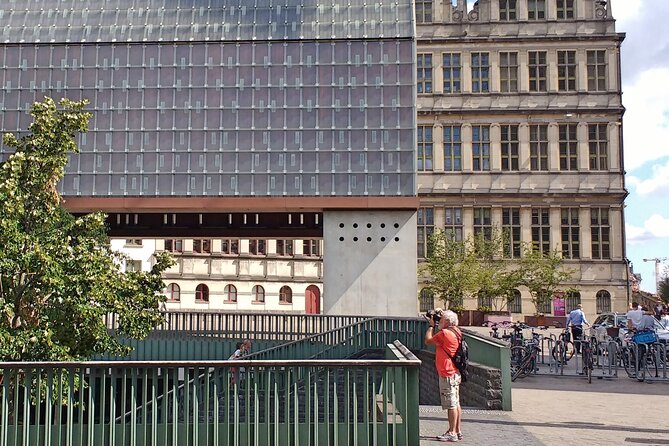
REVIEW · GHENT
Ghent Walking Tour – City Highlights and Beyond Tradition
Ghent clicks into focus fast on foot. I love the small-group pace and the guide stories that tie together medieval squares and today’s streets. You’ll also get to see the Vrijdagmarkt area and major landmarks without spending time trying to map it all alone. One consideration: this is real walking, you should be able to cover at least 5 km and keep up with the group tempo.
This is built for people who want structure without losing the fun. With a local guide and a cap of 10 people, it feels easy to ask questions and adjust along the way, including photo stops. In a recent group experience, the guide Sophie even reached out right after booking to ask about children, then tailored the plan so families could keep going comfortably.
In This Review
- Key takeaways before you go
- What this Ghent walking tour gets you fast
- Starting at Vrijdagmarkt and the Artevelde statue scene
- Gravensteen plus Patershol, medieval castle stories in real streets
- The Ghent Belfry and the tower cluster at once
- Graslei and Korenlei quays, where medieval trade meets today’s dining
- Why the route feels personal with only up to 10 people
- Walking pace, shoes, and kids keeping up
- Price and value: is $67.10 worth 1.5 hours of guided sights?
- Mobile ticket, where you start, and where you might finish
- Should you book this Ghent walking tour?
- FAQ
- How long is the Ghent Walking Tour?
- How much does the tour cost?
- Where does the tour start?
- How big is the group?
- Do I need to pay for tickets at stops?
- What should I do about walking distance and footwear?
- Is transport included?
- What if I cancel?
Key takeaways before you go
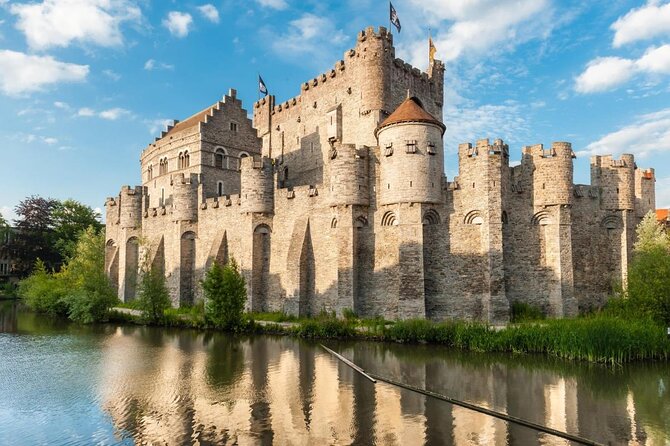
- Small group, big attention with a maximum of 10 people, so the guide can respond to what your group likes.
- A plan you can follow without getting stuck with maps, from Vrijdagmarkt toward the center landmarks.
- Stories at the sights not just photo stops, with explanations that connect places like Gravensteen and the tower cluster.
- Quays with medieval trade energy at Graslei and Korenlei, now lined with cafes and restaurants.
- Time-saving route coverage in about 1 hour 30 minutes to 1 hour 45 minutes, built for orientation.
- You must walk well since the route requires at least 5 km, with the pace set to the slowest adult.
Ghent keeps going, and so do we
- Ghent: 50-Minute Medieval Center Guided Boat Trip★ 4.5 · 5,637 reviews
- Historical Walking Tour: Legends of Gent★ 5.0 · 1,761 reviews
- Ghent: 40 Minute Medieval Center Guided Boat Tour★ 4.4 · 884 reviews
- Evening Tour of the Dark Side of Gent★ 5.0 · 646 reviews
What this Ghent walking tour gets you fast
If Ghent is new to you, this kind of guided walk is the fastest way to stop feeling lost. You get a guided route that hits core highlights, plus side streets where the city shows a different face than the postcards.
I also like the balance here: you’re not only staring at big-ticket sights. The plan includes street art, popular landmarks, and off-the-beaten-track corners locals actually seem to enjoy, so your brain keeps getting fresh reference points.
The guide also has room to adapt to the group’s interests. That matters in a place where people show up wanting different things, medieval buildings, city scenes, or simply learning how Ghent grew and functioned.
Starting at Vrijdagmarkt and the Artevelde statue scene
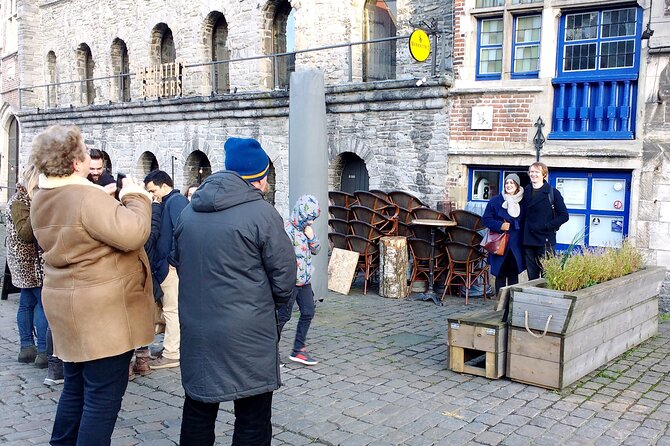
You begin at Vrijdagmarkt near the Artevelde statue. This is a historical square with notable houses, and it’s a smart starting point because it immediately gives you a sense of scale and style.
The guide starts with a short intro, then you move out from the square into surrounding streets. Expect a gentle ramp up, plus frequent photo breaks, so the walk doesn’t feel like a sprint.
Practical tip: if you want good photos, bring your phone camera ready early. Since the guide builds in photo stops, you’ll save yourself from guessing when to stop and where to stand.
Gravensteen plus Patershol, medieval castle stories in real streets
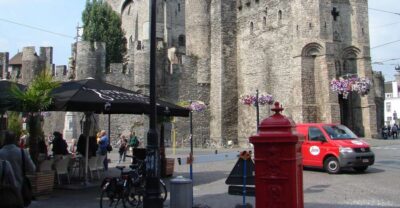
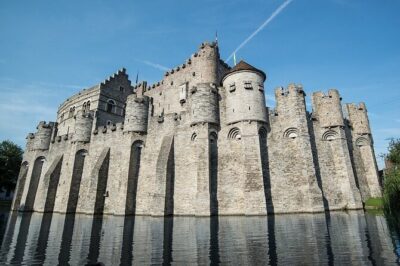
After Friday Market, you head toward the Castle of the Counts, known as Gravensteen. This medieval castle is a major landmark, and the guide focuses on the stories tied to it, plus what you can spot in the surrounding areas.
One reason this section works so well is that you don’t just see the castle as an isolated object. You also get to walk through nearby areas such as Patershol, which helps the castle feel like part of a living city rather than a distant monument.
The tradeoff is simple: this is a walking tour, so you’ll want comfortable footwear and a steady pace. If you tire easily, you might feel the distance more here than you expect, since the total route is built around covering at least 5 km.
The Ghent Belfry and the tower cluster at once
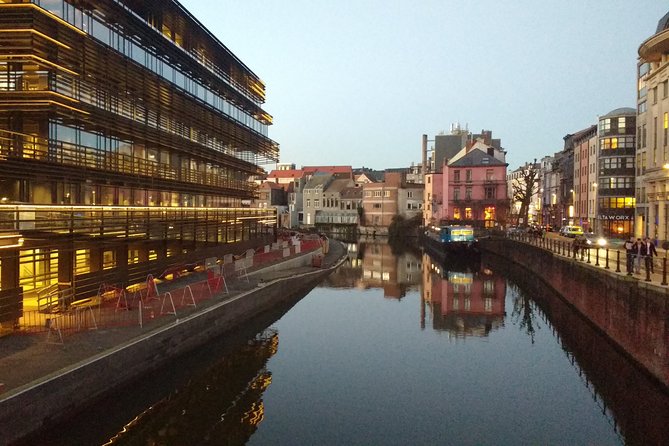
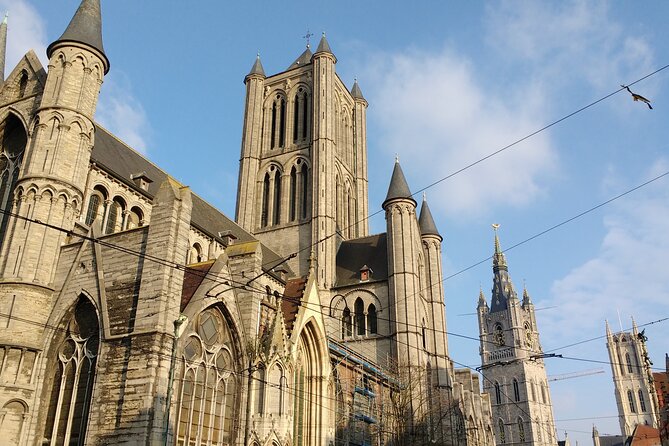
Next up is the Ghent Belfry, described as one of the oldest in Belgium. This is where the walk starts to feel extra efficient, because you get a view of several medieval towers in one go.
As you move through this area, you’ll see the Saint Nicolas Church, the Belfry, and the Saint Bavo Cathedral together. That three-tower moment is exactly the kind of sight you want in a guided route, because it’s easy to miss the connections if you’re wandering alone.
I like how the guide frames this section: instead of treating each building as a separate stop, you get the idea of why these medieval towers matter to Ghent as a city.
Belgium reads best on foot, here is more of it
Graslei and Korenlei quays, where medieval trade meets today’s dining
The walk’s final big highlight is Graslei and Korenlei, Ghent’s most popular quays. The key context the guide provides is that this is where trade took place in medieval times, and you can still feel that history in how the quays functioned.
Now, the atmosphere has shifted. These quays are a hotspot for cafes and restaurants, which means you’re not only seeing a historic waterfront concept, you’re also seeing it in current city life.
A useful mindset here: take a few minutes to look at the entire quay line rather than only one spot. With a guide pointing things out along the way, it becomes easier to connect the medieval purpose of the place to what you see today.
Why the route feels personal with only up to 10 people
The group size is capped at 10 people, and that changes the whole experience. You spend less time waiting, and you get more attention when you want details or clarification.
The tour can be adapted to suit the interests of your group. That flexibility shows up in how the guide chooses what to emphasize during the walk, especially when people have different priorities, architecture, city storytelling, or street-level sights like street art.
In one family-focused experience, Sophie took initiative after booking to ask about children and whether they could keep up. That kind of communication is a big deal because it prevents the common problem where the guide has to adjust mid-walk while everyone is already stretched out.
Walking pace, shoes, and kids keeping up
This tour is for people with moderate physical fitness, and you should be ready for a sustained walk. There’s a clear expectation that you can handle at least 5 km.
If children join, they need to keep up with the walking pace of the slowest adult. If that doesn’t work, the operator asks you to reach out about private options, which is a sensible solution if you want the same kind of guided storytelling but with a pace that fits your group better.
My practical advice: wear shoes you can walk in comfortably for a while, not just for an hour. Also plan your energy so you’re not rushing your way through the last stretch. The tour is short overall, so any slow-down you can avoid helps everyone enjoy the sights more.
Price and value: is $67.10 worth 1.5 hours of guided sights?
At $67.10 per person, this isn’t a bargain-basement activity. But it also isn’t trying to be a full-day tour, and the structure is built around value: a local guide, a focused route, and careful planning so you don’t waste time figuring out where to go.
For me, the best value signals are:
- Small group size (max 10), which usually means less crowd noise and more interaction.
- A route that includes major Ghent landmarks plus additional streets and street art, so you get more than a checklist.
- A duration of about 1 hour 30 minutes to 1 hour 45 minutes, which is long enough to learn how the city fits together without swallowing your whole day.
One more point: the tour includes sightseeing and historical landmarks, plus the behind-the-scenes work. That matters because you get a guided, connected flow instead of bouncing from one spot to another and hoping it all makes sense.
The main cost consideration is that transport isn’t included. If you’re starting and ending in different parts of the city, you’ll want to plan your own way back, either on foot or by bus or tram.
Mobile ticket, where you start, and where you might finish
You’ll use a mobile ticket. If you’re the type who likes to keep things simple, that’s a win, because you’re not managing paper confirmations.
The start is clearly set at Vrijdagmarkt, 9000 Gent, Belgium. The tour ends in Ghent, but it may end on a different side of the city than where you started. The good news: you can walk back, or use a bus or tram if you prefer.
Also note that it’s near public transportation. So if your schedule is tight, you’re not locked into a route that leaves you stranded far from transit.
Should you book this Ghent walking tour?
Book it if you want a straightforward way to get your bearings in Ghent and you like learning as you walk. The combination of major landmarks (Gravensteen, the Belfry area, and the quays) plus side streets and street art is exactly the kind of mix that helps you explore more confidently after the tour ends.
Skip it or consider a private option if walking 5 km at a steady pace is hard for your group. Also think twice if you need a flexible stop-and-go style, because the pace is tied to keeping up with the slowest adult.
If you’re coming in with a short amount of time and want a guide who can adjust, this one is a strong pick.
FAQ
How long is the Ghent Walking Tour?
It runs about 1 hour 30 minutes to 1 hour 45 minutes.
How much does the tour cost?
The price is $67.10 per person.
Where does the tour start?
It starts at Vrijdagmarkt, 9000 Gent, Belgium.
How big is the group?
The tour has a maximum of 10 travelers.
Do I need to pay for tickets at stops?
The tour notes that the Vrijdagmarkt stop has free admission (a ticket is not required for that stop).
What should I do about walking distance and footwear?
You should be able to walk at least 5 km. Wear good walking shoes, and plan for a moderate walking pace.
Is transport included?
No, transport is not included. The tour may end on a different side of the city, so you may need to walk back or take a bus or tram.
What if I cancel?
This experience is non-refundable and cannot be changed for any reason.
More Belgian Tours
Every Belgium Review
Ghent, Continued
Newer Belgium reviews from the same corner of the country
- Ghent Walking Tour – City Highlights and Beyond Tradition
★ 4.5 · 3 reviews - Ghent: City Walk with Audio Guide in 7 Languages on your Phone
★ 4.5 · 3 reviews - Children’s escape game in the city of Ghent Marsupilami
★ 5.0 · 3 reviews - Ghent Running and Sightseeing Tour
★ 5.0 · 3 reviews - Ghent: Walking Tour from Friday Market to the Cathedral
★ 4.8 · 3 reviews
Ghent Tours, side by side.
 ★ 4.6From Brussels: Guided Day Trip to Bruges and GhentFrom $558,353 reviews
 ★ 4.7From Brussels: Bruges & Ghent Day Tour – 2 Fairytale CitiesFrom $578,242 reviews
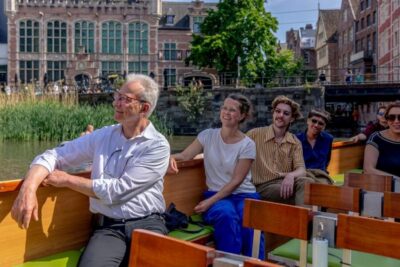 ★ 4.5Ghent: 50-Minute Medieval Center Guided Boat TripFrom $125,637 reviews
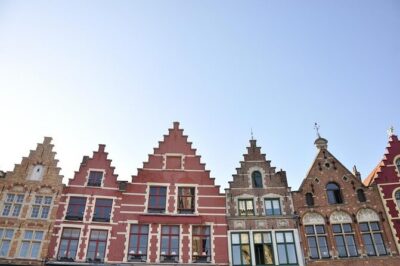 ★ 4.0Bruges and Ghent – Belgium’s Fairytale Cities – from BrusselsFrom $594,809 reviews
 ★ 5.0Historical Walking Tour: Legends of GentFrom $31,761 reviews
 ★ 4.6From Brussels: Full-Day Antwerp and Ghent Guided TourFrom $571,019 reviews
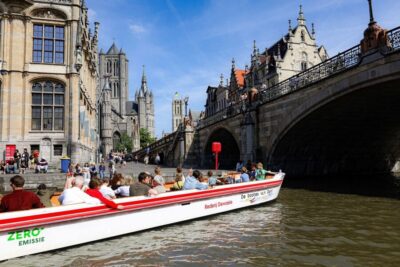 ★ 4.4Ghent: 40 Minute Medieval Center Guided Boat TourFrom $12884 reviews
 ★ 4.5Bruges and Ghent Day Trip from BrusselsFrom $56784 reviews
Browse the lists this tour appears in